
Jeonju-si (Jeonju) Travel Guide (2026)
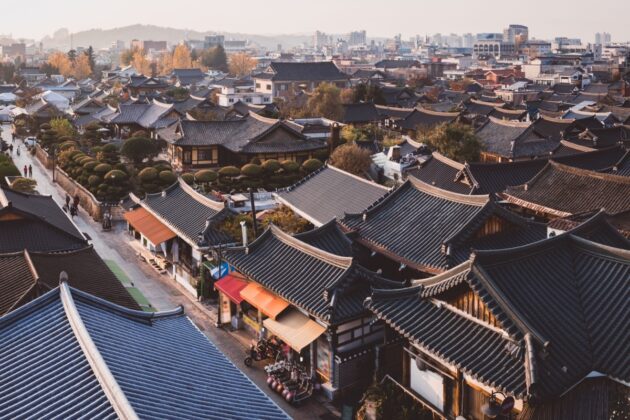
Jeonju, the capital of Jeollabuk-do (North Jeolla Province), is one of South Korea’s most charming cities. It blends rich Joseon Dynasty history, traditional culture, and exceptional food. Famous as the birthplace of bibimbap and home to Korea’s largest traditional hanok village (a UNESCO Creative City of Gastronomy), it offers a relaxed, “Slow City” atmosphere ideal for escaping Seoul’s pace. With over 700-800 preserved hanok (traditional Korean houses), picturesque streets, shrines, and vibrant food scenes, Jeonju is perfect for 1-3 days of cultural immersion, photography, and culinary delights.
How to Get There
From Seoul: The easiest and fastest option is the KTX high-speed train (about 1.5–2 hours, ~₩30,000–85,000). Trains depart from Seoul Station, Yongsan, or Suseo. Buses from Dong Seoul or Central City Terminal take ~2.5–3 hours and are cheaper.
From Incheon Airport: Direct limousine buses or KTX via Seoul.
Local Transport: Jeonju is walkable, especially the Hanok Village. Use taxis, local buses, or rent a bicycle (Kkotsingi public bikes). Many attractions cluster in the central historic area.
Top Attractions
Jeonju Hanok Village (전주한옥마을)
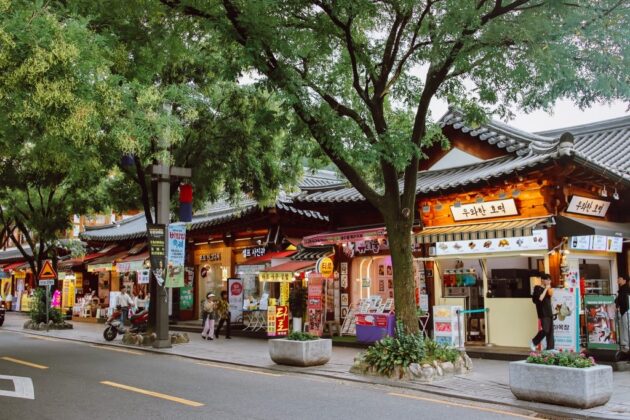
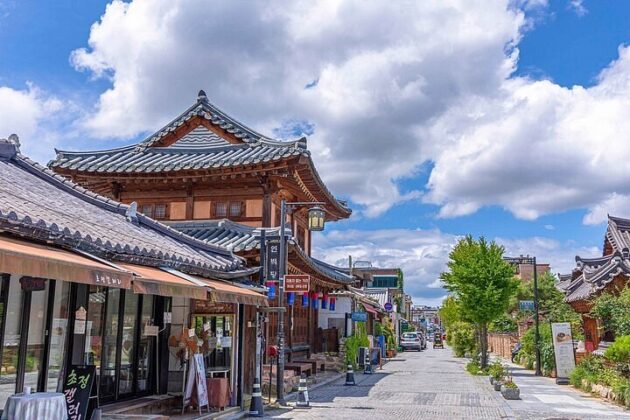
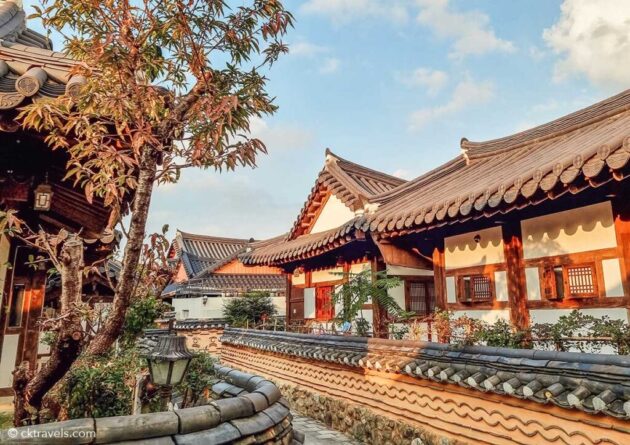
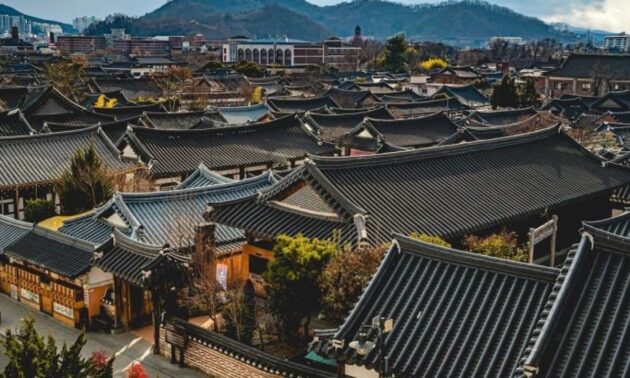
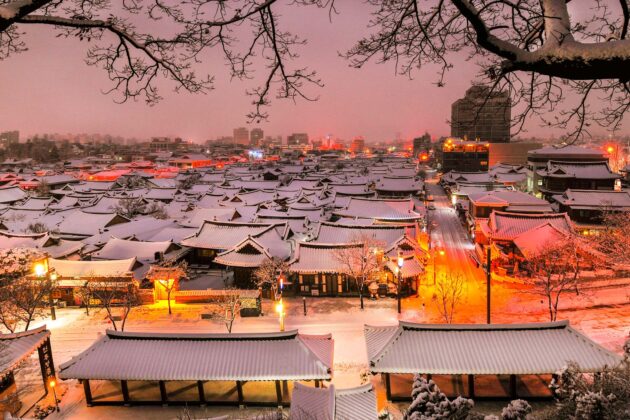
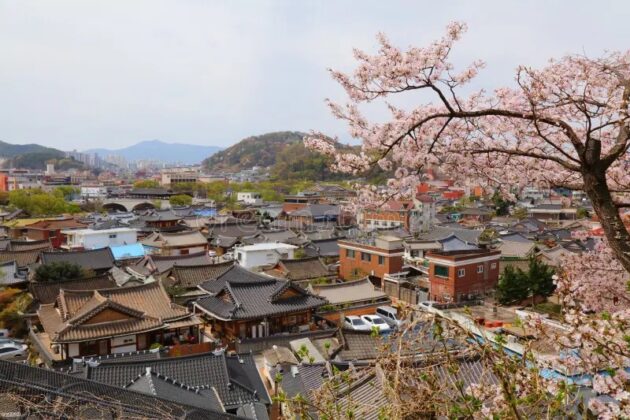
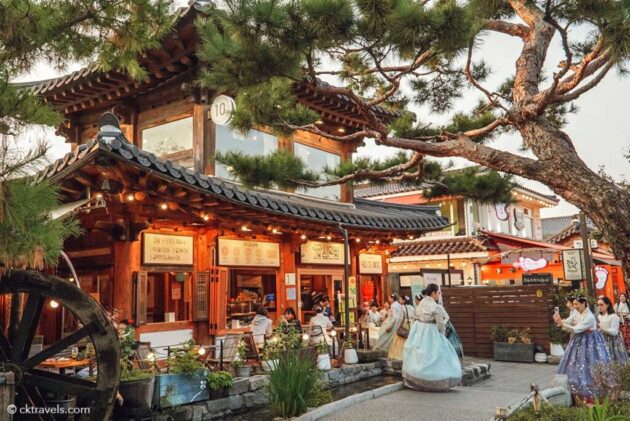
The star attraction: Korea’s largest and most vibrant urban hanok village. Wander cobblestone alleys lined with traditional tiled-roof houses, cafes, shops, and guesthouses. It feels alive and photogenic, with a nice contrast to surrounding modern buildings. Best explored on foot—get lost in side streets.

Food: A Gastronomic Heaven
Jeonju is a must for foodies. Signature dishes include Jeonju bibimbap (rice with colorful toppings, often in a brass bowl or hot stone pot, with beef, sprouts, and gochujang).
Must-Try Spots:
Hankookjib (한국집): Historic, Michelin-mentioned spot for authentic bibimbap (generous banchan sides).
Gajok Hoegwan (가족회관) or Gogung: Popular, reliable bibimbap.
Other specialties: Kongnamul gukbap (bean sprout soup), makgeolli (rice wine), street snacks, and PNB Choco Pies (local cream/jam-filled treats).
Explore traditional markets like Nambu Market for local flavors. Many restaurants cluster in the Hanok Village.
Where to Stay
Stay in a hanok guesthouse for the full experience—sleep on ondol (heated floors), enjoy traditional architecture, and wake up in the village. Options range from budget to boutique. Book ahead, especially weekends. Modern hotels are available outside the village for convenience.
Suggested Itinerary
Day Trip (from Seoul): Morning train → Hanok Village wander + viewpoints → Bibimbap lunch → Shrine & key spots → Evening return.
2-3 Days: Day 1: Village exploration, hanbok, views. Day 2: Deeper history (shrines, museums), food tour, Jaman Mural. Day 3: Nature/arboretum or relaxed cafes. Time your visit for festivals like the Jeonju International Film Festival or seasonal events (cherry blossoms, autumn leaves).
Practical Tips
Best Time: Spring (flowers) or autumn (foliage). Summers are hot/humid; winters cold but magical with possible snow.
Language & Apps: English is limited outside tourist areas—use translation apps. KakaoMap or Naver Map for navigation.
Crowds: Popular with locals and tourists; visit early mornings or weekdays for fewer crowds.
Costs: Affordable. Meals ~₩10,000+, hanok stay varies, attractions cheap/free.
Respect: Quiet in residential areas like mural villages. Support local businesses.
Official Resources: Visit the official tourism site for maps and updates.
Final Thoughts
Jeonju perfectly captures Korea’s traditional soul with warm hospitality and delicious food. Whether for a quick cultural hit or a leisurely escape, it leaves a lasting impression. Safe travels!