
Jeonju Hanok Village Travel Guide (2026)
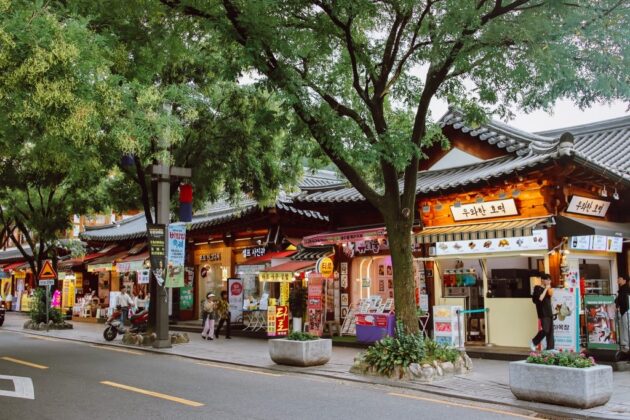
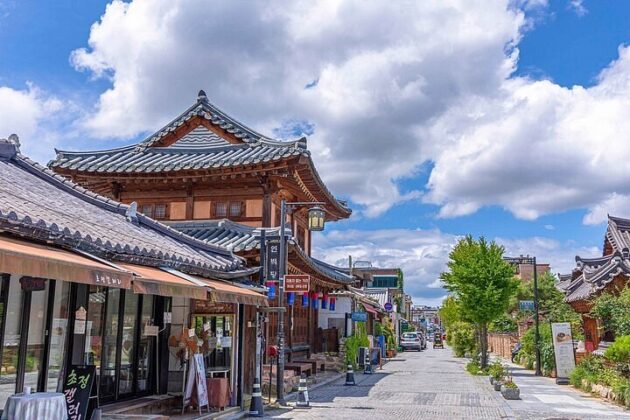
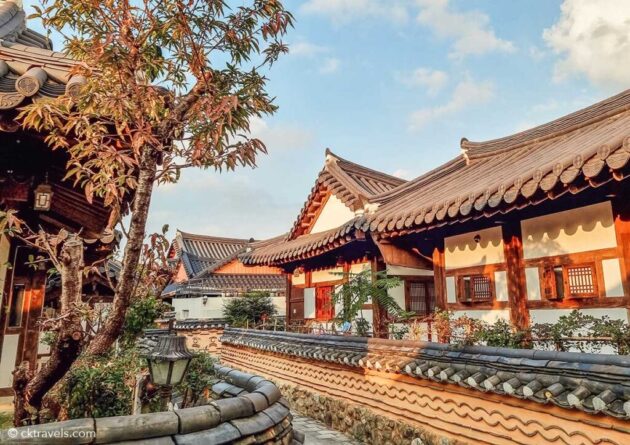
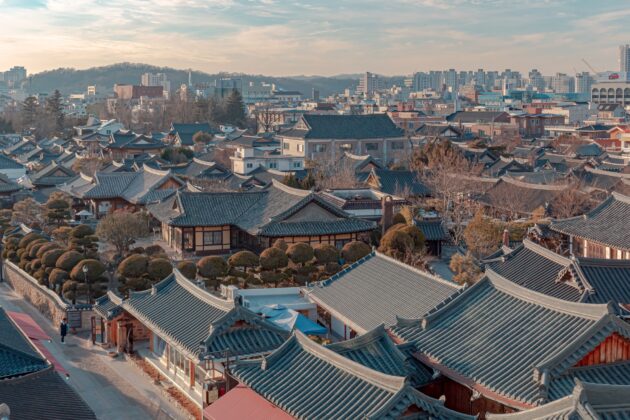
Jeonju Hanok Village is South Korea’s largest and most vibrant traditional hanok village, featuring over 700–800 well-preserved traditional Korean houses (hanoks) in an urban setting. It blends historical charm with modern amenities like cafes, shops, restaurants, and guesthouses. As the birthplace of the Joseon Dynasty and a UNESCO City of Gastronomy, it stands out for its rich heritage, delicious food (especially Jeonju bibimbap), and photogenic streets.
Why Visit Jeonju Hanok Village?
Stroll through narrow alleys lined with tiled-roof hanoks, many converted into guesthouses, teahouses, and shops.
Experience Korean culture through hanbok rentals, traditional performances, and hands-on activities.
Enjoy world-class food in a city known for its culinary heritage.
It offers a relaxed contrast to bustling Seoul or Busan, ideal for a day trip or overnight stay.
Best Time to Visit
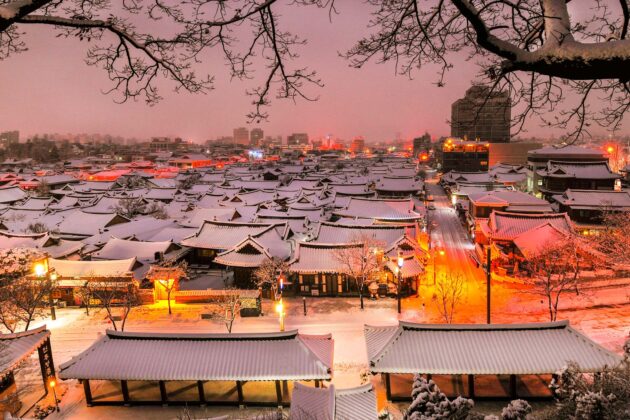
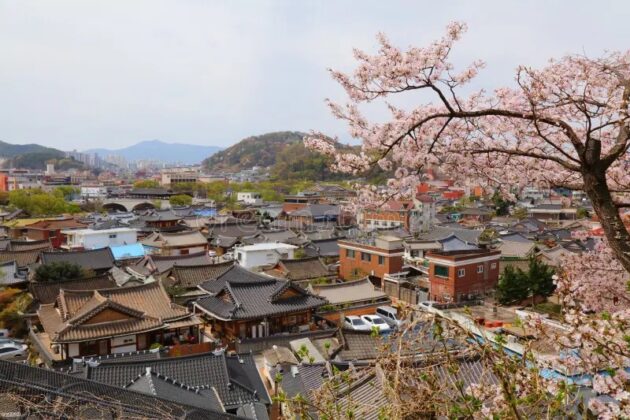
Spring (March–May) and autumn (September–November) are ideal, with mild weather, beautiful blossoms or colorful foliage, and fewer extreme crowds. Summers can be hot and humid, while winters are cold but magical with possible snow on the rooftops. Weekdays are less crowded than weekends.
How to Get There
From Seoul: Take the KTX high-speed train (about 1.5–2 hours) to Jeonju Station. Taxis to the village take 10–15 minutes. Buses from Seoul or other cities are also convenient and affordable (around 2–3 hours).
Local Transport: From Jeonju Station, take a taxi (quickest) or local buses (e.g., routes 101, 111, or 79). The village is walkable once you arrive.
Address/Reference: 99 Girin-daero, Wansan-gu, Jeonju-si (open 24/7, free public access).
Top Things to Do
Wander the Hanok Streets — Explore the maze of alleys, admire traditional architecture, street art, gardens, and hidden corners. Look for information boards on historic houses.
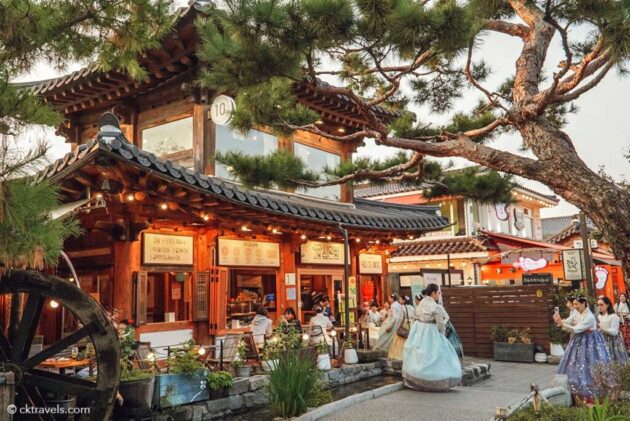
Rent a Hanbok — Dress in traditional Korean attire for photos. Shops are everywhere; it’s one of the most popular activities and enhances the immersive feel.
Visit Gyeonggijeon Shrine — A key historic site (small entry fee) housing a portrait of King Taejo (founder of the Joseon Dynasty). Peaceful grounds with pavilions and trees.
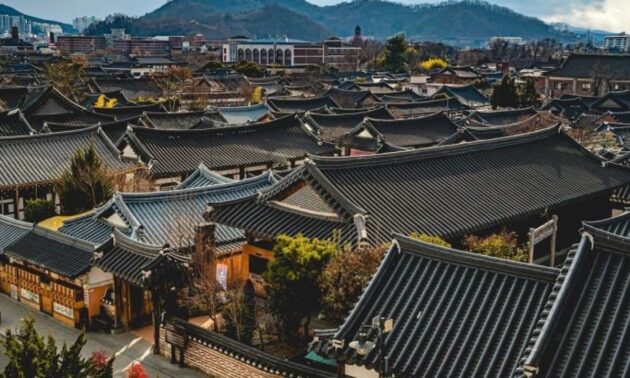
Climb to Omokdae and Viewpoints — Hike up for panoramic views over the hanok rooftops. Follow the Hanok Village Route (울레길) for observation decks. Best at sunset or with lights at night.
Explore Nearby Sights: Jeonju Hyanggyo (Confucian school). Jeondong Catholic Church (stunning architecture nearby). Museums and experience centers (e.g., fan museum, traditional crafts).
Join a Free Walking Tour — Available in multiple languages; great for history and context.
Night Walks — The village lights up beautifully after dark, offering a quieter, romantic atmosphere.
Food Highlights (Don’t Miss These!)
Jeonju is a food paradise:
Jeonju Bibimbap — The city’s signature dish. Try it at legendary spots like Hankookjib (Michelin-listed).
Street food, kongnamul gukbap, ddeokgalbi (grilled short ribs), and local specialties.
Cafes and teahouses in hanoks for a cozy break.
Visit traditional markets like Nambu Market for more options.
Where to Stay
Hanok Guesthouses — Highly recommended for an authentic experience (ondol floor heating, courtyards). Book in advance, especially popular ones. Prices vary but can be reasonable compared to Seoul.
Modern hotels nearby if you prefer Western-style comfort (some travelers note hanok floors can be firm on the back).
Practical Tips
Wear Comfortable Shoes — Lots of walking on uneven paths.
Crowds — Popular with Korean tourists and Instagrammers; go early or late for fewer people.
Language — English is limited outside main spots; use translation apps or join tours.
Money & Amenities — ATMs, convenience stores, and facilities are available in/around the village.
Day Trip vs. Overnight — Doable as a day trip from Seoul, but staying overnight lets you enjoy the evening vibe and slower pace.
Tours — Consider guided day tours from Seoul for hassle-free visits.
Final Thoughts
Jeonju Hanok Village perfectly captures Korea’s traditional soul while remaining lively and accessible. Whether you come for the photos, the food, the history, or a peaceful escape, it’s a memorable addition to any South Korea itinerary. Safe travels!