
Mobile Travel Guide (2026)
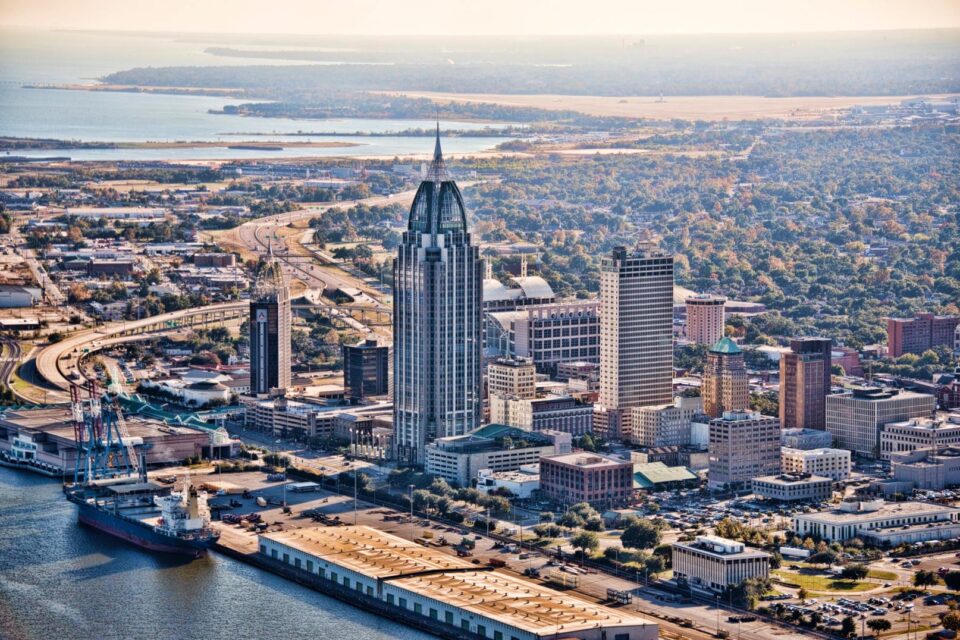
Mobile is the Gulf Coast city that runs on water and celebration: the birthplace of American Mardi Gras, a port with nearly 325 years of continuous settlement, and the gateway to some of the Gulf’s best seafood. The city’s core experience is a walk through its downtown — seven National Register historic districts with live oaks and front porches, Gulf-to-table seafood in the Dauphin Street dining district, and the USS Alabama battleship guarding the waterfront. Mobile’s personality is coastal and unhurried: you come for the harbor, the architecture, and the food, and you leave having watched one of the South’s most complete port cities work.
Why Mobile?
- The birthplace of American Mardi Gras. Mobile has celebrated Carnival since 1703, more than a century before New Orleans, and the tradition still shapes the city’s winter. Even outside the season, the city’s celebration culture shows in its streets and its food.
- Nearly 325 years of continuous settlement, still walkable. Seven National Register historic districts fill downtown and midtown, from French colonial origins to antebellum mansions and Victorian streetscapes. Few southern cities pack this much architecture into a walkable core.
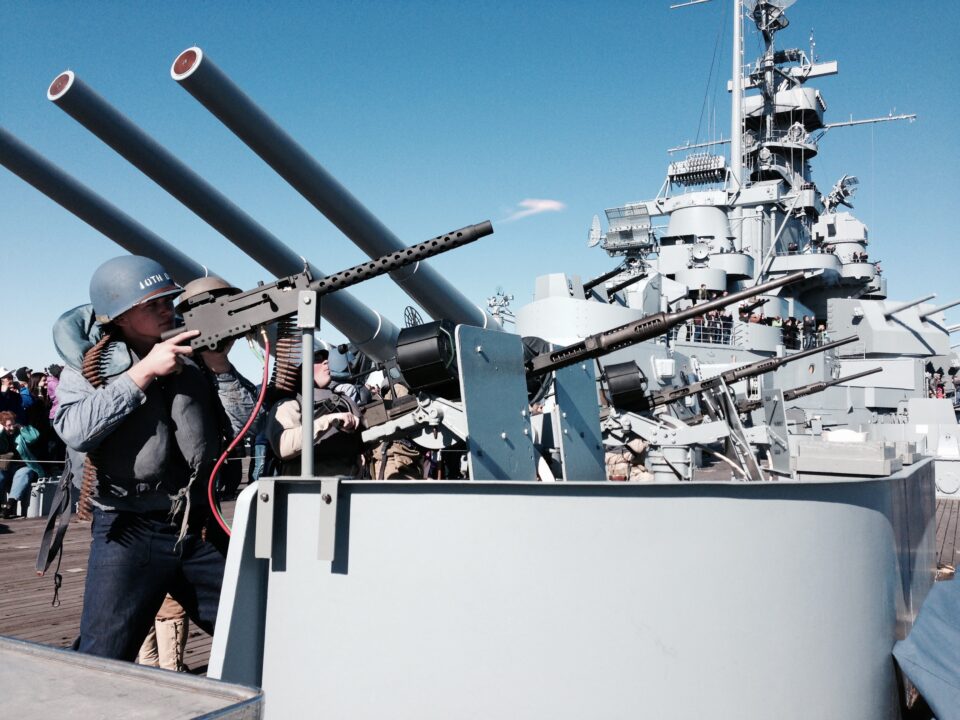
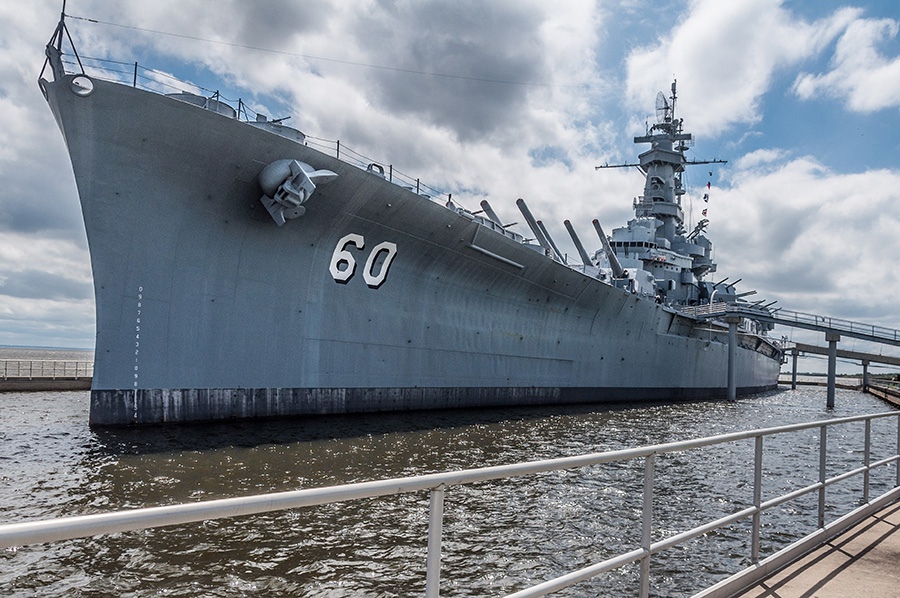
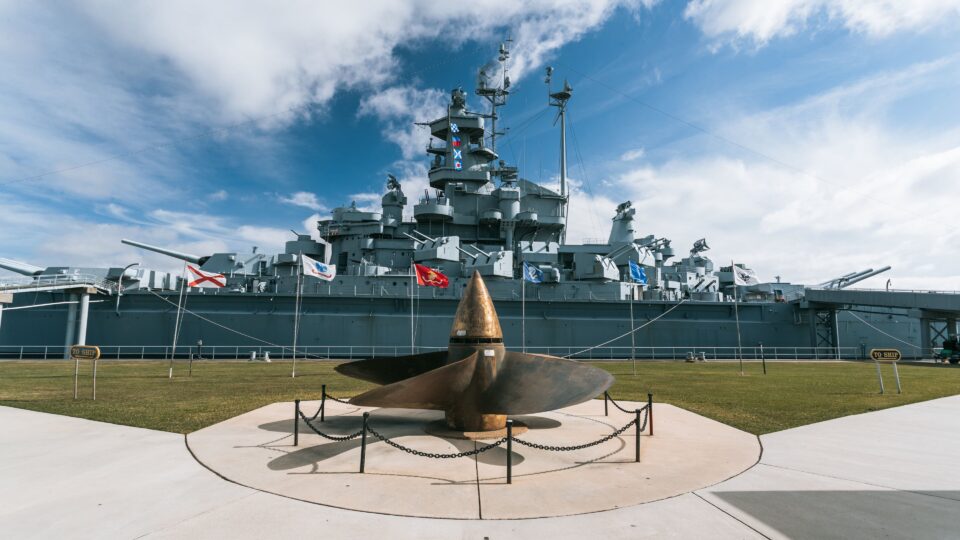
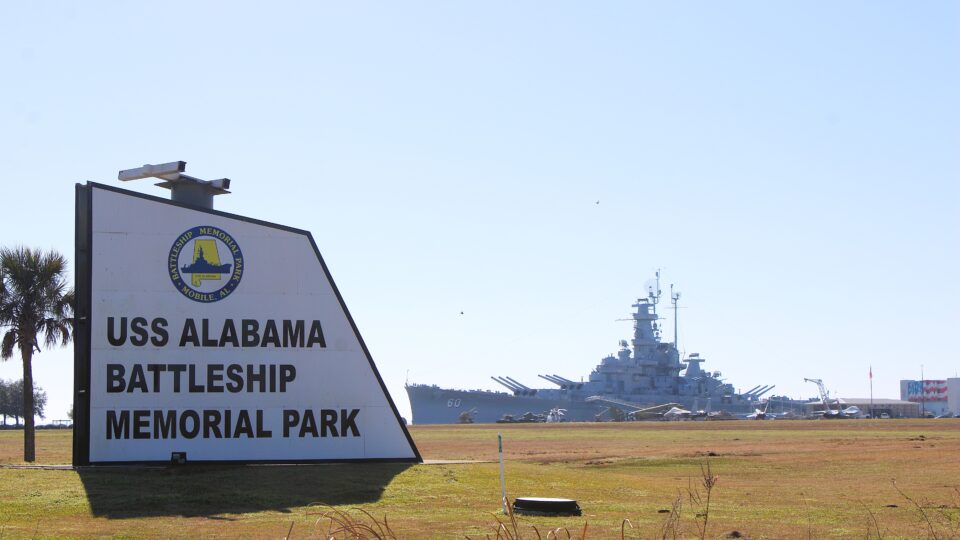
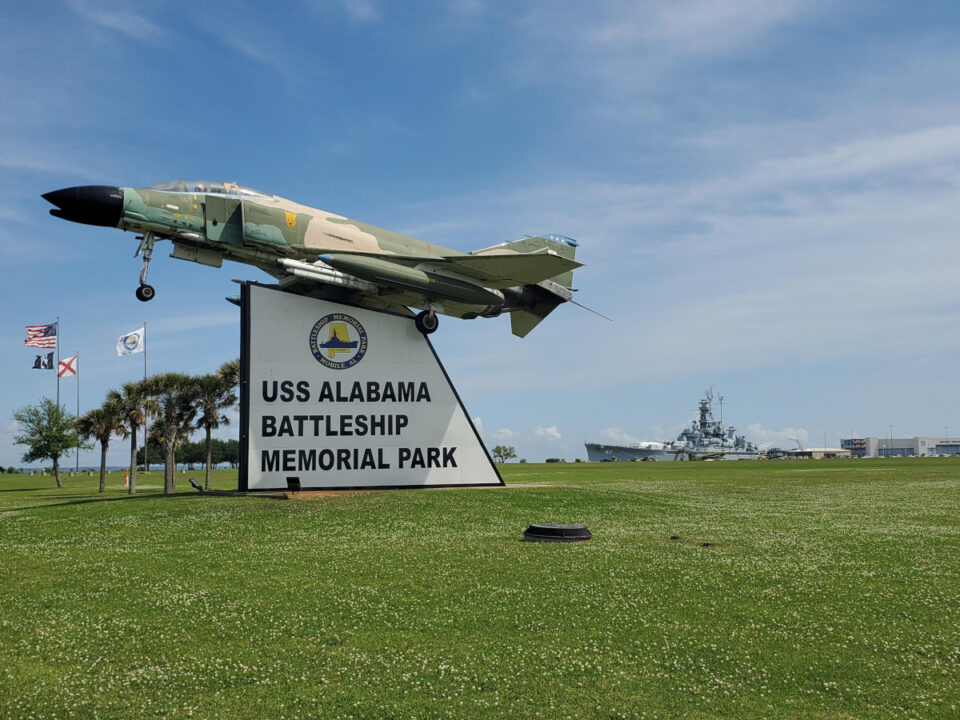
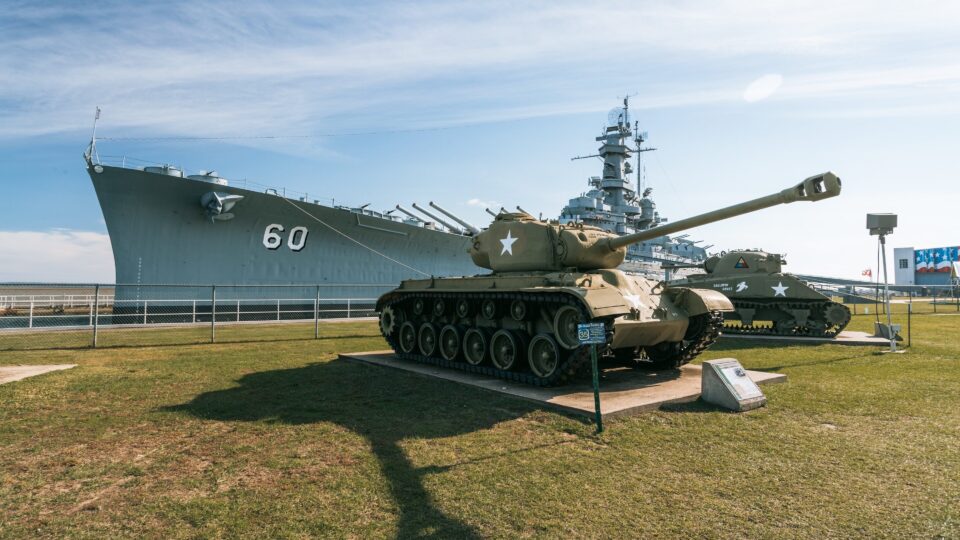
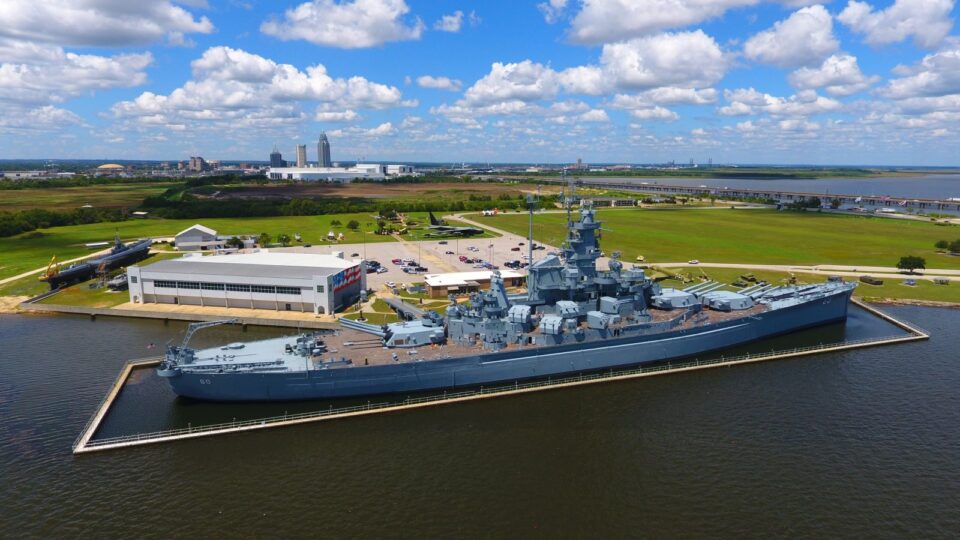
- A battleship on the waterfront. The USS Alabama, a World War II battleship with nine battle stars, sits with the submarine USS Drum on the Mobile River, minutes from downtown — one of the most complete military-history stops on the Gulf.
- Seafood straight from the Gulf. Mobile’s restaurants work on the Gulf-to-table principle: the catch comes off the water and onto the plate in the same day. Downtown’s Dauphin Street and the LoDa district concentrate the city’s dining.
DananaGo’s verdict: Mobile suits history travelers, seafood lovers, and anyone who wants a Gulf Coast city rather than a beach resort. Plan 2 days: one for the battleship and the waterfront, one for the historic districts and downtown dining. A half-day extension south covers Bellingrath Gardens. Travelers who want only sun and sand should go straight to Gulf Shores, but for a complete Gulf port city — history, ships, and seafood — Mobile is the destination.
Top Attractions
USS Alabama Battleship Memorial Park
Primary Attraction
The city’s defining stop: board a World War II battleship and the oldest submarine open to the public in the United States, both on the Mobile River minutes from downtown. Start here, and the port city’s story takes shape.

Mobile Historic Districts
Secondary Attraction
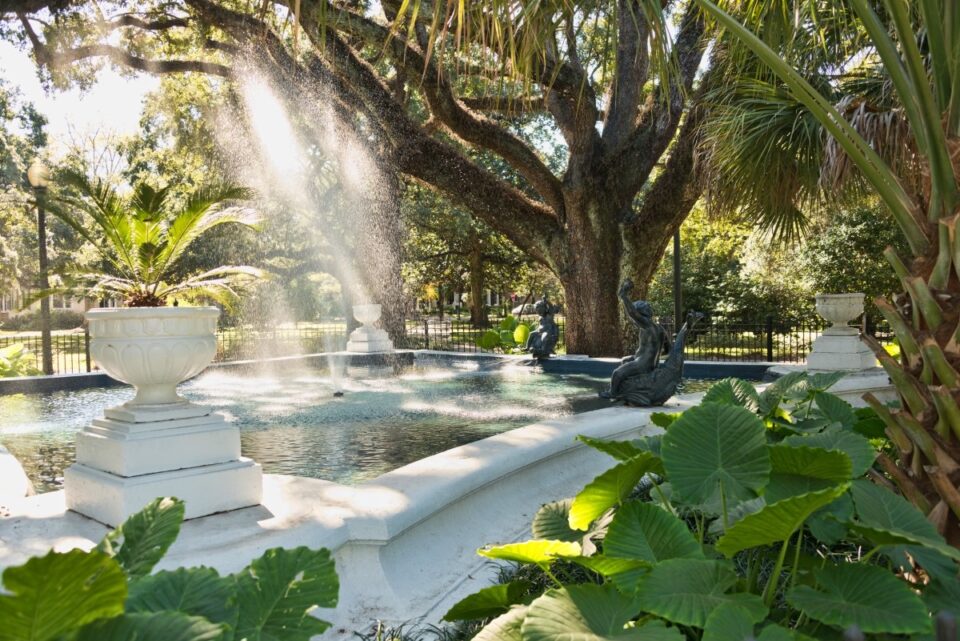
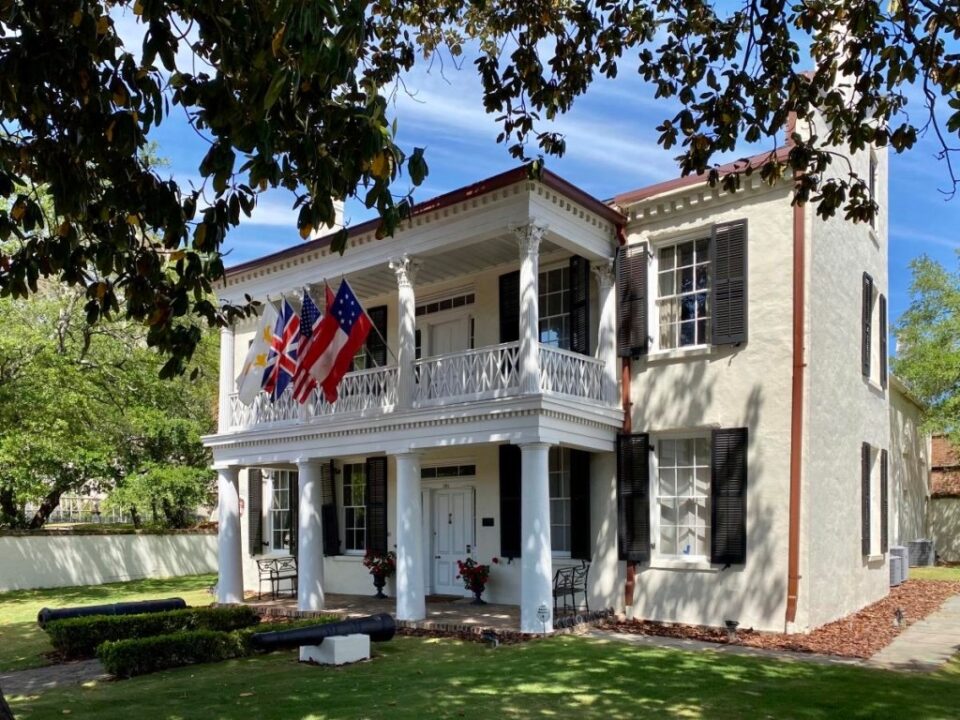
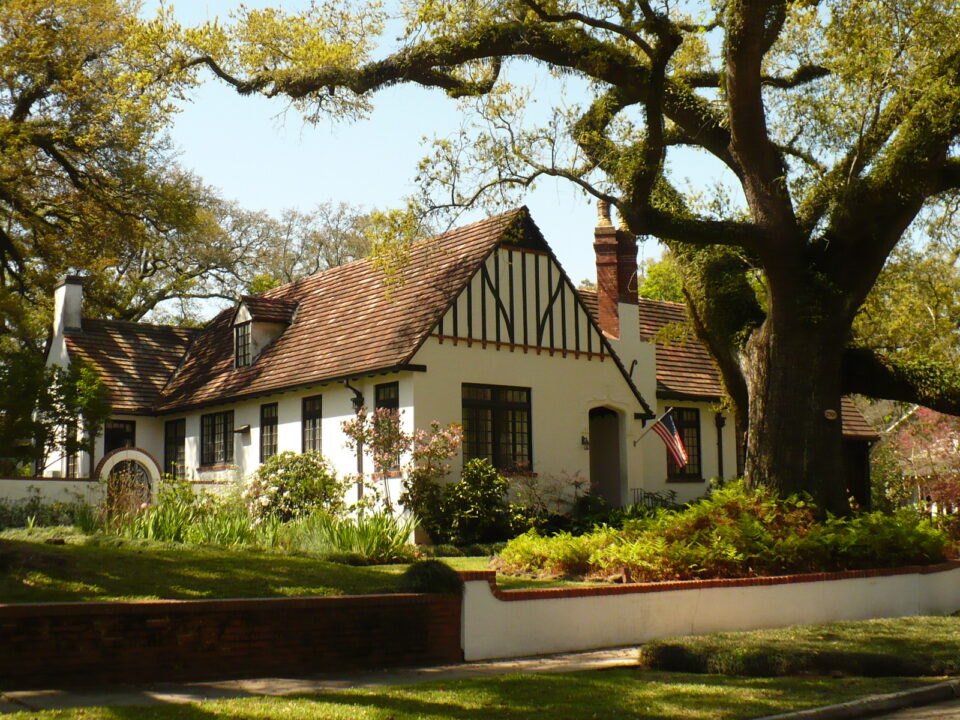
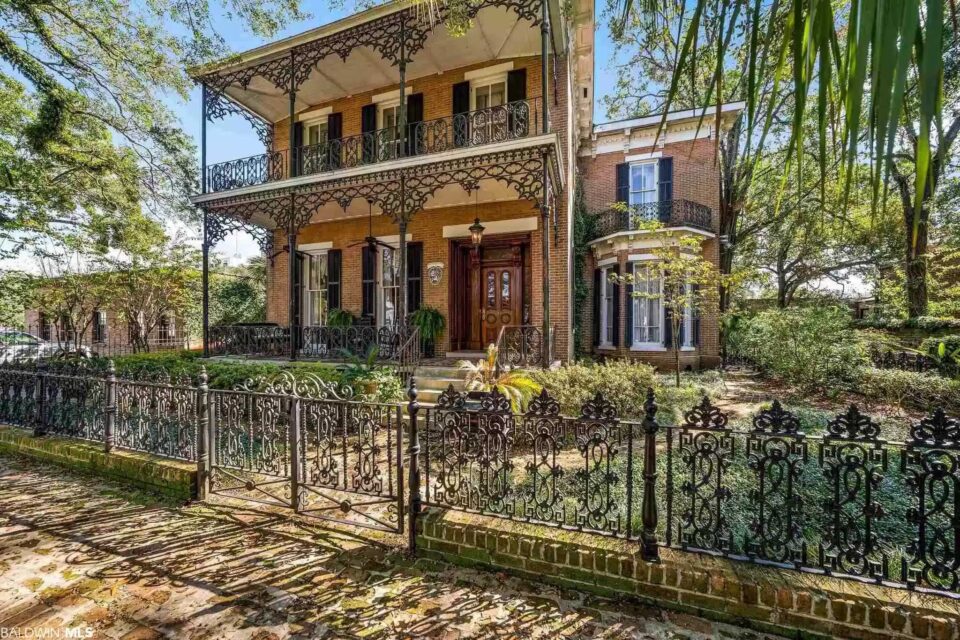
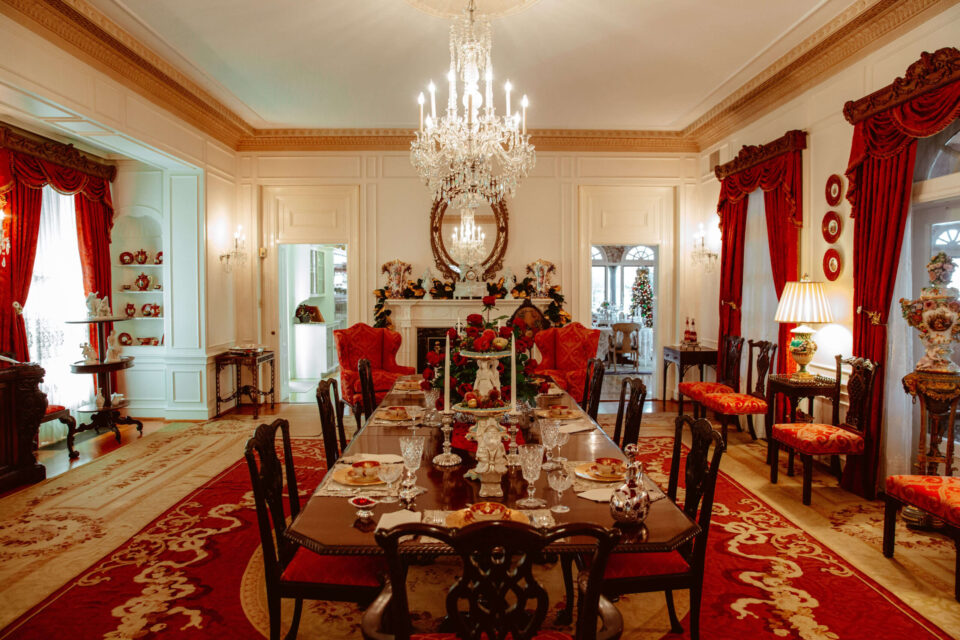
Seven National Register districts that carry nearly 325 years of settlement, best walked from De Tonti Square through Church Street East to Lower Dauphin. This is the city’s architecture half.
Bellingrath Gardens & Home
Secondary Attraction
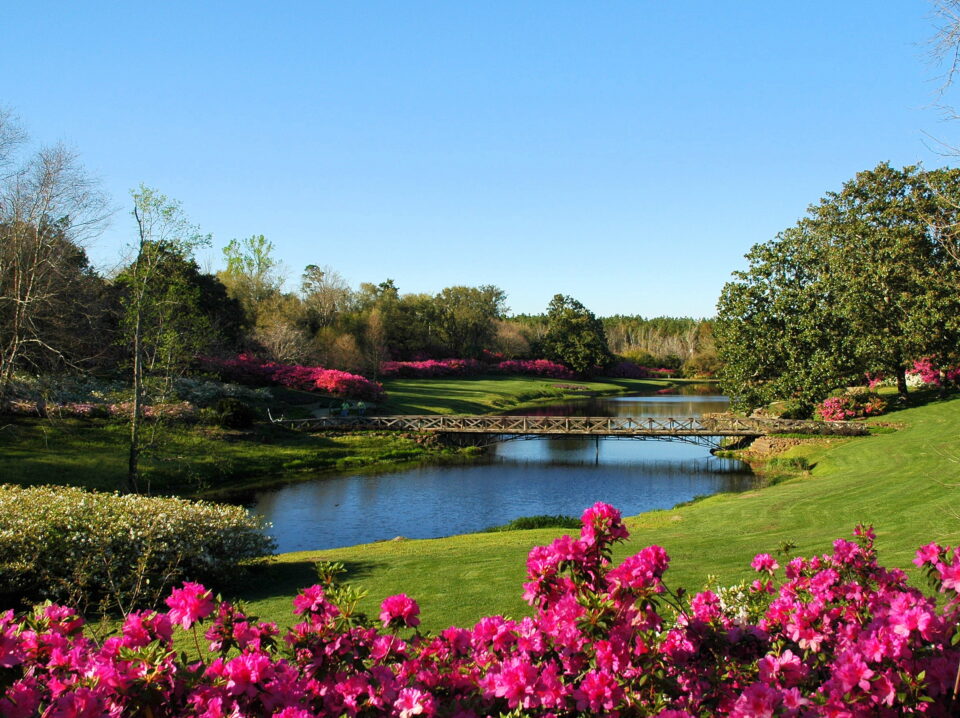
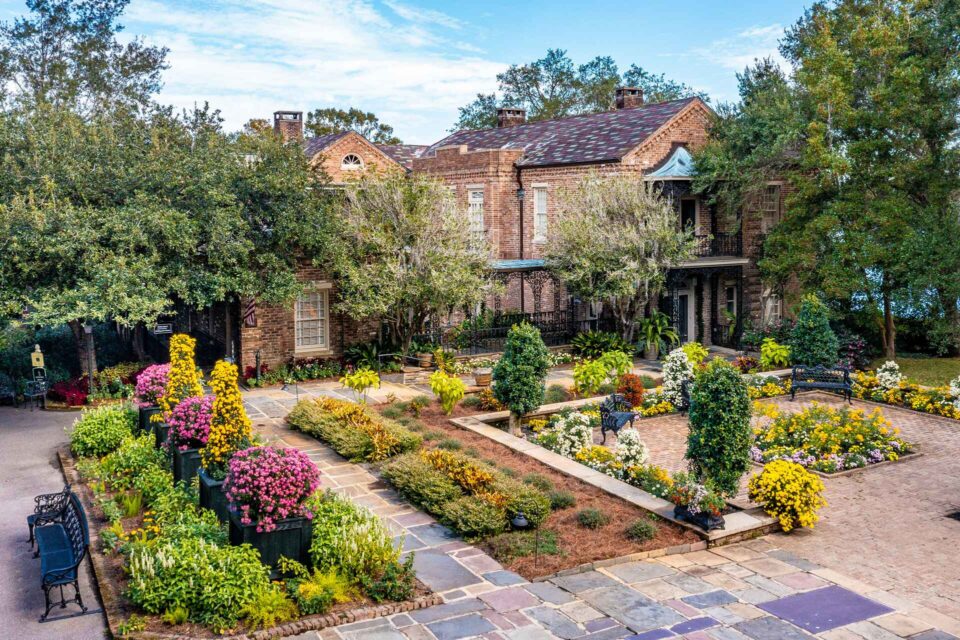
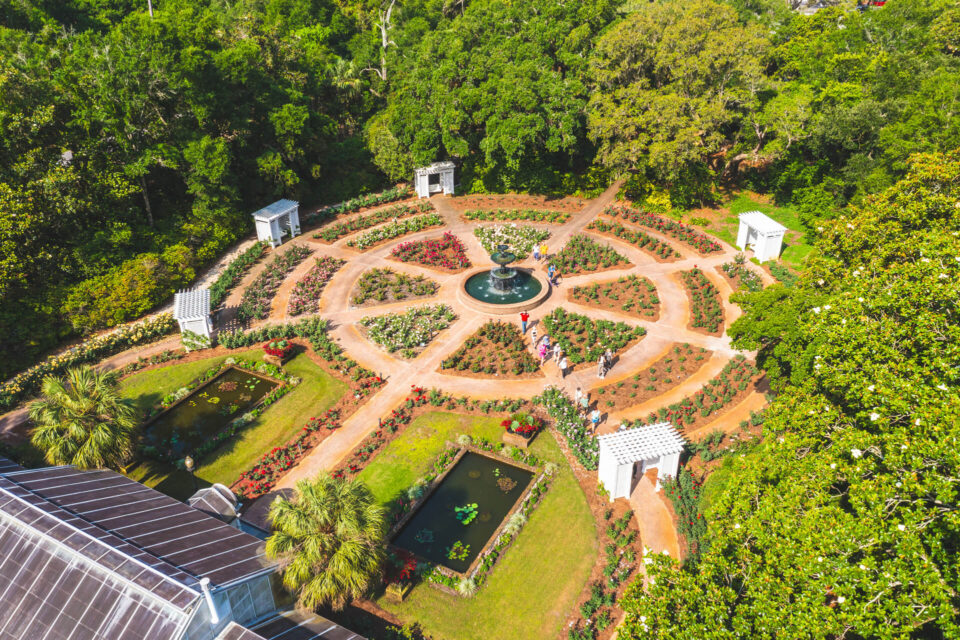
A 65-acre designed garden on the Fowl River south of Mobile, open since 1932, with a 1935 home tour. The half-day excursion for garden and design travelers.

How to Plan Your Trip
Recommended Length of Stay
2 days covers the city’s core: Day 1 for the battleship and the waterfront, Day 2 for the historic districts and downtown. A third day adds Bellingrath Gardens as a half-day excursion south, with time left for the districts at a slower pace.
The DananaGo Route
Day 1 — The waterfront and the ships: Start at USS Alabama Battleship Memorial Park, boarding the battleship and the submarine before the day heats up. Return to downtown in the afternoon and walk the waterfront past Fort Conde and the cruise terminal. End the day in the Dauphin Street dining area.
Day 2 — The historic districts: Walk the historic districts in order — start at De Tonti Square for the antebellum core, continue through Church Street East, and finish in Lower Dauphin (LoDa), the liveliest district, for galleries and an early dinner. Day 3 (optional): Drive south to Bellingrath Gardens & Home for a half day of gardens and the 1935 home.
Getting Here & Around & Eat & Stay
How to Get There
By air: Mobile Regional Airport (MOB) serves the city from the west side, with taxis, ride-hailing, and rental cars available at the terminal. By train: Amtrak’s daily Mardi Gras service connects Mobile to New Orleans, with the downtown station at South Water Street, steps from the waterfront. By car: Mobile sits at the junction of I-10 and I-65, a few hours from New Orleans, Birmingham, and the rest of the Gulf Coast.
Getting Around
Downtown is walkable, and the historic districts and the waterfront dining areas sit within it. The Wave Transit System buses cover the wider city. For the USS Alabama across the river and Bellingrath to the south, a car is the practical choice, with parking at each site.
What to Eat & Drink
Mobile’s food is Gulf-to-table: oysters, shrimp, crab, and fish off the water, prepared the day they arrive. The dining concentrates in downtown, especially along Dauphin Street and in the LoDa district, where restaurants mix with galleries and bars. Mardi Gras season brings the city’s celebration culture to the table with the year’s biggest gatherings.
Where to Stay
Downtown is the base that works: the historic districts and the waterfront are within walking distance, the Amtrak station sits at its edge, and the dining district is on your doorstep. For a longer stay, the city’s wider hotel stock spreads across downtown and the surrounding areas, all within a short drive of the route.
DananaGo Tips
- Do the battleship first in the day — the ships’ interiors get hot and busy as the morning goes on.
- Walk the districts in the De Tonti Square-to-LoDa order; it follows the city’s history forward in time.
- Spring and fall are the best seasons; summer is hot and humid Gulf Coast weather.
- If your visit falls in winter, plan around Mardi Gras season for the city’s biggest celebration.
Explore More
Mobile is part of a larger Alabama story — use the state map below to explore beyond the city.