

Mobile Historic Districts Travel Guide (2026)
Mobile Historic Districts are the downtown and midtown neighborhoods that preserve nearly 325 years of continuous settlement — seven National Register Historic Districts where French colonial origins, antebellum mansions, and Victorian streetscapes stand side by side. De Tonti Square, Church Street East, Oakleigh Garden, Old Dauphin Way, Lower Dauphin (LODA), Leinkauf, and Ashland Place each have a distinct character, connected by tree-lined streets and the front porches that define the city’s look. Its most irreplaceable experience is walking these streets as a living city rather than a museum district — homes, cafés, and galleries mixed with the architecture.
Why It Is Worth Visiting
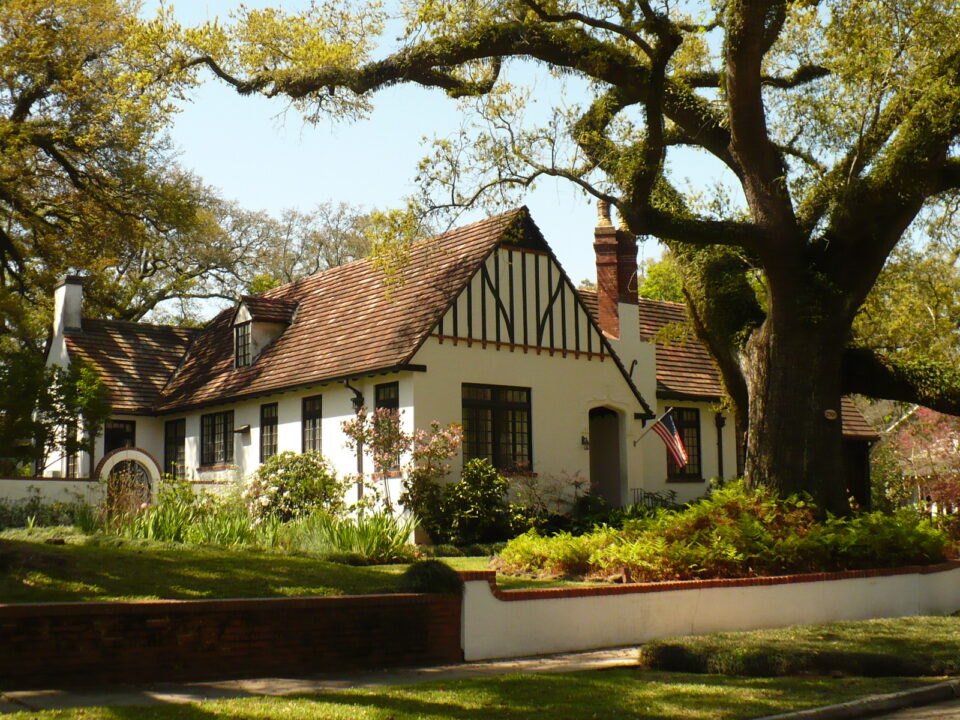
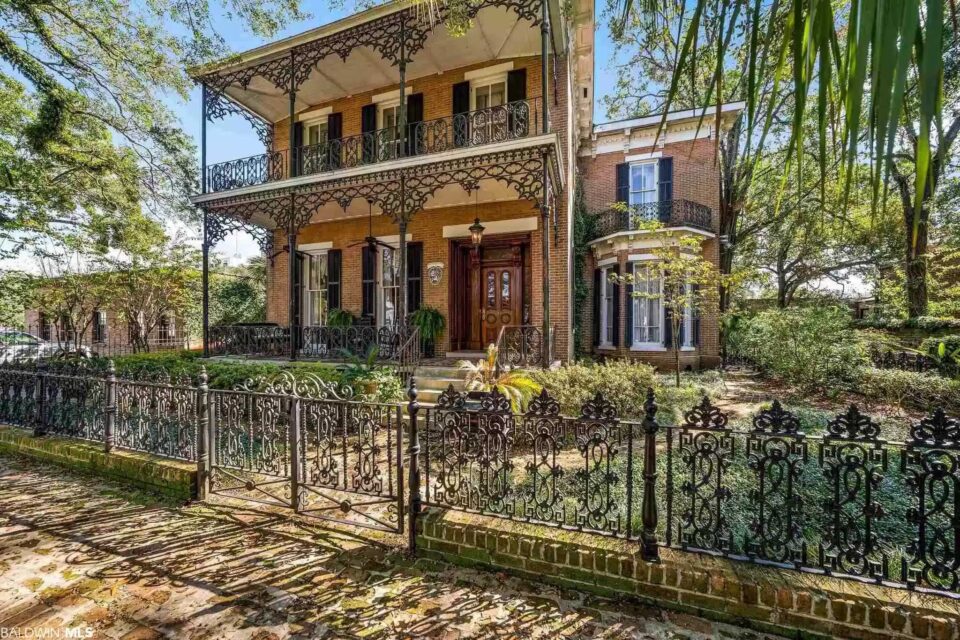
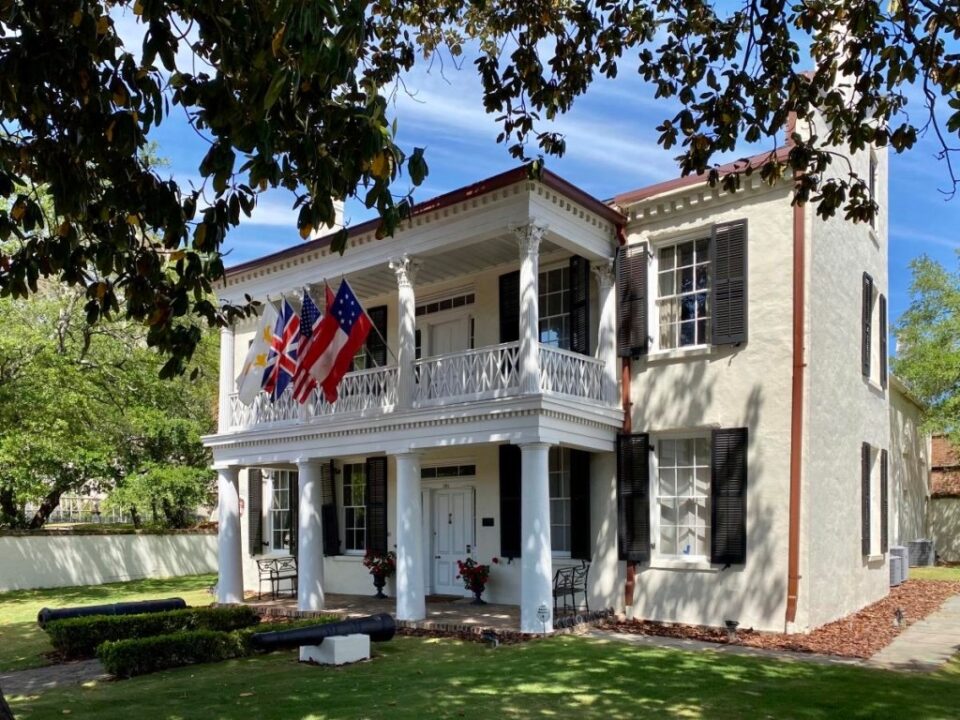
Mobile is Alabama’s oldest city, shaped by French, Spanish, British, Creole, and later American settlement, and its historic districts carry that layered history in bricks and woodwork. The seven National Register districts together give the city one of the South’s most intact historic urban fabrics, spanning the nineteenth and early twentieth centuries: Greek Revival and Italianate mansions in De Tonti Square and Oakleigh, Creole cottages and shotgun houses in Old Dauphin Way and Church Street, and the late-1800s streetscapes of Leinkauf and Ashland Place. Because these are working neighborhoods, a walking tour combines architecture with the city’s everyday life — and with its cafés, boutiques, and galleries, especially in the LODA district.
DananaGo’s read is that the districts reward slow walking: the pleasure is in the variety of styles, the live oaks and magnolias shading the streets, and the sense that you are inside a city’s history rather than looking at it.
DananaGo’s verdict: This is a Secondary Attraction — a city B-grade stop worth scheduling on a three-to-five-day Mobile stay. The reasons are concrete: the seven districts form one of the South’s most substantial historic districts, they are free to explore, and they reward architecture and history travelers with a full day of walking. It suits architecture buffs, photographers, and slow travelers who like neighborhoods over single sites. A reasonable stay is 2–4 hours of walking, or a full day if you add district home tours. Travelers short on time should prioritize the USS Alabama or the city’s museums instead, but the districts are Mobile’s character in its most walkable form.
What to Experience
De Tonti Square
The most complete antebellum district in Mobile, De Tonti Square holds some of the city’s grandest nineteenth-century mansions around a small park. It is the classic starting point for understanding Mobile’s cotton-era wealth and its Greek Revival and Italianate architecture.
Church Street East and Old Dauphin Way
These adjacent districts show the city’s earlier Creole and Victorian character, with shotgun houses, Creole cottages, and historic churches along tree-lined streets. Church Street East is the more architectural, while Old Dauphin Way mixes homes with galleries and cafés — a good introduction to Mobile’s walkable streetscapes.
Lower Dauphin (LODA)
The city’s liveliest historic district, LODA mixes restored buildings with shops, restaurants, and the local art scene, and hosts street festivals through the year. It is the district to end a walking tour in, when the day turns to food and coffee.
Plan Your Visit
| Address | Downtown and midtown Mobile; a good starting point is De Tonti Square at St. Anthony and Claiborne Streets |
|---|---|
| Recommended time | 2–4 hours of walking across the districts; a full day with home tours |
| Hours | Streets are open at all times; historic homes and museums keep their own hours |
| Admission | Free to walk; individual historic homes and museums charge admission |
| Best time | Weekday mornings and weekend afternoons; spring and fall for mild walking weather |
| Getting there | The districts are walkable from downtown Mobile; parking available on streets and in downtown lots |
A Focused Visit Route
Start at De Tonti Square for the antebellum core, then walk south through Church Street East to see the older Creole and Victorian streetscapes. Continue into Old Dauphin Way to mix houses with the gallery district, and finish in Lower Dauphin (LODA) for shops and a meal. The loop is roughly two miles and covers four of the seven districts; the remaining three — Oakleigh Garden, Leinkauf, and Ashland Place — are a short drive or a longer walk for a second day.
DananaGo Tips
- Pick up a walking or driving map first — the districts spread across downtown and midtown, and a map keeps the route coherent.
- Wear walking shoes; the districts are best on foot, and several cover several blocks.
- Combine the walk with the city’s historic homes if you want interiors, not just facades.
- Time the walk for a weekend to catch the LODA district at its liveliest.
Explore More of Mobile
Mobile has more to offer beyond the historic districts — use the city map below to find other sites worth your time.