
Kyoto Travel Guide (2026)
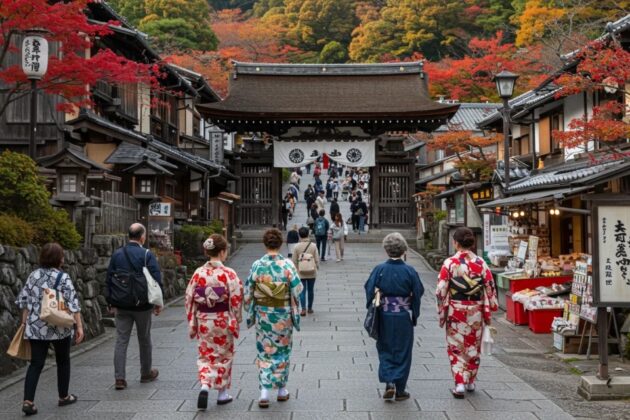
Kyoto, the ancient capital of Japan, is a city where centuries of history, culture, and tradition blend seamlessly with modern life. Famous for its stunning temples, serene gardens, vibrant geisha districts, and seasonal beauty (especially cherry blossoms in spring and autumn foliage), Kyoto offers an unforgettable experience for every traveler. With over 2,000 temples and shrines, including 17 UNESCO World Heritage Sites, it is one of Japan’s most culturally rich destinations.
Best Time to Visit
Spring (March–May): Peak cherry blossom season (late March to early April). Beautiful but very crowded.
Autumn (October–November): Spectacular fall colors (koyo), especially mid-to-late November. Highly recommended.
Summer (June–August): Hot and humid with festivals (matsuri), including Gion Matsuri in July.
Winter (December–February): Fewer crowds, snow-covered temples, and illuminations. Great for a peaceful visit.
Pro tip: Avoid Golden Week (late April–early May) and New Year if you dislike massive crowds.
How to Get to Kyoto
From Tokyo: Take the Shinkansen (bullet train) – about 2 hours 15 minutes on the Nozomi. JR Pass is useful if traveling around Japan.
From Osaka: 15–30 minutes by JR train or Shinkansen.
From Kansai International Airport (KIX): Take the Haruka Express train (75 minutes) directly to Kyoto Station.
From Narita/Haneda (Tokyo): Fly into KIX or take the Shinkansen.
Top Attractions
Fushimi Inari Taisha
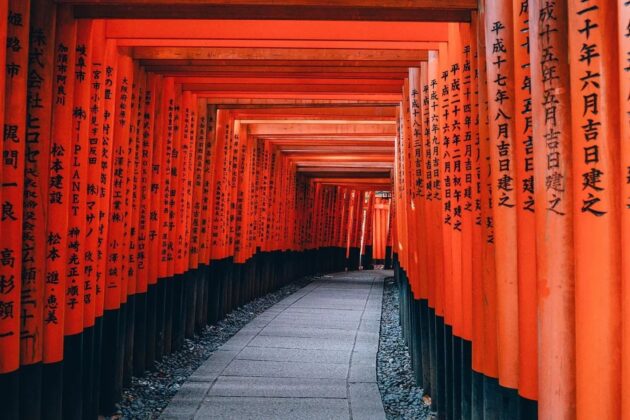
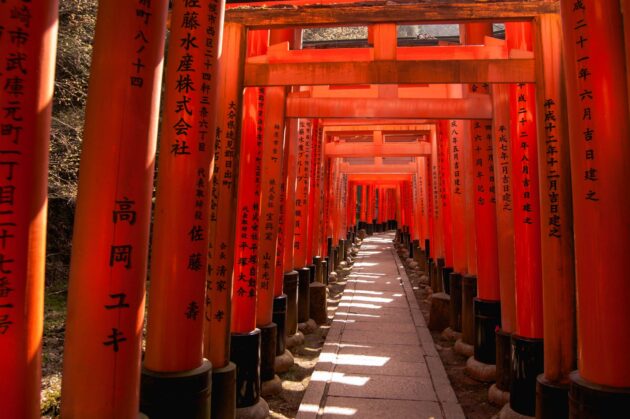
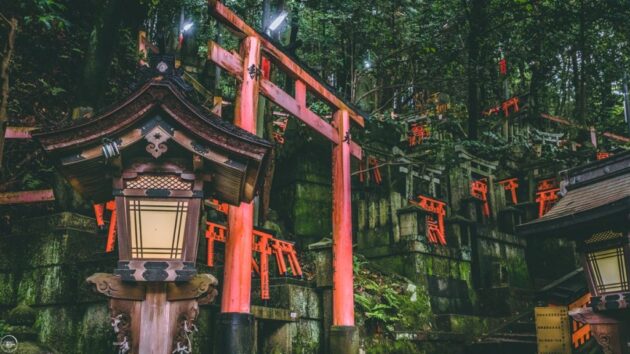
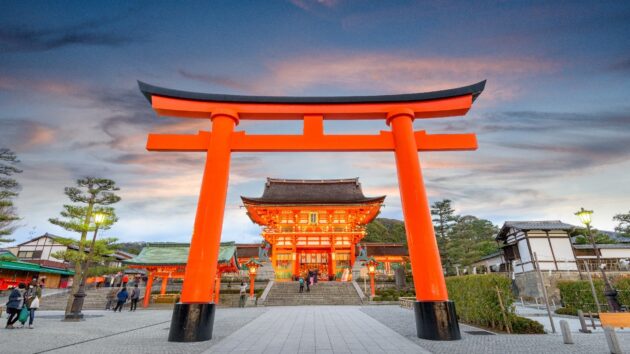
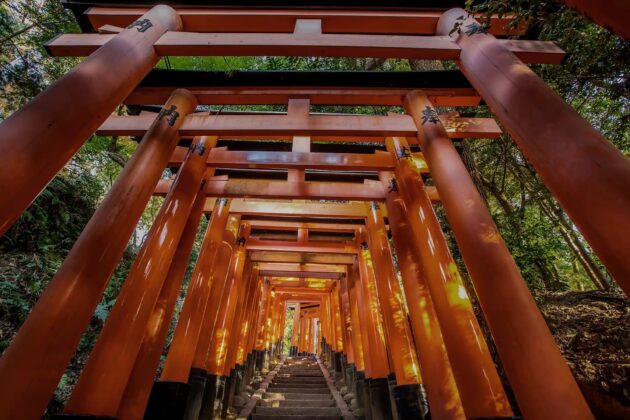
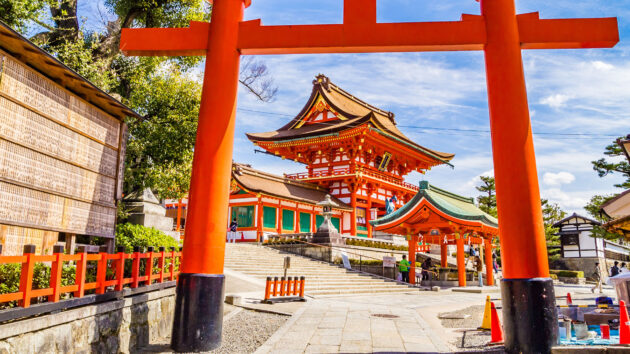
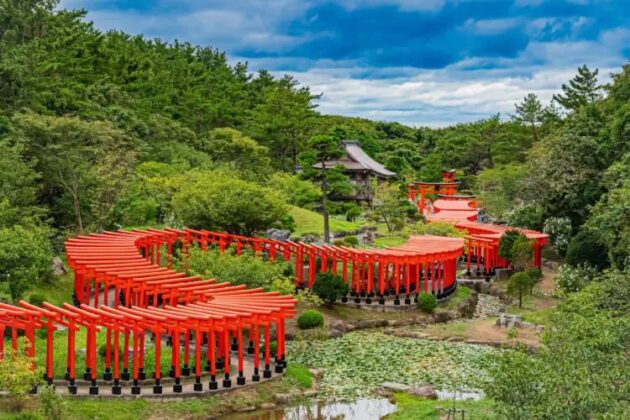
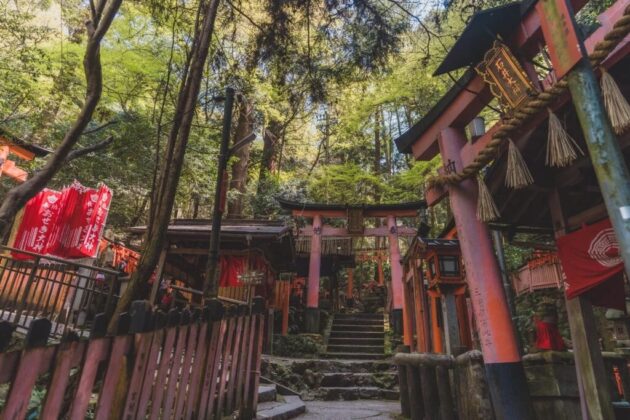
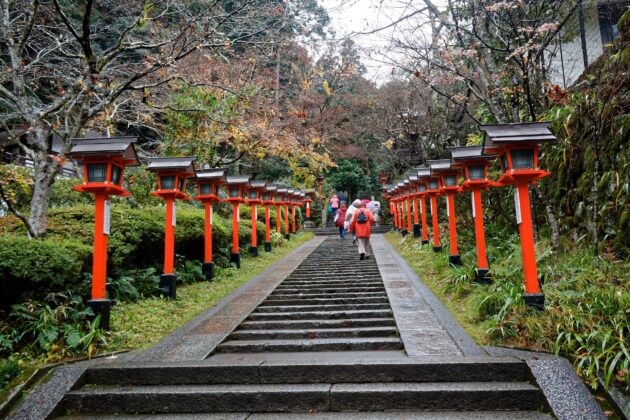
Fushimi Inari Taisha (伏見稲荷大社) is one of Kyoto’s most iconic and photogenic attractions. Famous worldwide for its thousands of vibrant vermilion torii gates winding up Mount Inari, this Shinto shrine is a must-visit for anyone traveling to Kyoto.
Kinkaku-ji (Golden Pavilion)
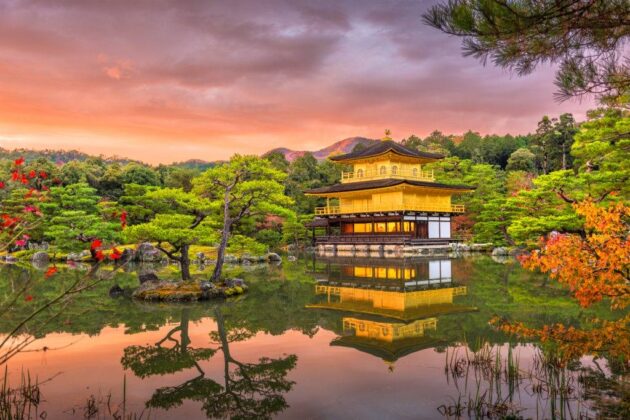
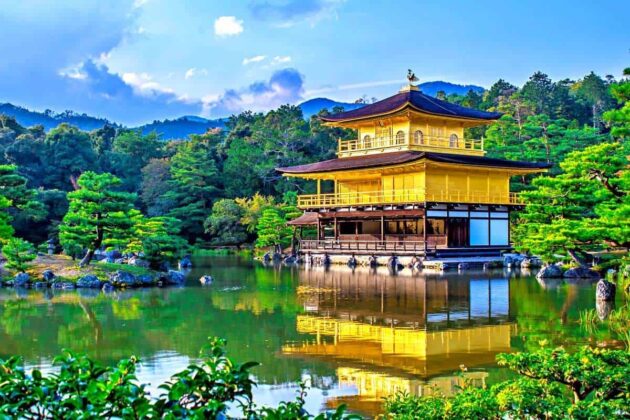
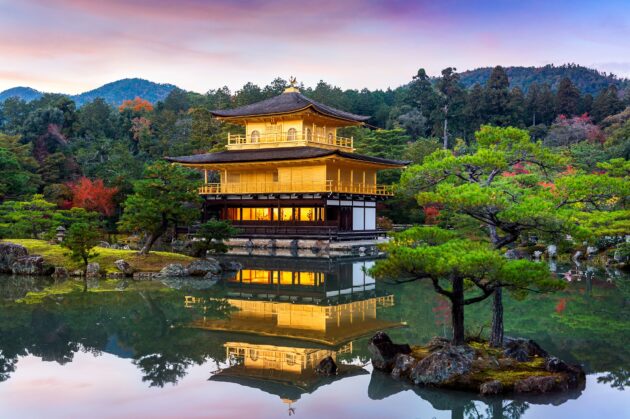
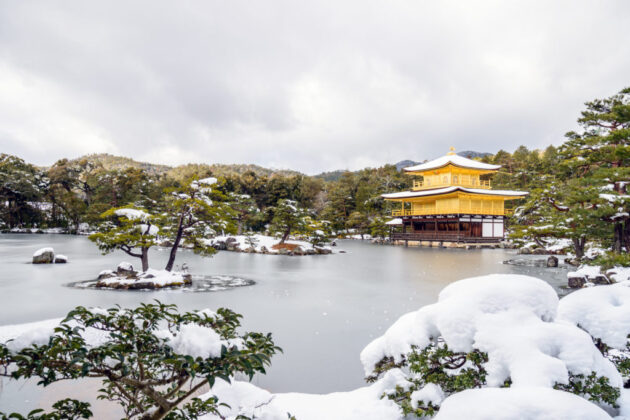
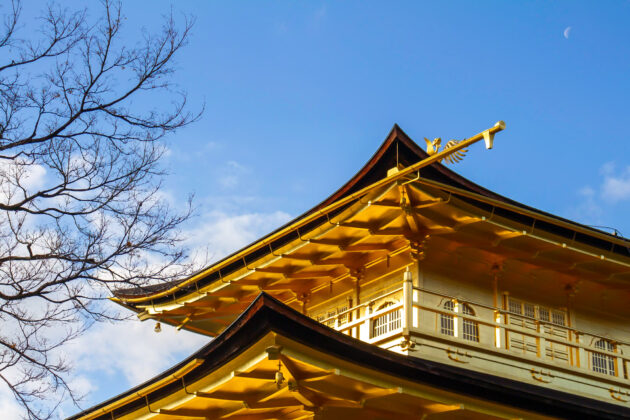
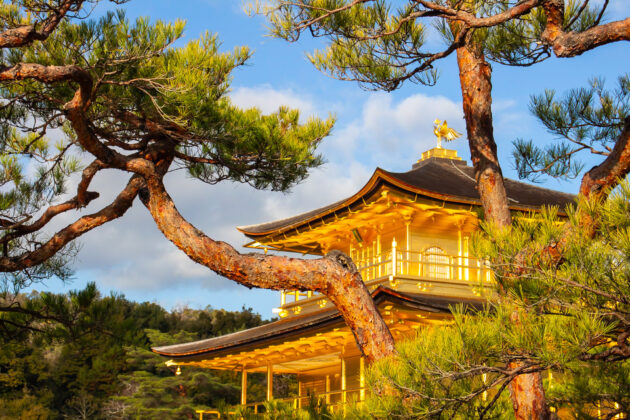
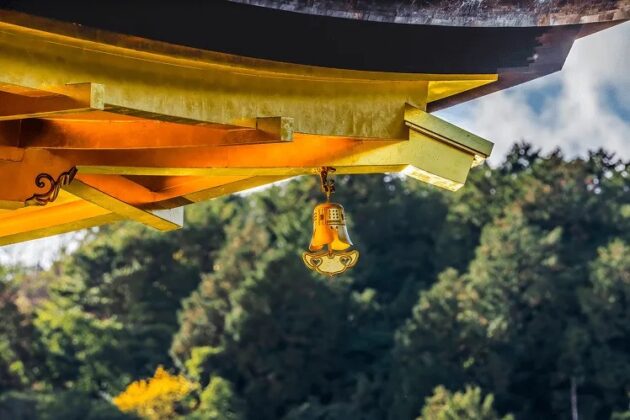
Kinkaku-ji, officially known as Rokuon-ji Temple (Deer Garden Temple), is one of Kyoto’s most iconic and photogenic landmarks. The Golden Pavilion is a three-story Zen Buddhist temple covered in brilliant gold leaf, dramatically reflected in the serene Kyoko-chi pond. Originally built in 1397 as a retirement villa for Shogun Ashikaga Yoshimitsu, it was converted into a temple after his death.
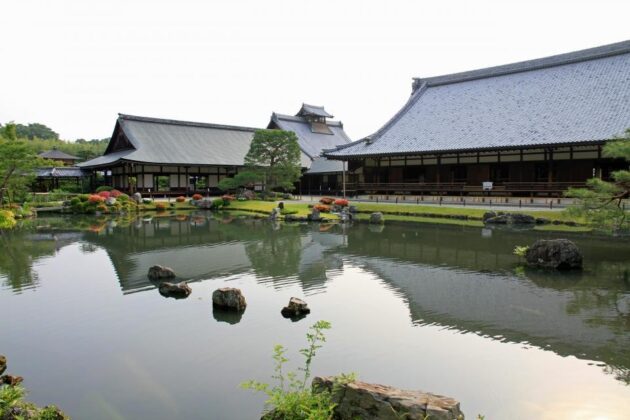
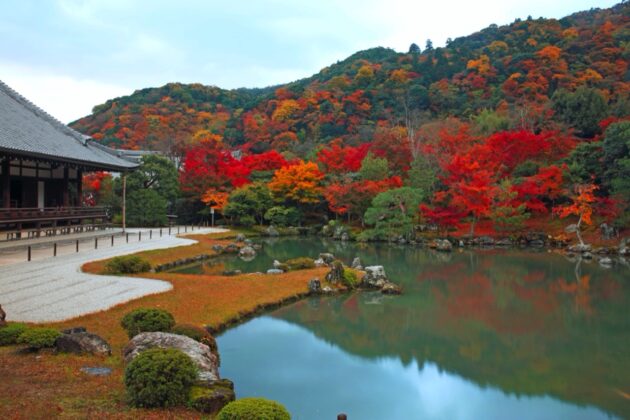
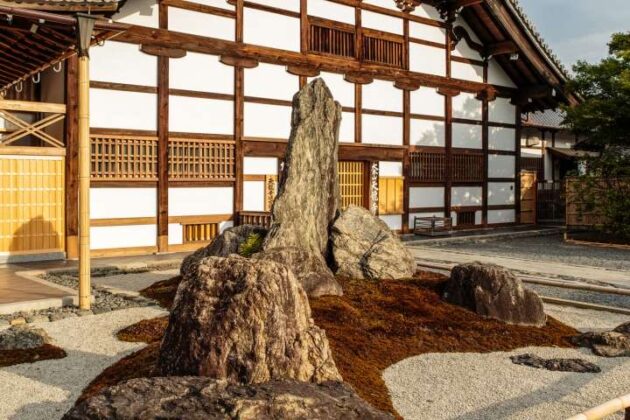
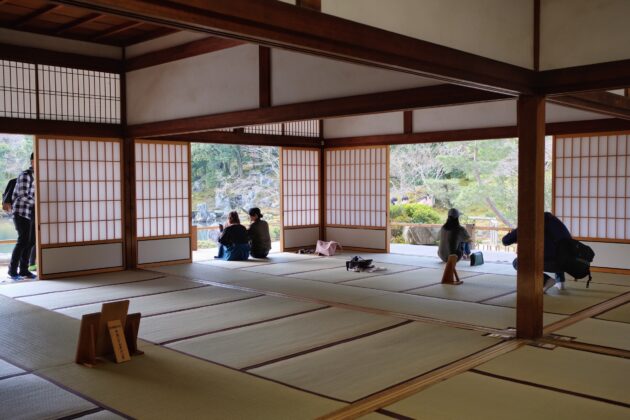
Tenryu-ji
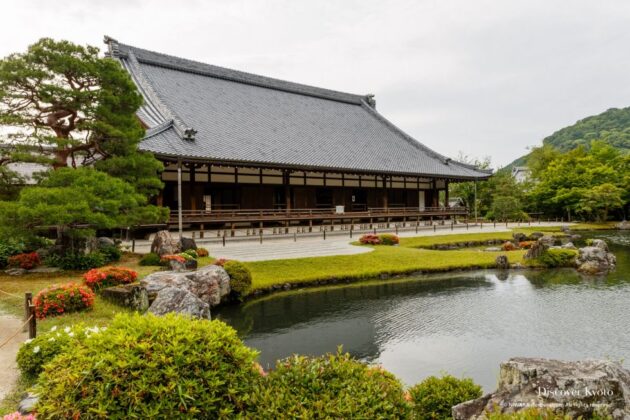
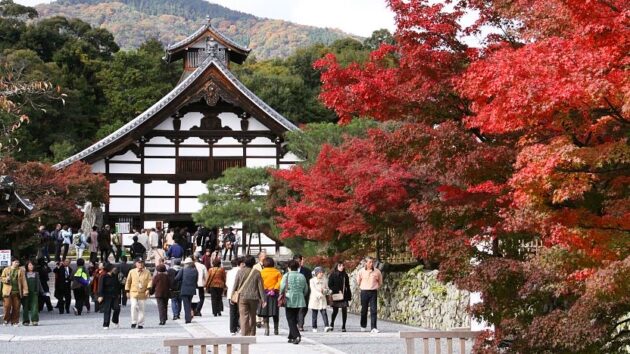
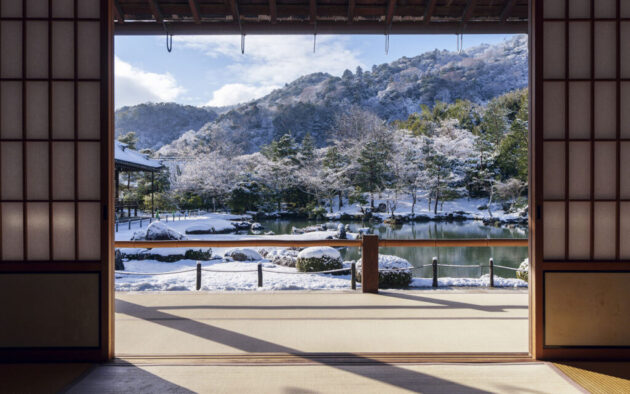
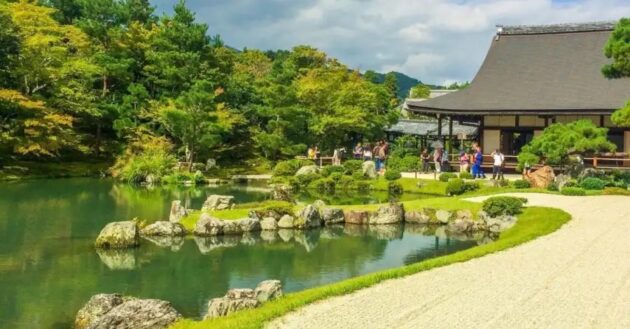
Tenryu-ji (天龍寺, meaning “Temple of the Heavenly Dragon”) is one of Kyoto’s most important Zen temples and a UNESCO World Heritage Site. Located in the scenic Arashiyama district, it beautifully blends Zen simplicity with elegant garden design. Founded in 1339, it ranks among Kyoto’s Five Great Zen Temples and remains a highlight for visitors seeking tranquility amid nature.
Kiyomizu-dera
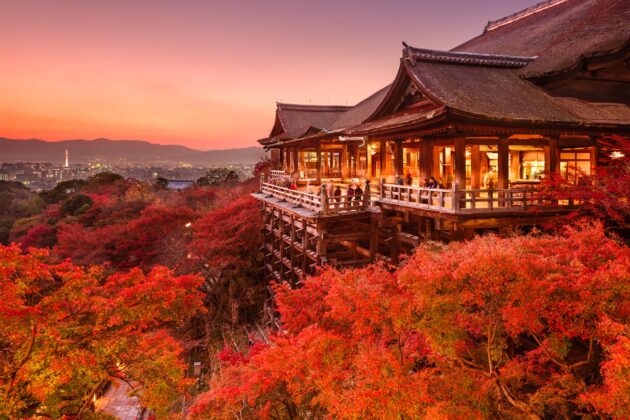
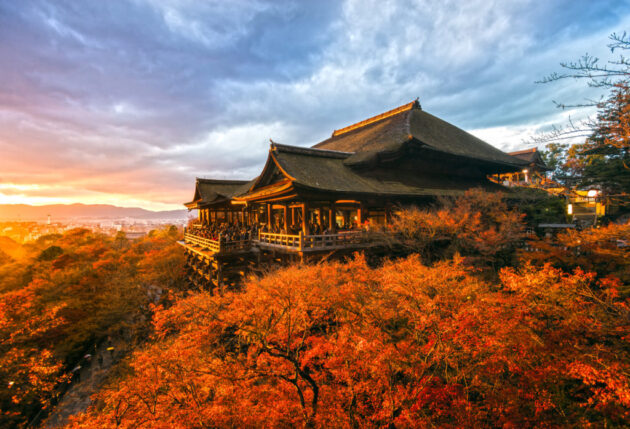
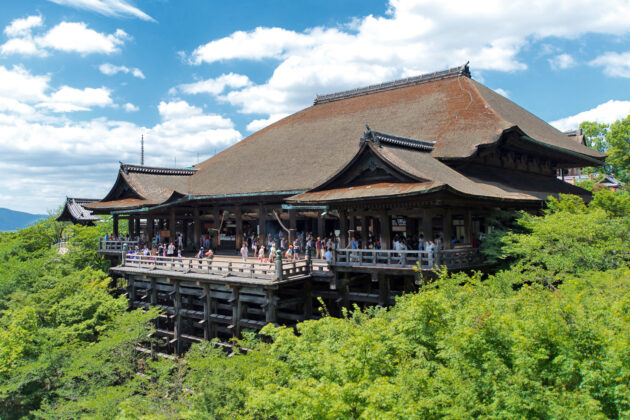
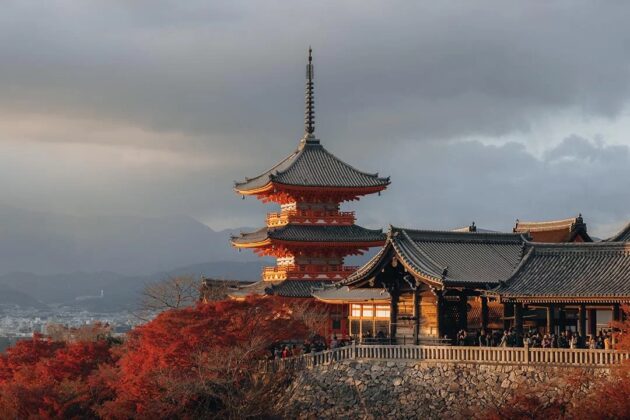
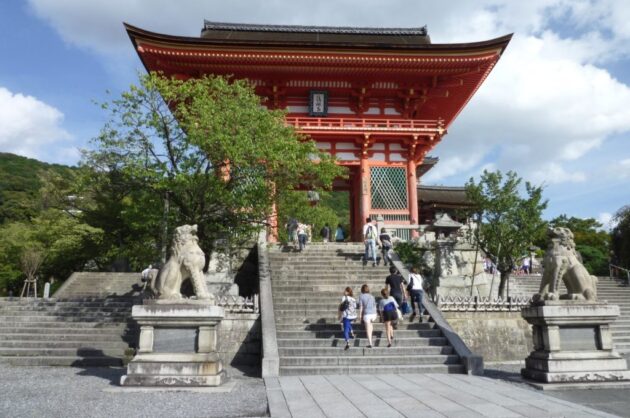
Kiyomizu-dera (清水寺, “Pure Water Temple”) is one of Kyoto’s most iconic and beloved landmarks. A UNESCO World Heritage Site, this historic Buddhist temple is famous for its stunning wooden stage that juts out over the hillside, offering breathtaking panoramic views of Kyoto. Founded in 778, it has survived numerous fires and reconstructions, with most current buildings dating from 1633.
Ginkaku-ji (Silver Pavilion)
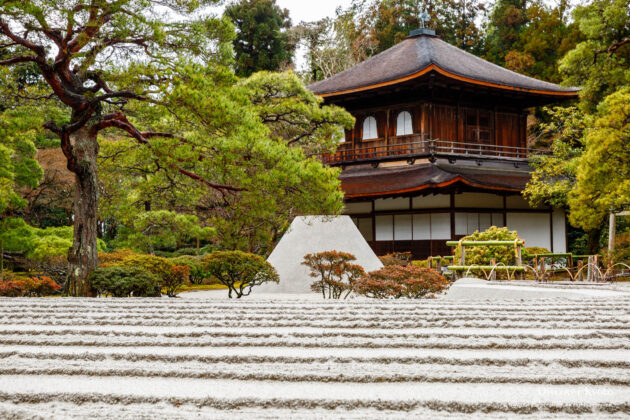
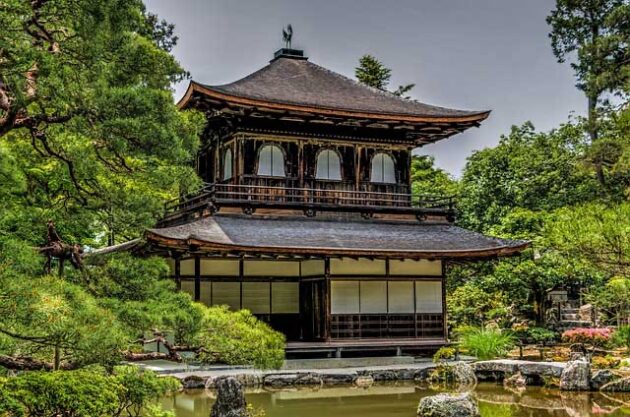
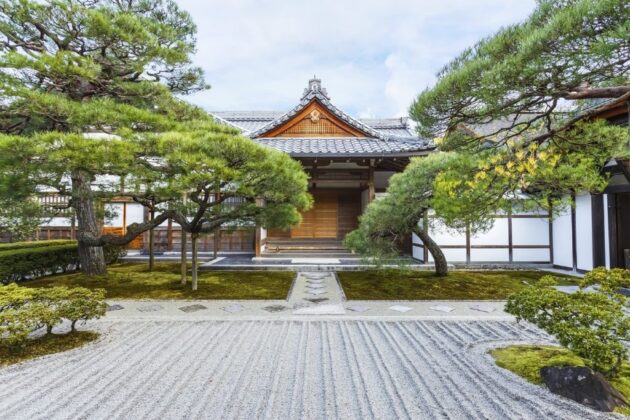
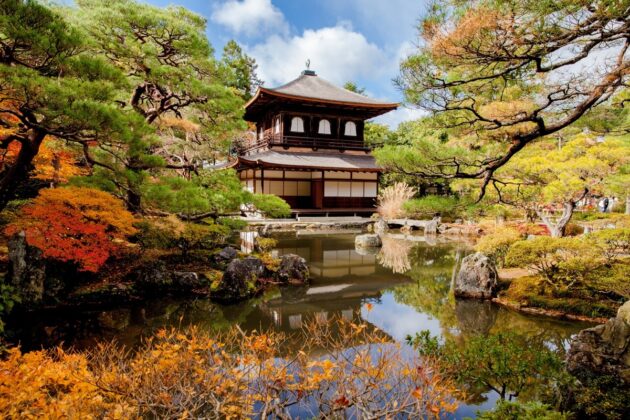
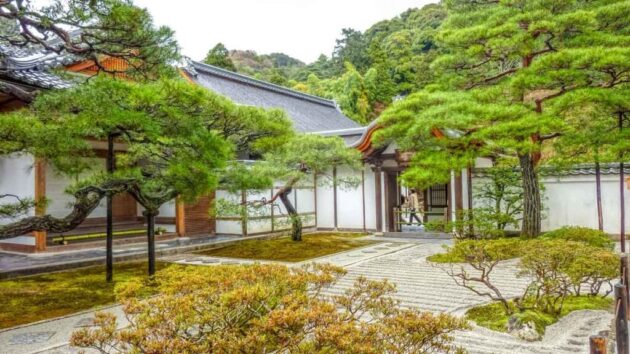
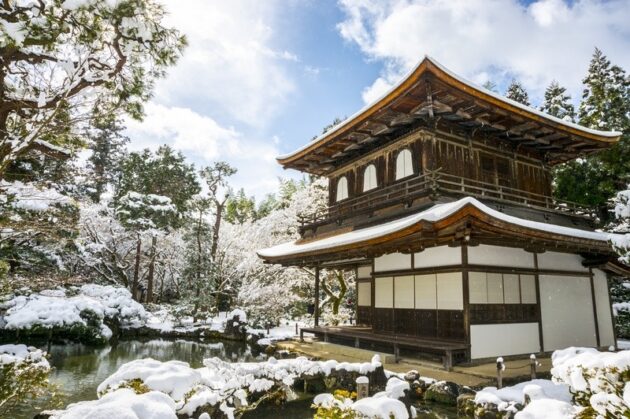
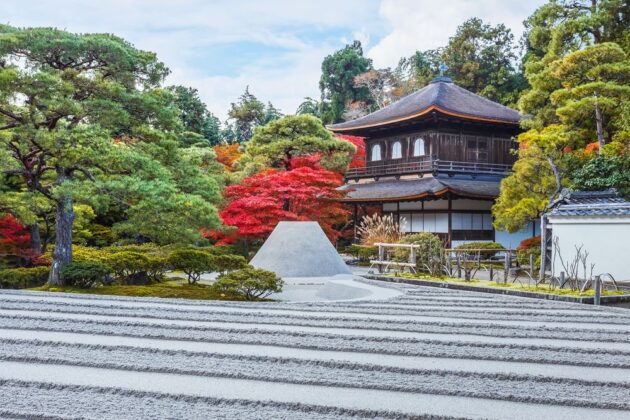
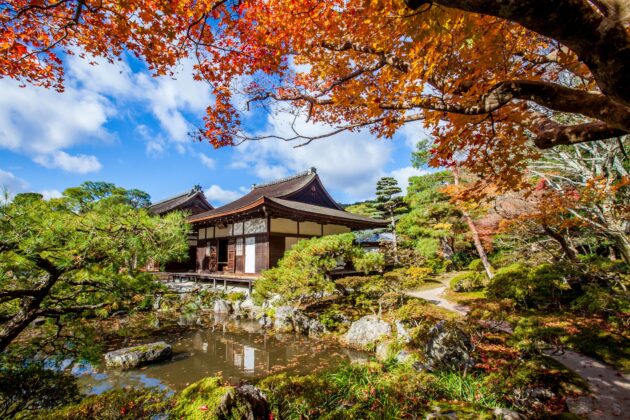
Ginkaku-ji, officially known as Jishō-ji (Higashiyama Jishō-ji), is one of Kyoto’s most serene Zen temples. Often called the Silver Pavilion, it contrasts with its glittering counterpart, Kinkaku-ji (Golden Pavilion). While the main pavilion was never actually covered in silver leaf, its understated elegance perfectly embodies the wabi-sabi aesthetic—finding beauty in imperfection and simplicity.
Ryoan-ji
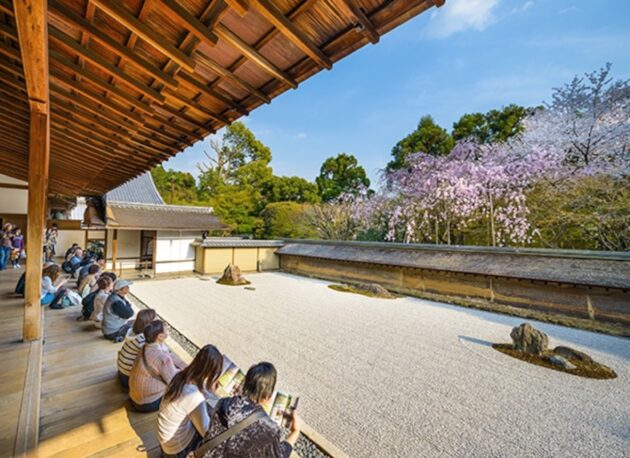
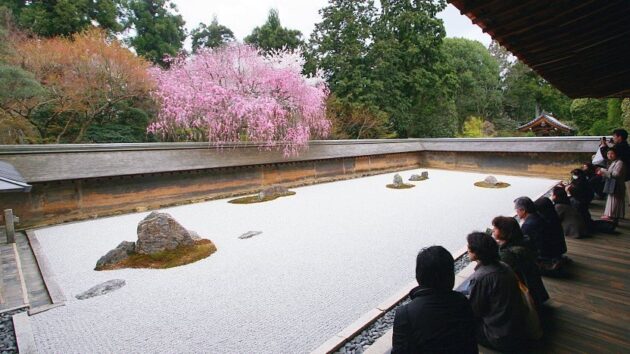
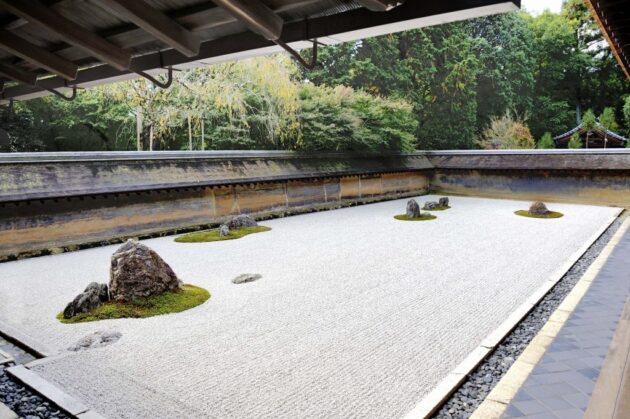
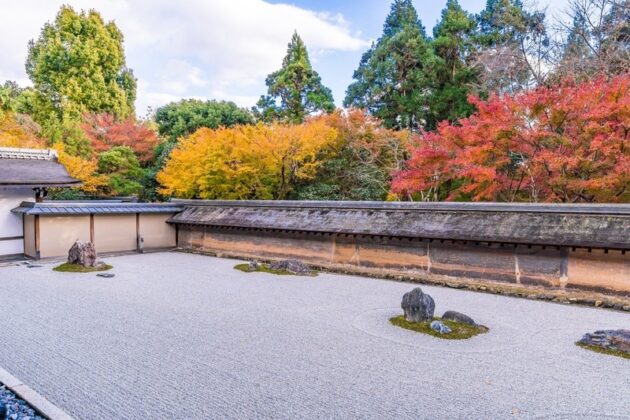
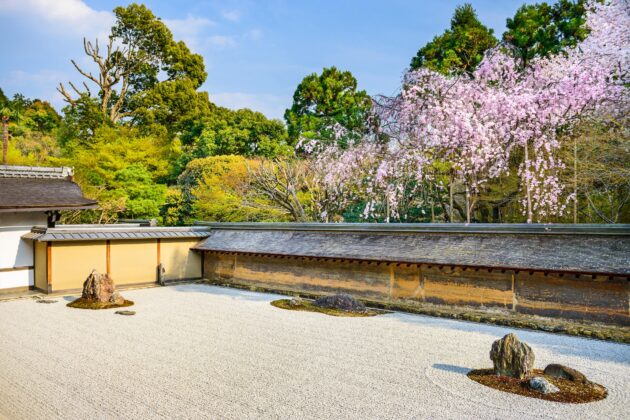
Ryoan-ji (龍安寺, Ryōan-ji), meaning “Temple of the Peaceful Dragon,” is one of Kyoto’s most iconic and serene attractions. It is world-renowned for its minimalist Zen rock garden (karesansui), a UNESCO World Heritage Site that exemplifies Japanese Zen aesthetics. The garden invites contemplation and meditation, making it a must-visit for anyone interested in Japanese culture, philosophy, or tranquil beauty.
Nijo Castle
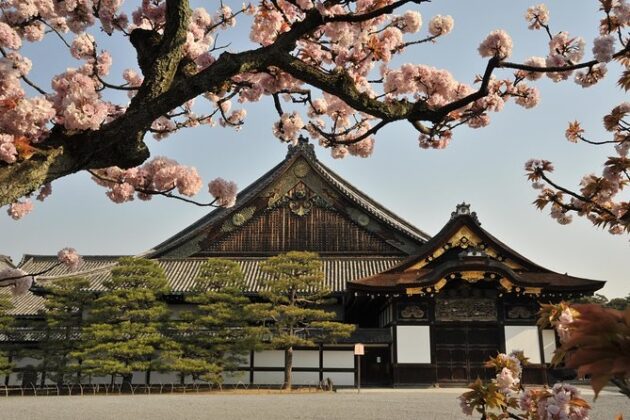
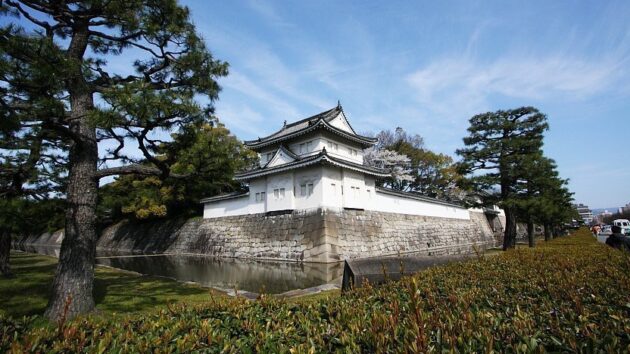
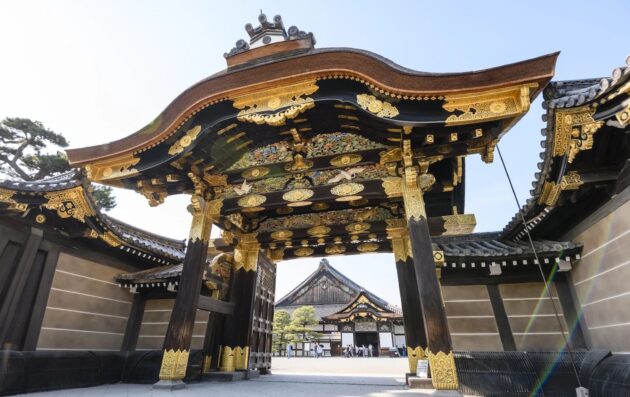
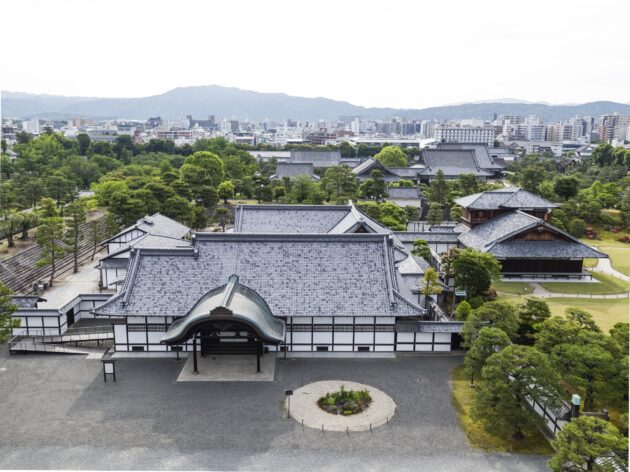
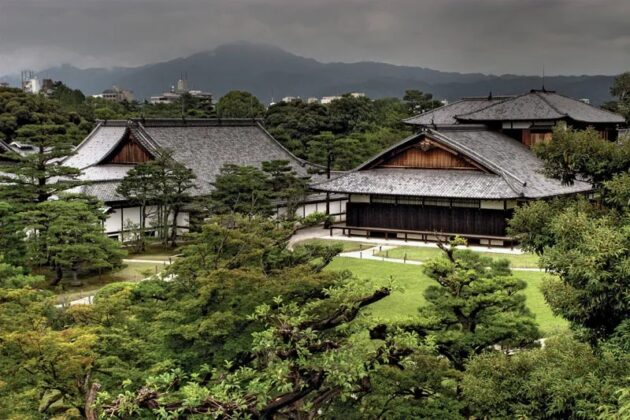
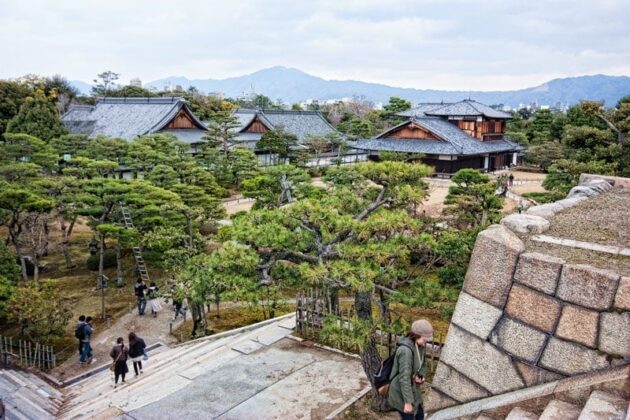
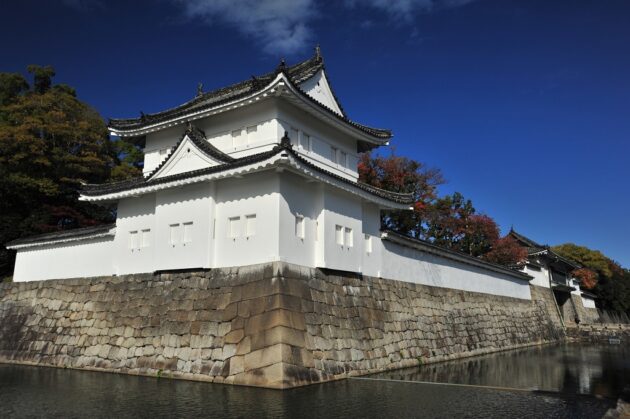
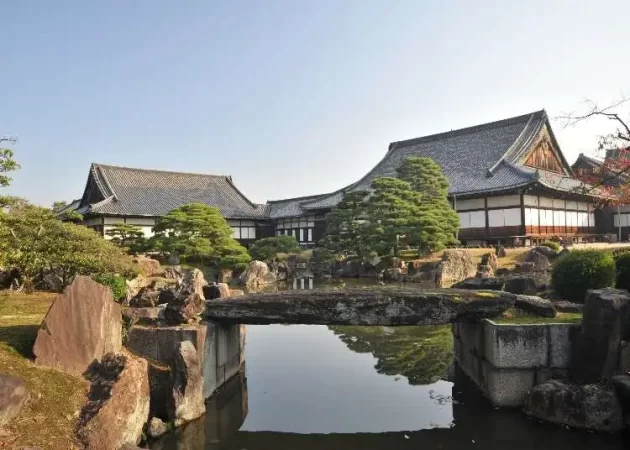
Nijo Castle is one of Kyoto’s most impressive historical sites and a UNESCO World Heritage Site. Built in 1603 by Tokugawa Ieyasu, the founder of the Tokugawa Shogunate, it served as the shogun’s official residence in Kyoto. The castle symbolizes the power and sophistication of the Edo period (1603–1868) with its blend of defensive architecture, stunning palaces, and serene gardens.
Hanami-koji
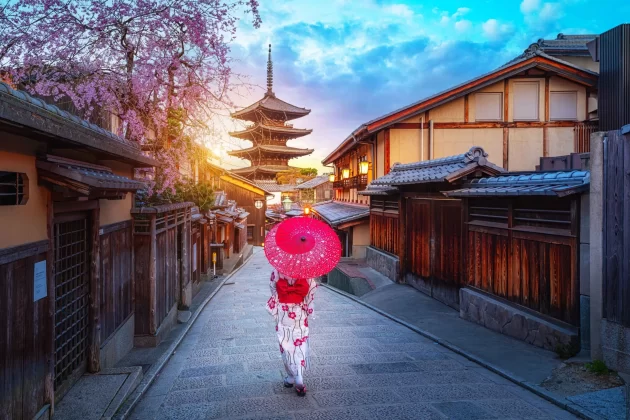
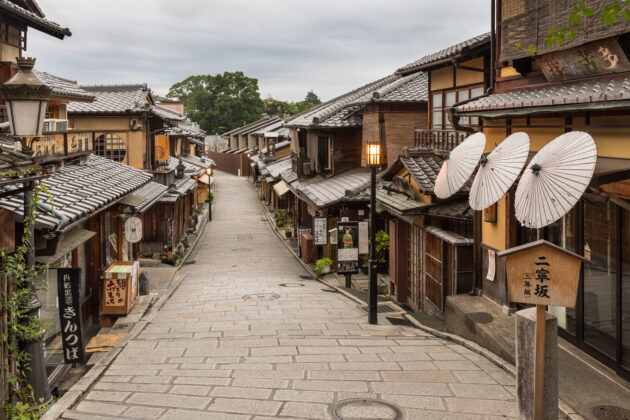
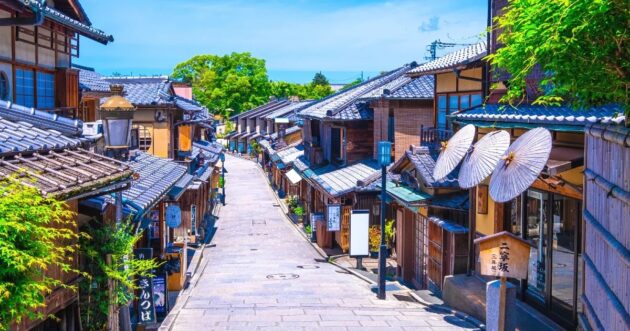
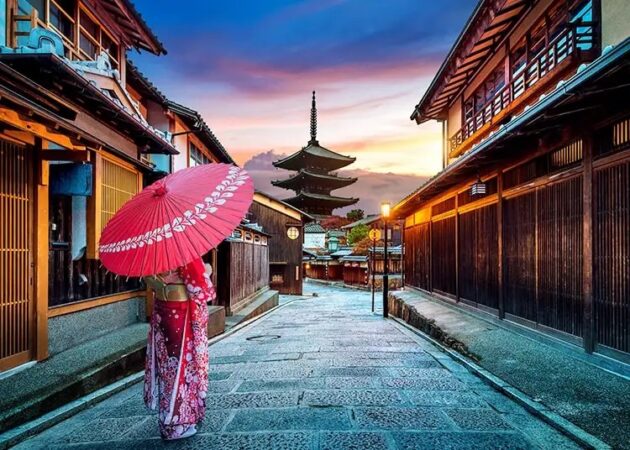
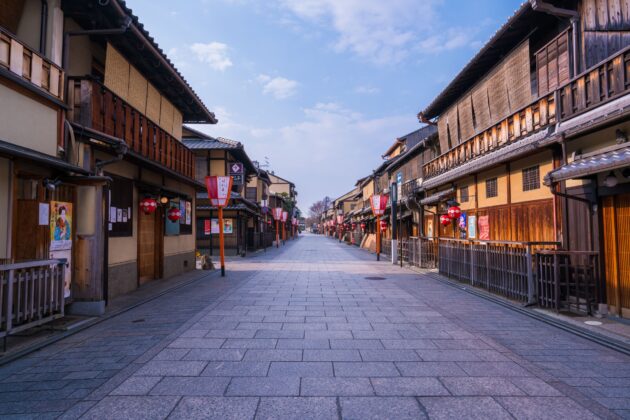
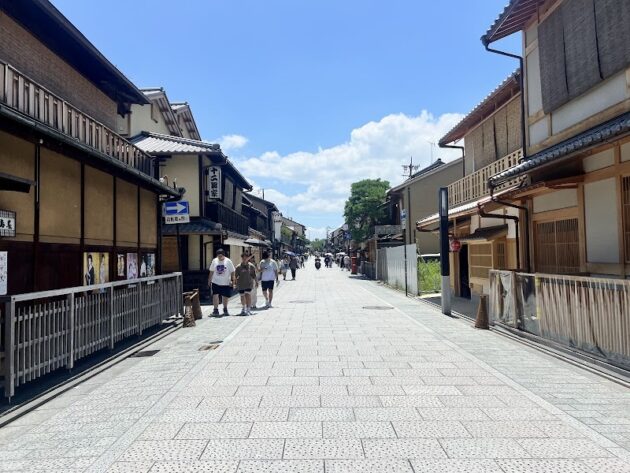
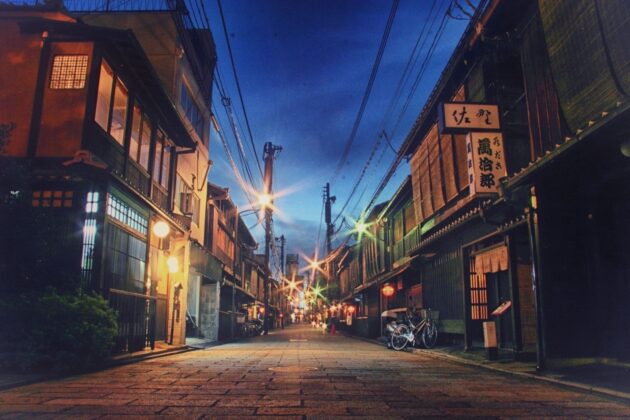
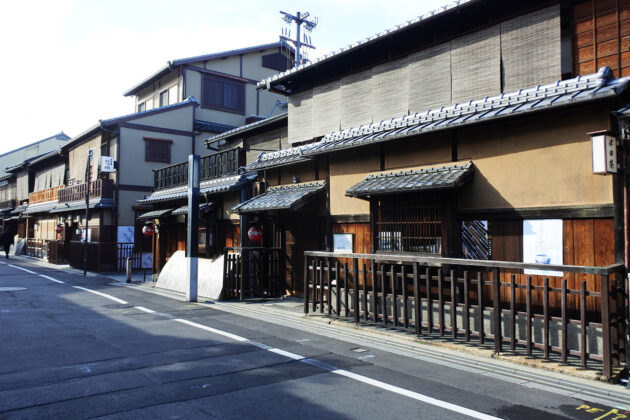
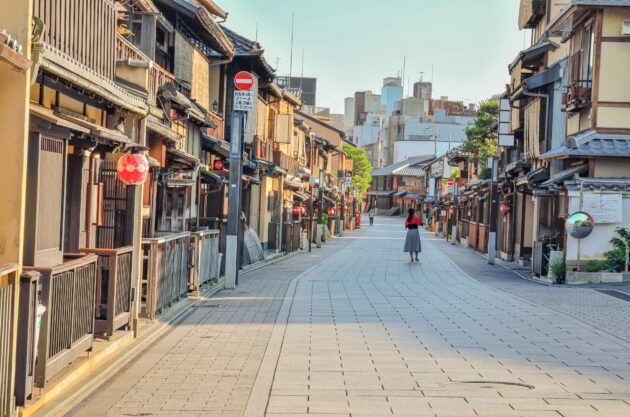
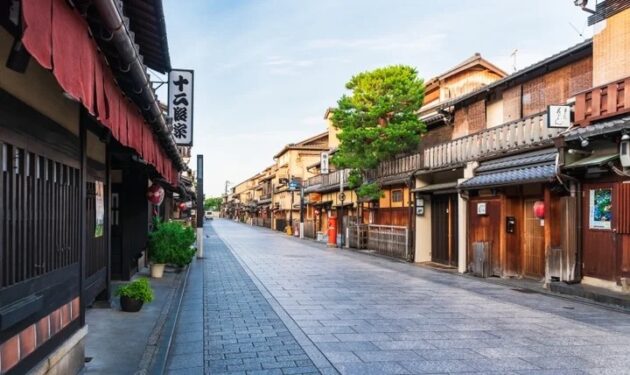
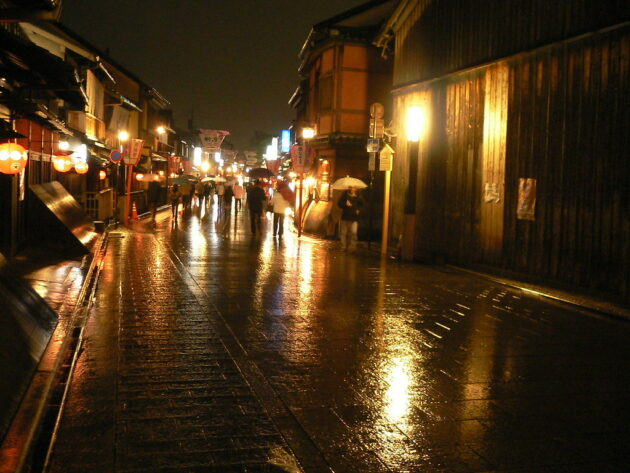
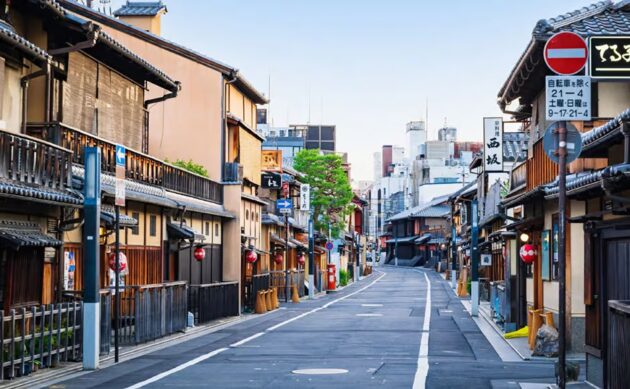
Hanami-koji, often called “Flower-Viewing Lane,” is one of the most iconic and atmospheric streets in Kyoto’s historic Gion district. Lined with traditional wooden machiya townhouses, red-latticed teahouses (ochaya), and stone-paved paths, it offers a glimpse into Kyoto’s geisha culture, preserved Edo-period charm, and refined elegance.
Pontocho
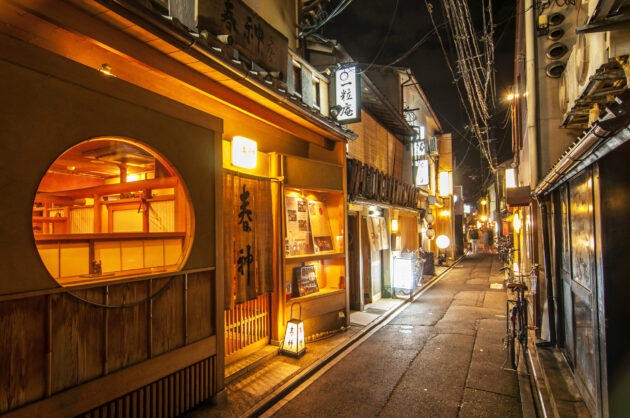
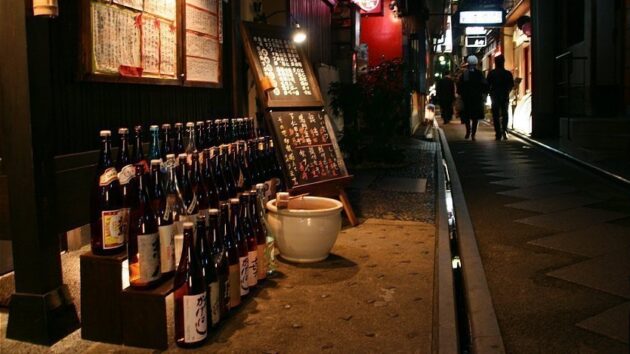
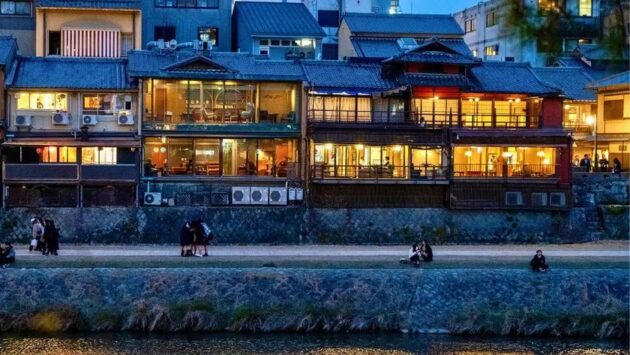
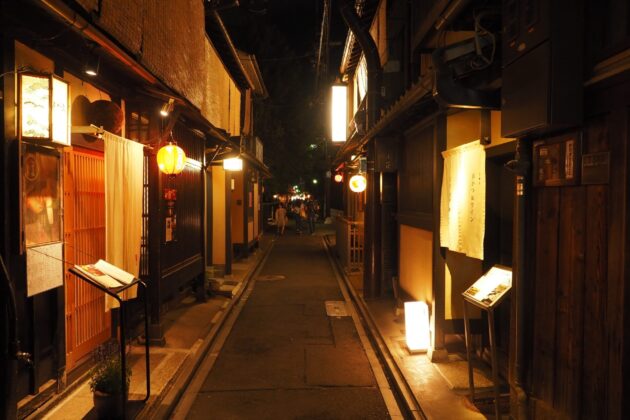
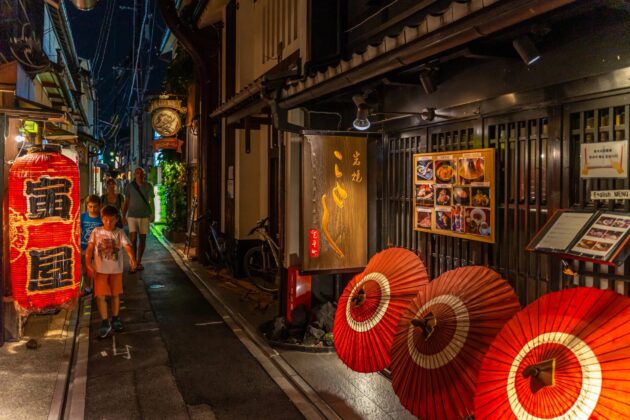
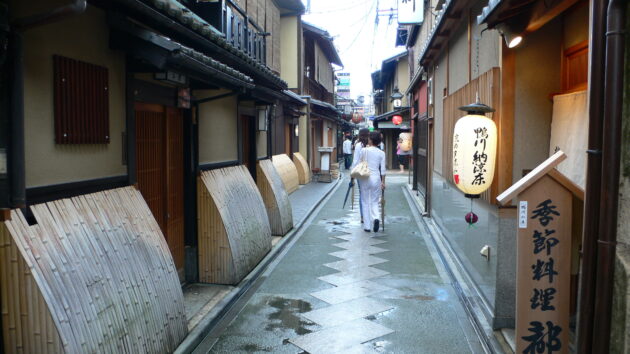
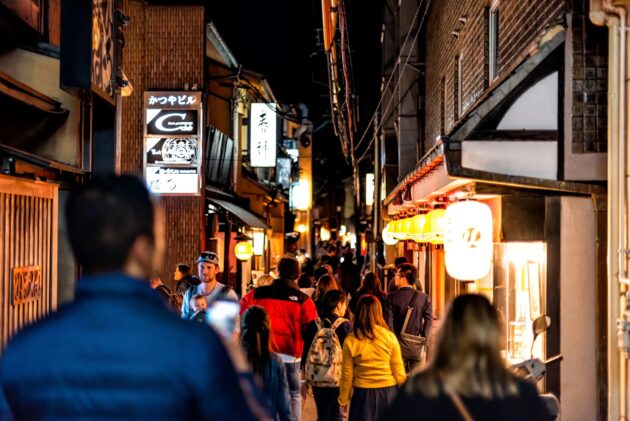
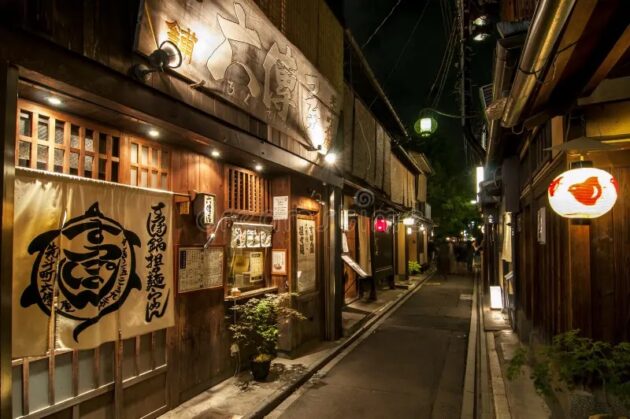
Pontocho (先斗町, Pontochō) is one of Kyoto’s most atmospheric historic districts and a premier dining and entertainment area. This narrow, lantern-lit alley runs parallel to the Kamo River (Kamogawa), one block west of it, between Shijo-dori and Sanjo-dori. It is known for its traditional wooden machiya buildings, geisha (geiko and maiko) culture, and a wide range of restaurants.
Heian-jingū Shrine
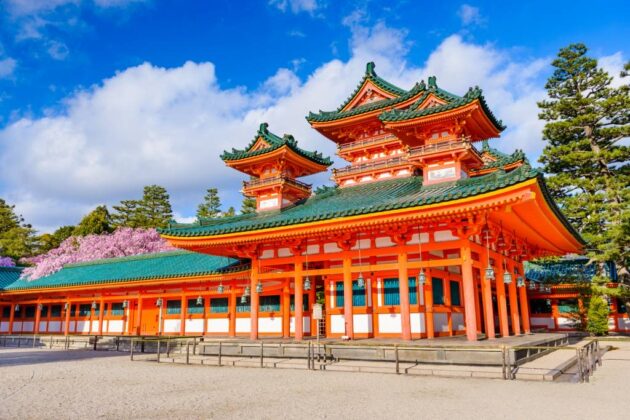
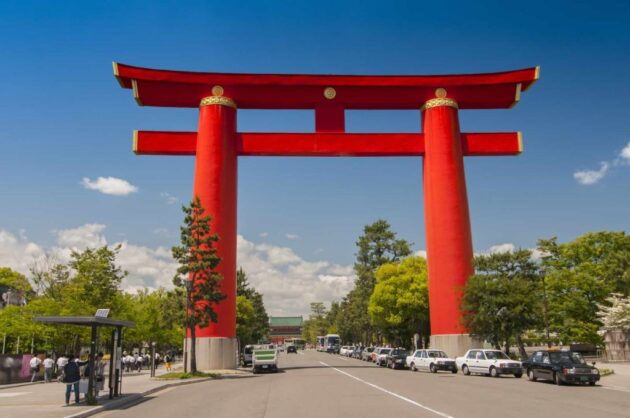
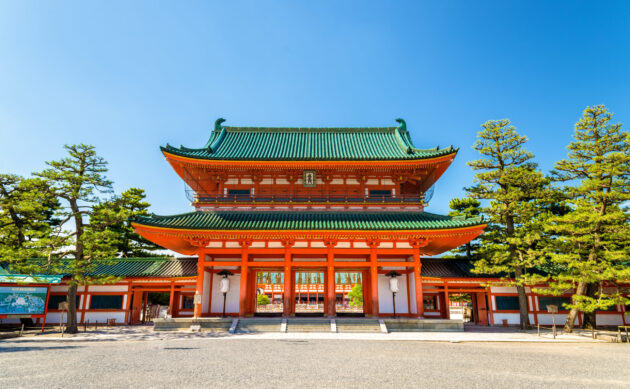
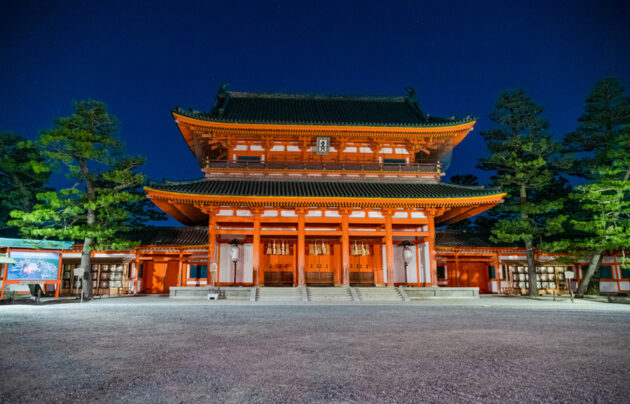
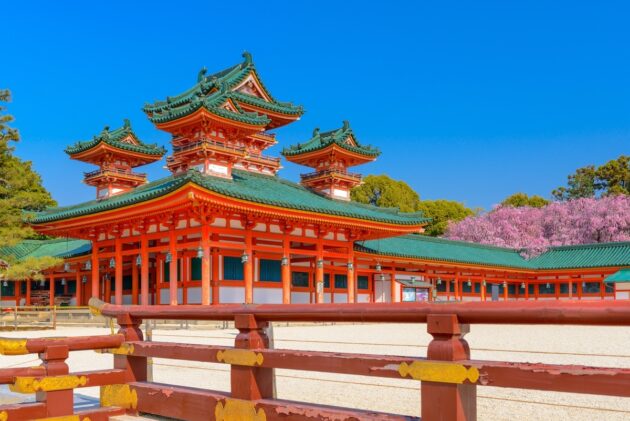
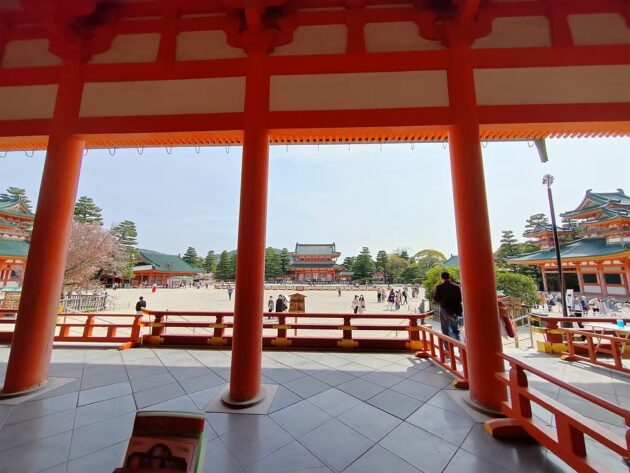
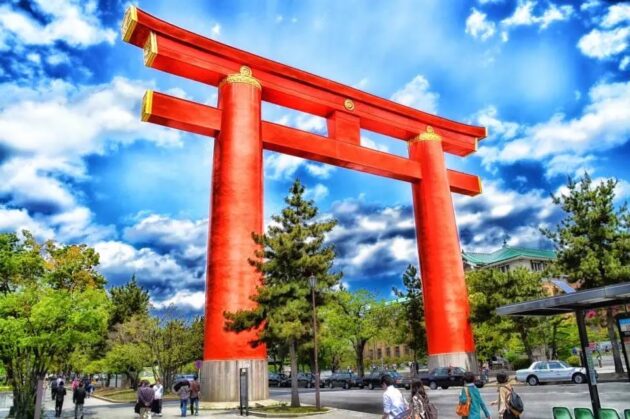
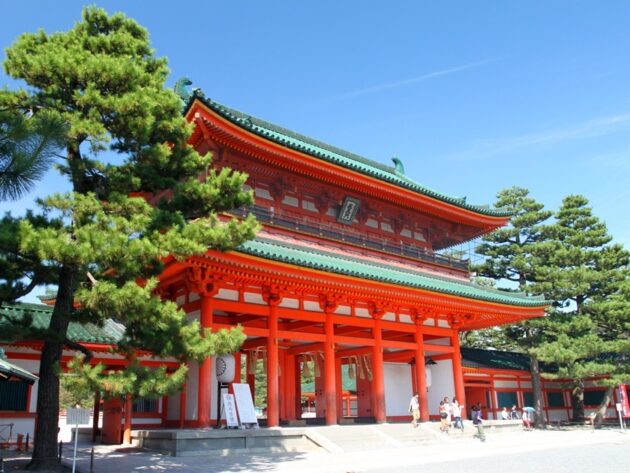
Heian-jingū Shrine is one of Kyoto’s most iconic and photogenic landmarks. Built in 1895 to commemorate the 1,100th anniversary of Kyoto’s founding as Japan’s capital, it honors Emperor Kammu (the first emperor to rule from Kyoto) and Emperor Komei (the last). Though relatively modern compared to other Kyoto temples and shrines, its grand scale, vibrant vermilion architecture, and beautiful gardens make it a must-visit.
Nanzen-ji
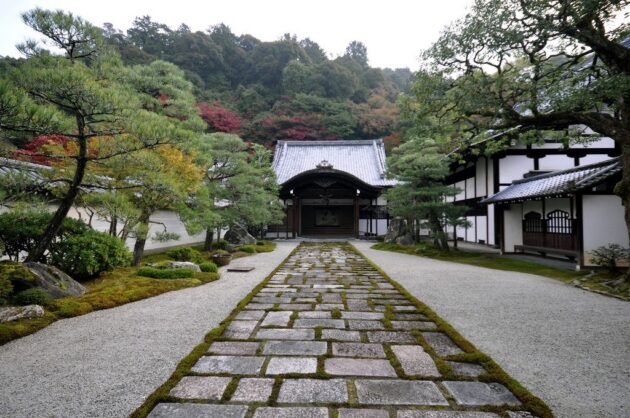
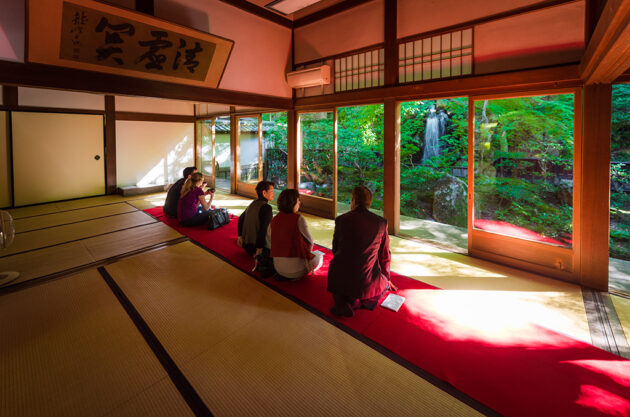
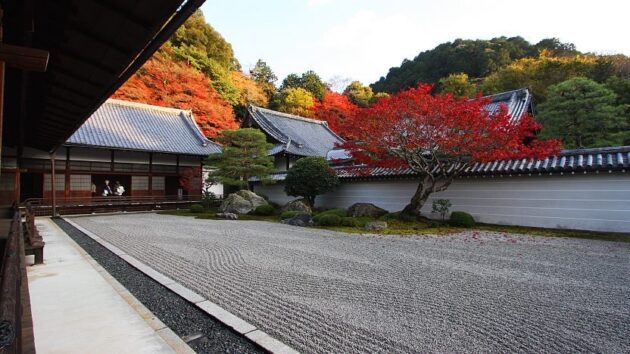
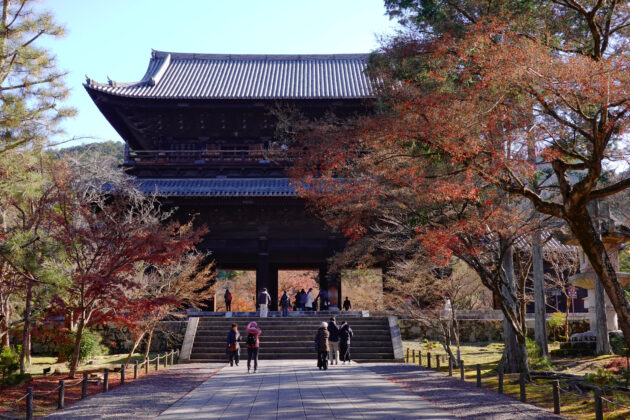
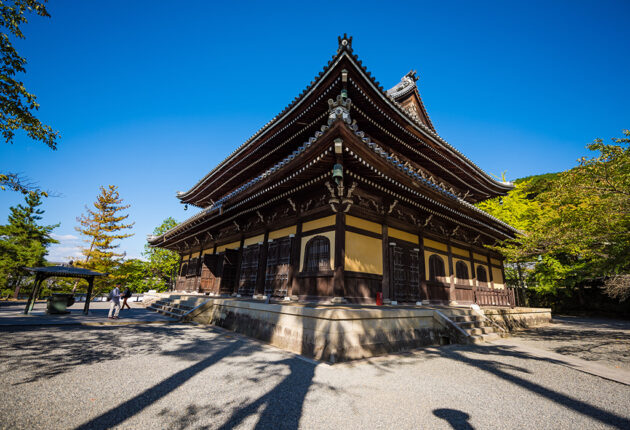
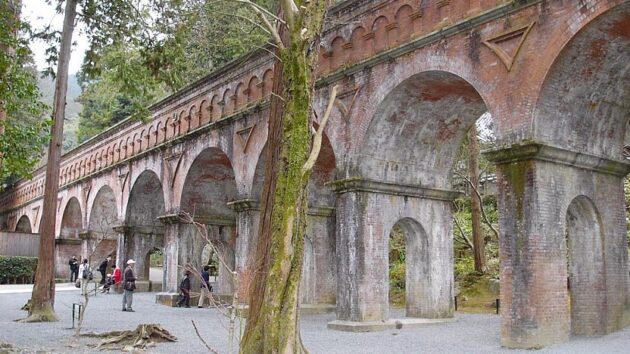
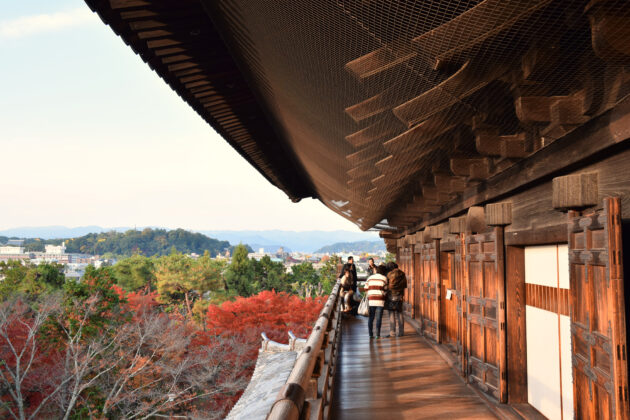
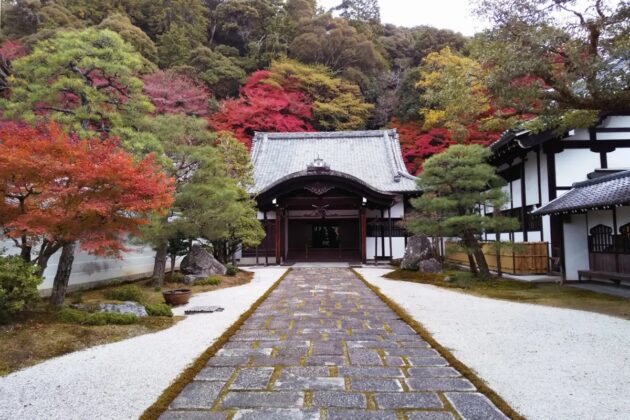
Nanzen-ji (南禅寺) is one of Kyoto’s most important and atmospheric Zen temples. Founded in 1291, it ranks as the head temple of the Nanzen-ji branch of Rinzai Zen Buddhism. The temple is famous for its majestic scale, beautiful gardens, and the striking red-brick aqueduct that runs through its grounds — a unique blend of traditional Japanese temple scenery and Meiji-era Western engineering.
Nishiki Market
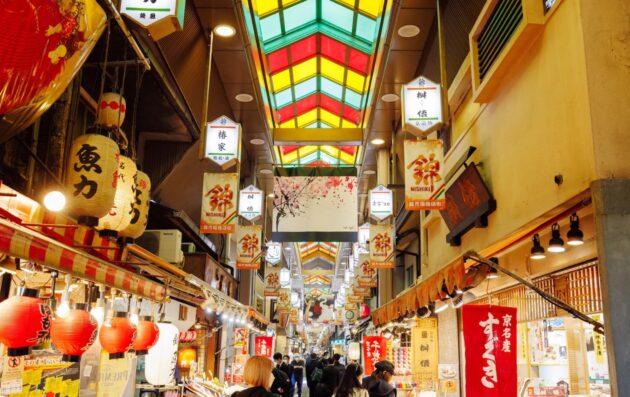
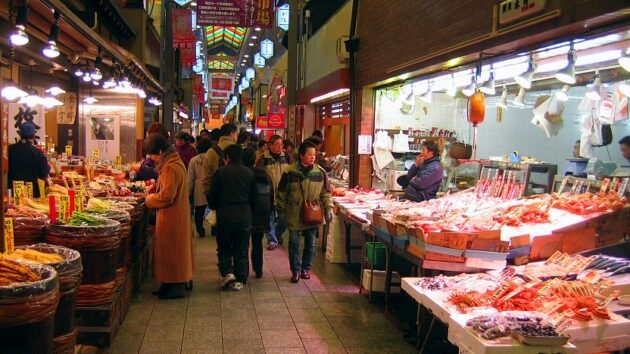
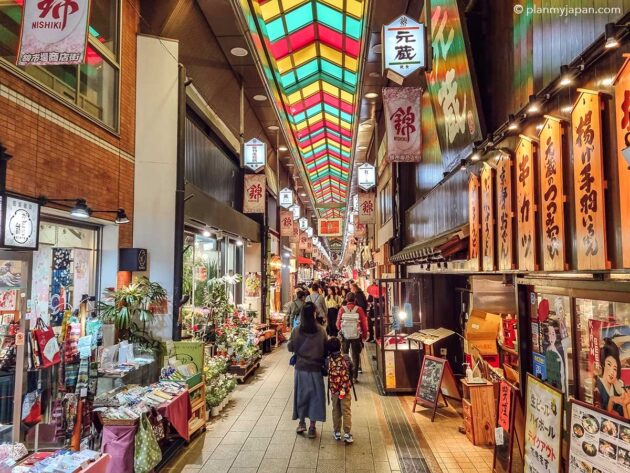
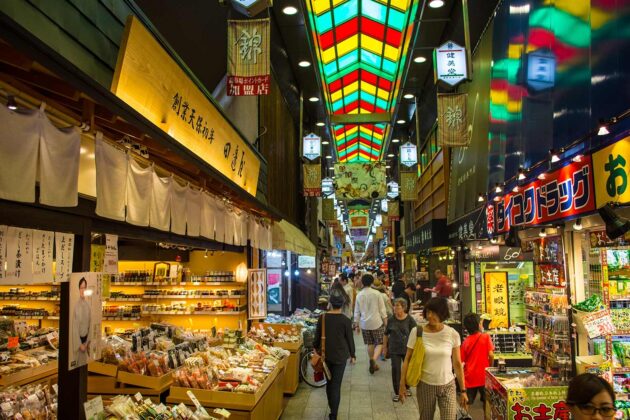
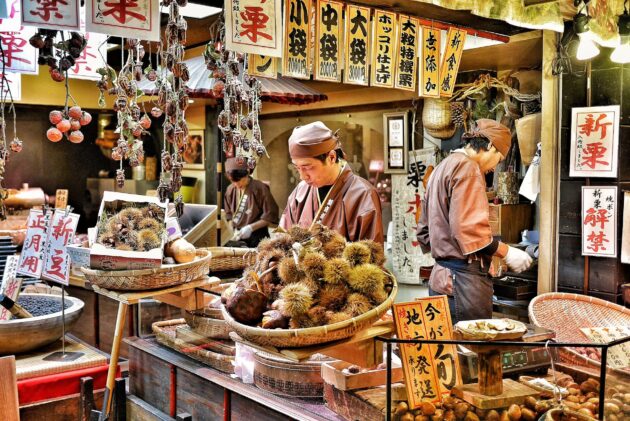
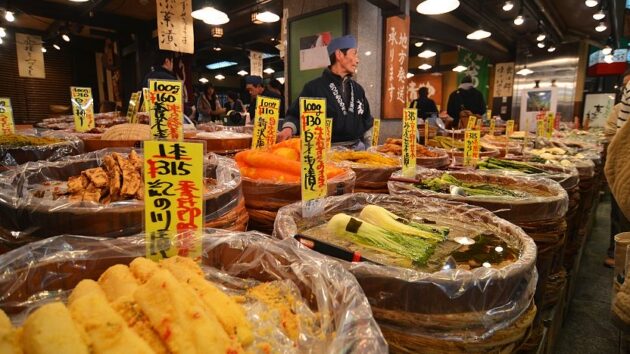
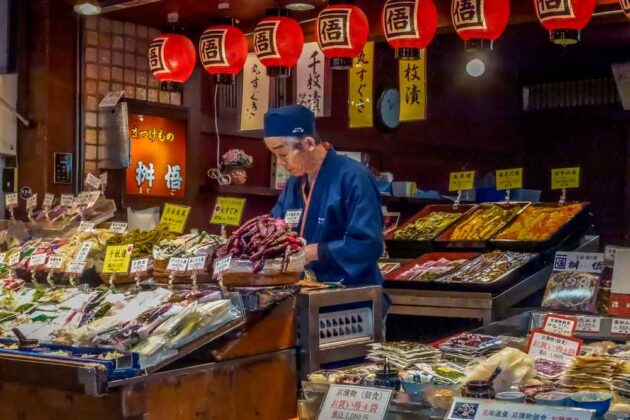
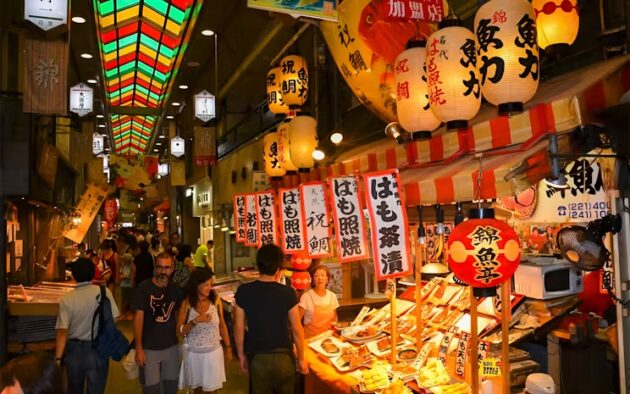
Nishiki Market (錦市場, Nishiki Ichiba), often called “Kyoto’s Kitchen,” is one of the most vibrant and historic food markets in Japan. Stretching about 390 meters (roughly 0.25 miles) through a narrow covered arcade in central Kyoto, it has been a bustling marketplace for over 400 years.
Arashiyama Bamboo Forest
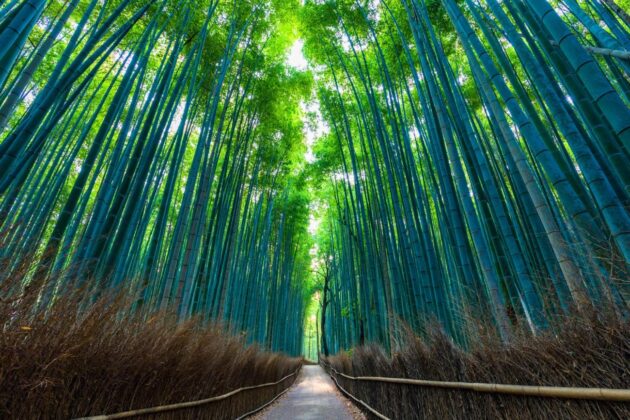
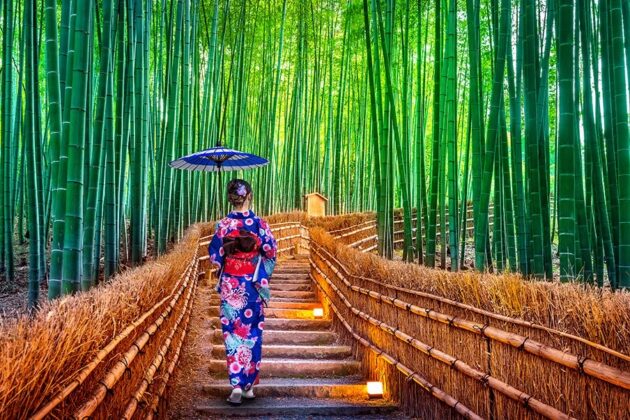
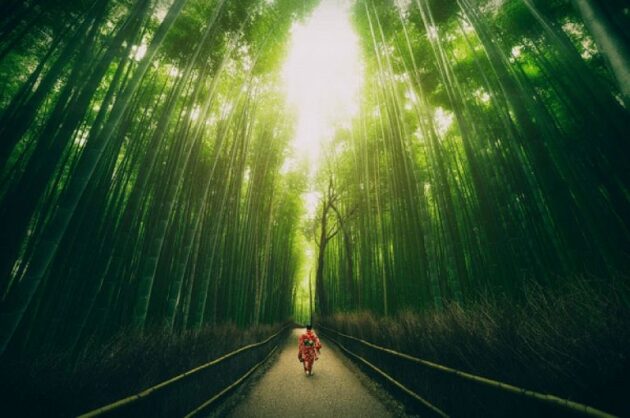
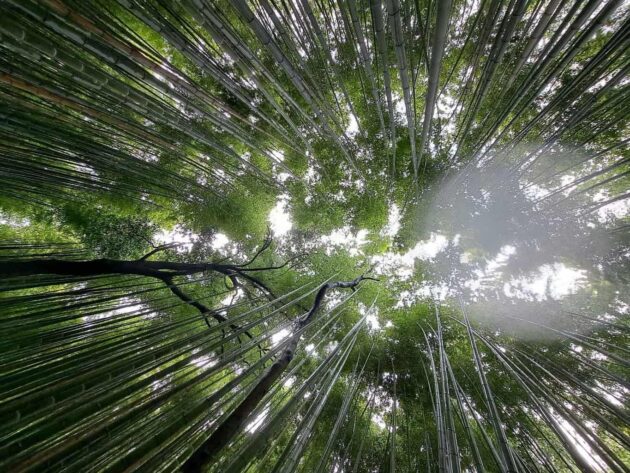
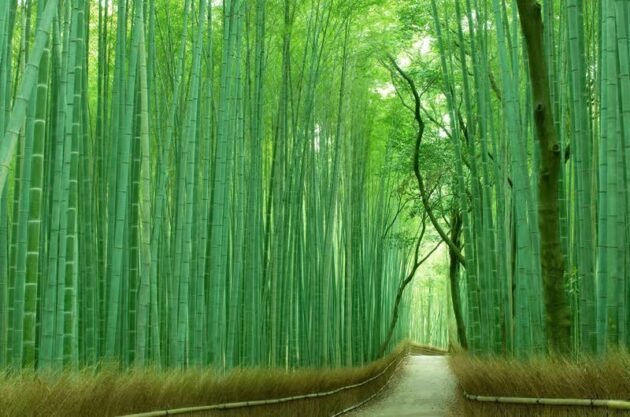
Arashiyama, located on the western outskirts of Kyoto, is one of Japan’s most iconic destinations. Its famous Arashiyama Bamboo Grove (also known as Sagano Bamboo Forest) features towering bamboo stalks that create a mesmerizing, ethereal tunnel of green. The swaying canes and dappled sunlight make it a photographer’s dream and a peaceful escape, though it gets very crowded midday.
Biwako Terrace
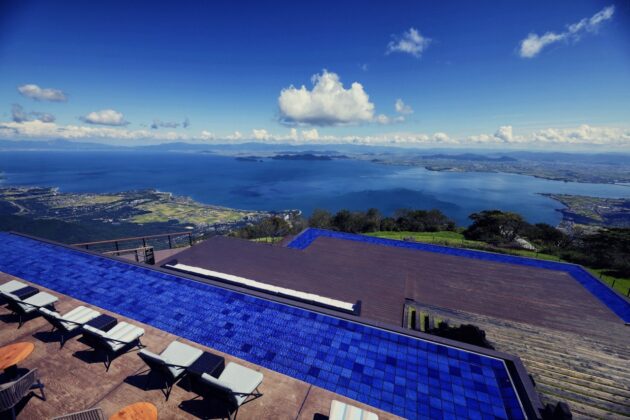
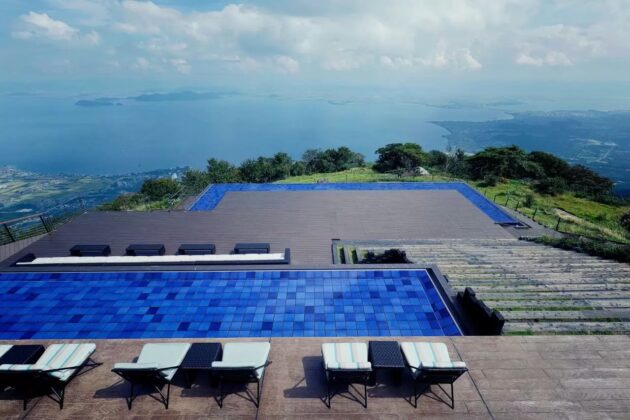
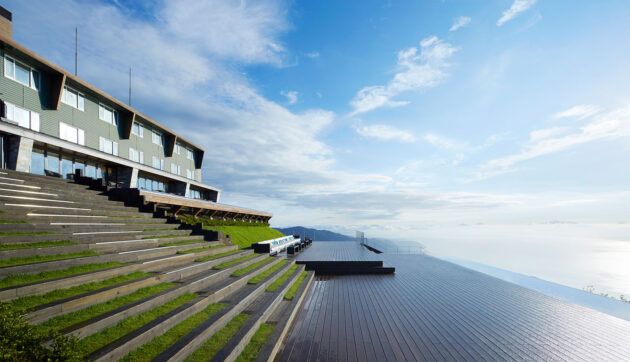
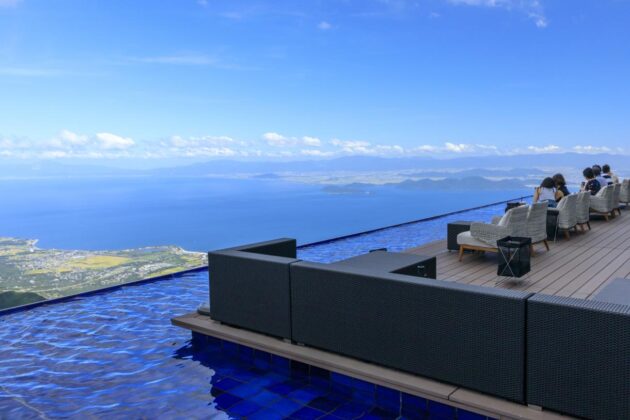
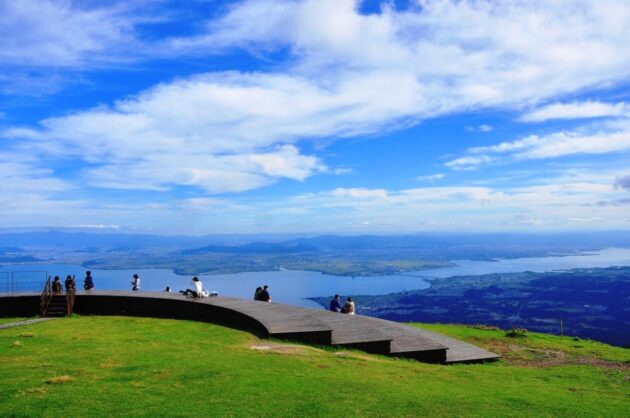
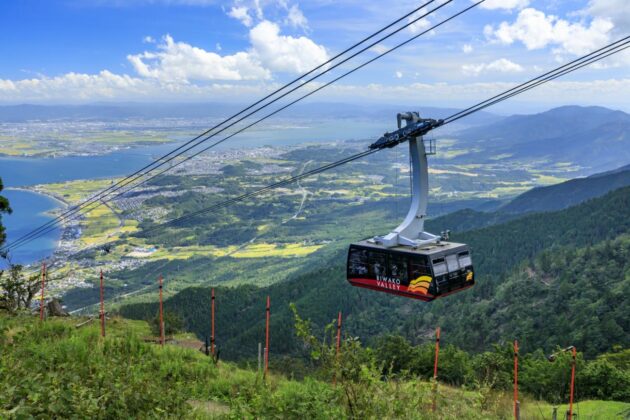
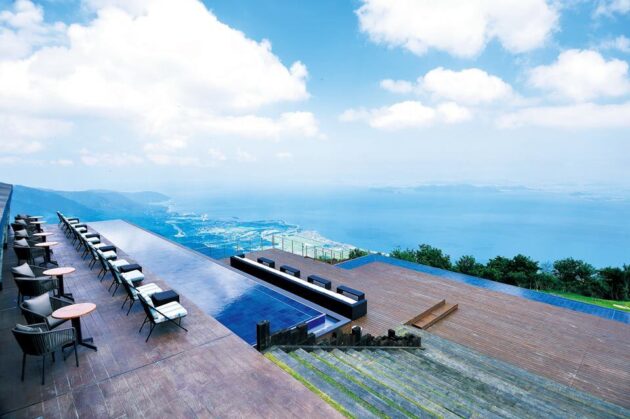
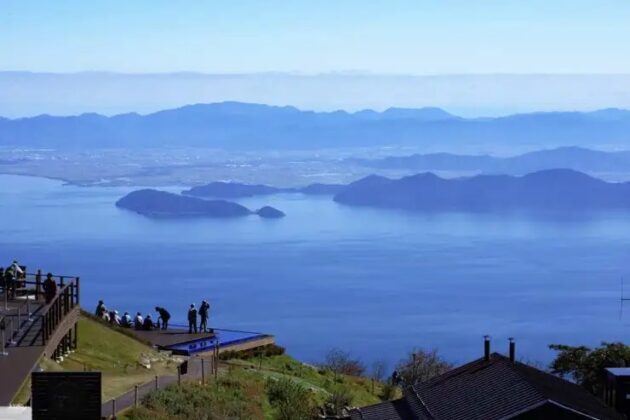
Biwako Terrace (びわ湖テラス) is a breathtaking mountaintop observation area at Biwako Valley in Otsu City, Shiga Prefecture. Perched at about 1,100–1,108 meters above sea level on Mount Uchimi, it offers panoramic, often infinity-edge views over Lake Biwa, Japan’s largest lake.
Food & Dining
Kyoto is a food lover’s paradise with refined kaiseki (multi-course seasonal meals), but also street food delights:
Must-try: Kaiseki, yudofu (tofu hot pot), matcha sweets, yatsuhashi (cinnamon sweets), tempura, and obanzai (home-style dishes).
Markets: Nishiki Market and Gion for street eats.
Restaurants: Try Gion for upscale experiences or budget izakayas and ramen shops near Kyoto Station.
Vegetarian/Vegan Note: Kyoto has excellent options due to its Buddhist heritage (many temple restaurants serve shojin ryori).
Transportation in Kyoto
Bus: The best way to get around. Buy a Kyoto City Bus Pass (1-day or multi-day).
Train/Subway: Useful for longer distances (JR, Keihan, Hankyu lines).
Taxi: Convenient for small groups, especially in the evening.
Bicycle Rental: Great for exploring flat areas like Arashiyama or the city center.
Walking: Many areas (Higashiyama, Arashiyama) are best explored on foot.
Accommodation Recommendations
Luxury: The Ritz-Carlton Kyoto, Four Seasons Kyoto, or traditional ryokans (e.g., Hiiragiya or Tawaraya).
Mid-range: Hotels near Kyoto Station or Gion.
Budget: Hostels and guesthouses in Higashiyama or near universities.
Unique: Stay in a machiya (traditional townhouse) for an authentic experience.
Booking tip: Book ryokans and popular hotels 3–6 months in advance, especially during peak seasons.
Practical Tips
Etiquette: Remove shoes when entering temples/homes. Be quiet on public transport. Follow photography rules (no photos inside some temples).
Crowds: Visit popular spots early morning or late afternoon.
Money: Many temples and small shops are cash-only. ATMs at 7-Eleven are reliable.
Language: English is limited outside tourist areas. Use Google Translate or a pocket translator.
Wi-Fi: Free in most tourist spots and hotels. Consider a pocket Wi-Fi or eSIM.
Safety: Kyoto is very safe, even at night.
Day Trips from Kyoto
Nara (45 min): Ancient capital with free-roaming deer.
Osaka (30 min): Food capital and vibrant nightlife.
Himeji (1 hour): Spectacular white castle.
Lake Biwa or Otsu for nature escapes.
Final Thoughts
Kyoto rewards slow travel — take your time wandering side streets, sitting in gardens, and soaking in the atmosphere. Whether you’re here for history, food, nature, or spirituality, the city leaves a lasting impression.