
India Travel Guide (2026)
India is a vibrant, chaotic, and endlessly fascinating country that offers something for every traveler. From the iconic Taj Mahal and bustling cities to serene backwaters, Himalayan peaks, and golden beaches, this vast nation blends ancient history, rich culture, spiritual traditions, and stunning natural beauty. With over 1.4 billion people and incredible diversity across its regions, India can feel overwhelming at first—but with proper planning, it becomes one of the most rewarding destinations on Earth.
Why Visit India?
India is a sensory explosion: colorful festivals, aromatic spices, ancient temples, wildlife safaris, and warm hospitality. Whether you’re seeking history (Golden Triangle), relaxation (Kerala or Goa), adventure (Himalayas or Ladakh), or spirituality (Varanasi or Rishikesh), the country delivers unforgettable experiences. It’s also surprisingly affordable once you arrive, making it ideal for extended trips.
Best Time to Visit
The best overall time to visit India is from October to March (winter/post-monsoon season). During these months, most regions enjoy pleasant, dry weather with clear skies—perfect for sightseeing, festivals, and outdoor activities.
Peak Season (Nov–Feb): Cool and comfortable in the north; book early for popular spots like Rajasthan and the Taj Mahal.
Shoulder Months (Oct & Mar): Fewer crowds and slightly lower prices; great for festivals like Diwali (Oct/Nov) or Holi (Mar).
South India & Beaches: October–April works well for Kerala and Goa.
Avoid: April–June (extreme heat in the north) and July–September (monsoon rains, though lighter in some areas and good for greenery in the south or mountains).
Weather varies hugely by region—Himalayas can be snowy, while the south remains tropical.
Visa Requirements
Most travelers, including US citizens, need a visa. The convenient e-Tourist Visa is available online for short stays (up to 30 days, with options for 1-year or 5-year multiple entries). Apply at least 4 days before travel via the official Indian government portal.
Passport must be valid for at least 6 months beyond your arrival date with 2 blank pages.
Fees vary (e.g., around US$25 for 30-day e-Visa, cheaper in April–June).
Check the latest on the official site, as rules can update. Yellow fever vaccination proof is required if coming from an affected area.
How to Get There & Getting Around
International Flights: Major hubs include Delhi (DEL), Mumbai (BOM), Bengaluru (BLR), and Chennai (MAA). Direct flights from the US, Europe, and Asia are plentiful.
Domestic Travel: Flights: Affordable and fast for long distances (use IndiGo, Air India, or SpiceJet). Trains: Iconic and scenic—book sleeper or AC classes in advance via IRCTC or apps like 12Go. Buses & Taxis: Reliable private operators or apps like Ola/Uber in cities; hire a driver with car for multi-day trips.
Tip: For first-timers, consider a private driver or small-group tour for the Golden Triangle to reduce stress.
Top Destinations & Things to Do
Delhi
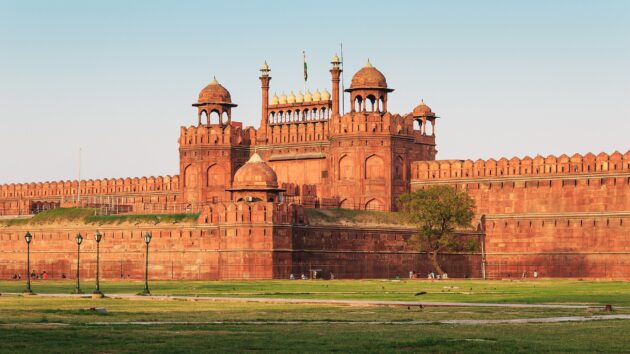
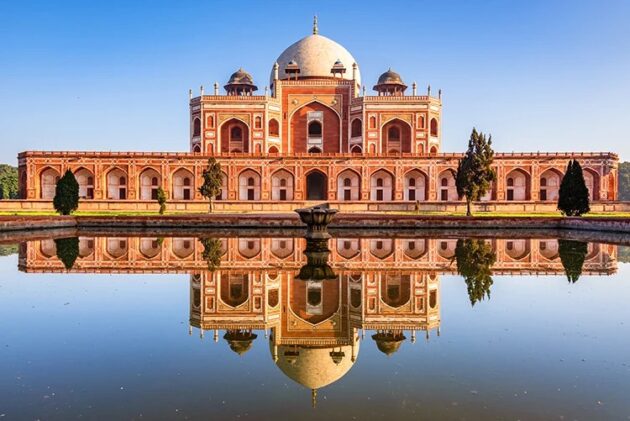
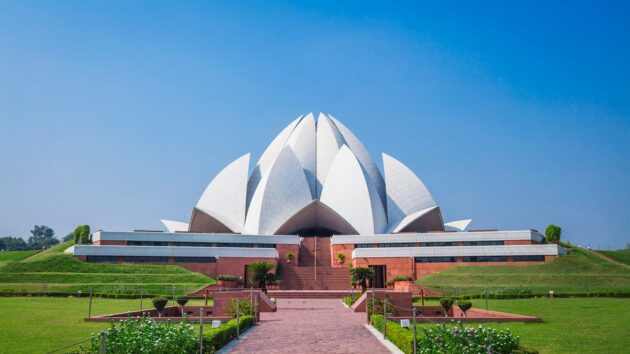
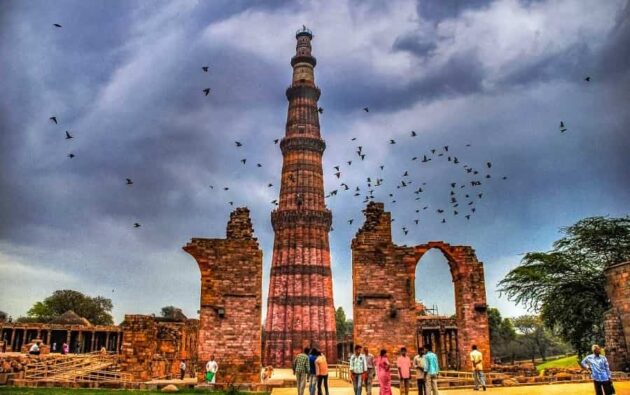
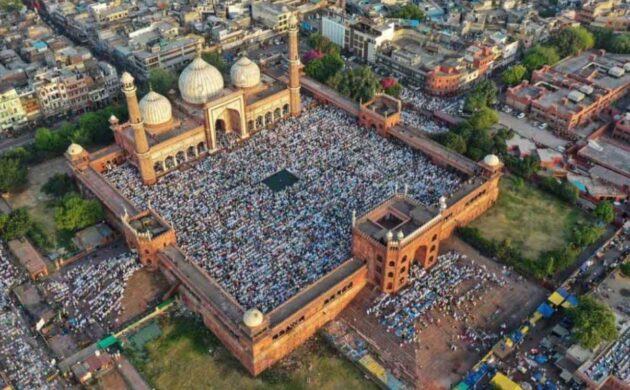
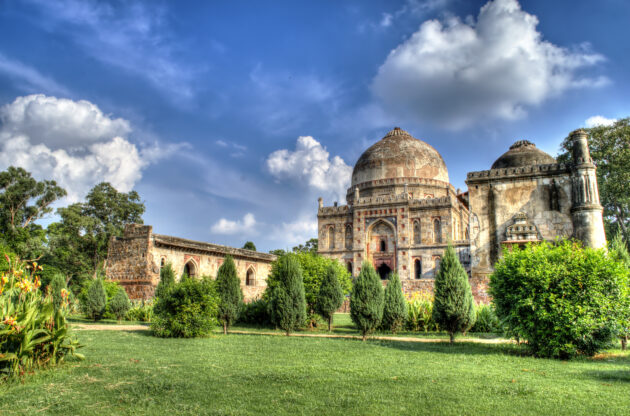
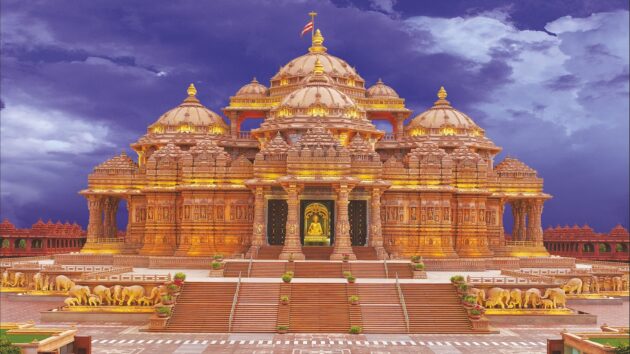
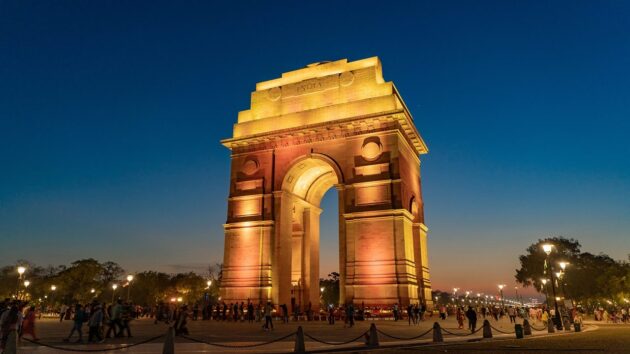
Delhi, the vibrant capital of India, is a city where ancient history collides with modern energy. Home to over 20 million people, it seamlessly blends Mughal-era monuments, bustling bazaars, serene temples, and British colonial architecture. As the starting point for many travelers exploring the Golden Triangle (Delhi–Agra–Jaipur), Delhi offers a chaotic yet captivating introduction to India’s rich culture, cuisine, and heritage.
Agra
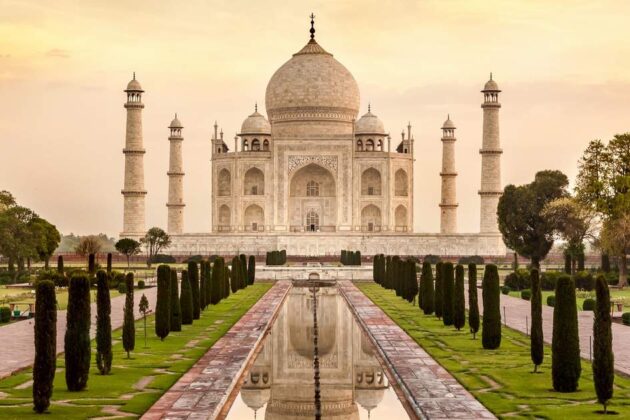
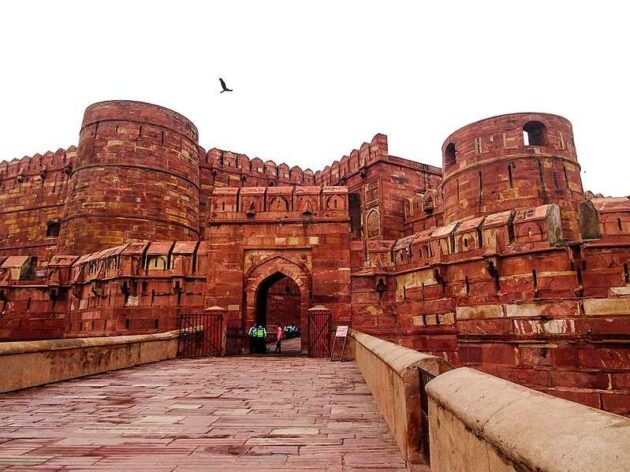
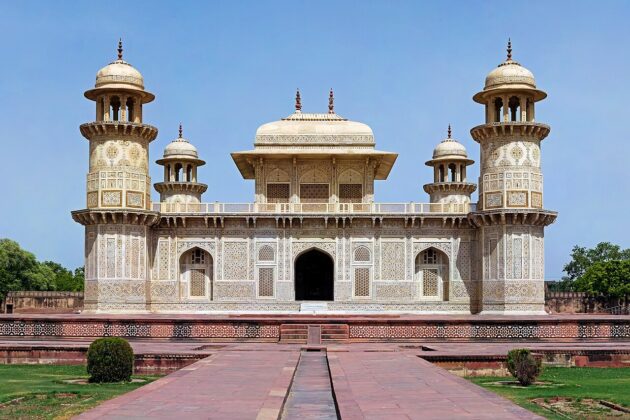
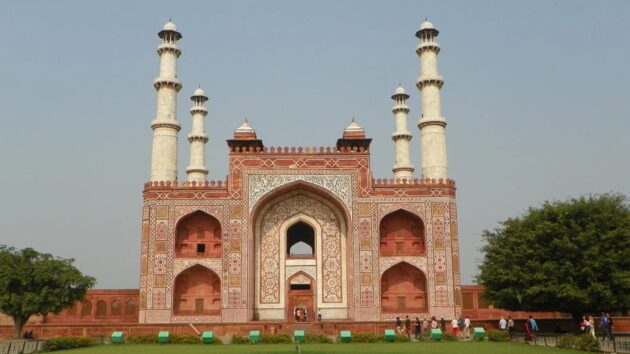
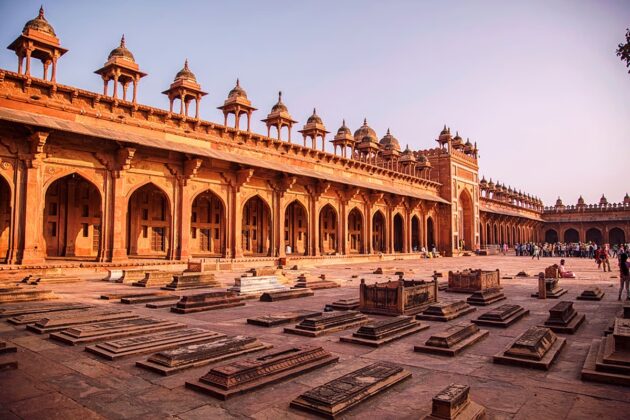
Agra, located in the northern Indian state of Uttar Pradesh, is world-famous as the home of the Taj Mahal, one of the New Seven Wonders of the World. Built in the 17th century by Mughal Emperor Shah Jahan as a mausoleum for his beloved wife Mumtaz Mahal, the Taj Mahal is an architectural masterpiece of white marble that draws millions of visitors each year. But Agra offers far more than just this iconic monument—it is a key stop on India’s Golden Triangle (Delhi–Agra–Jaipur) and boasts rich Mughal history, impressive forts, gardens, and vibrant local culture.
Jaipur
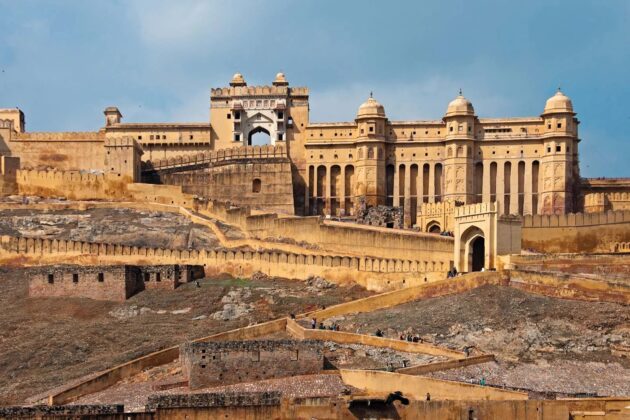
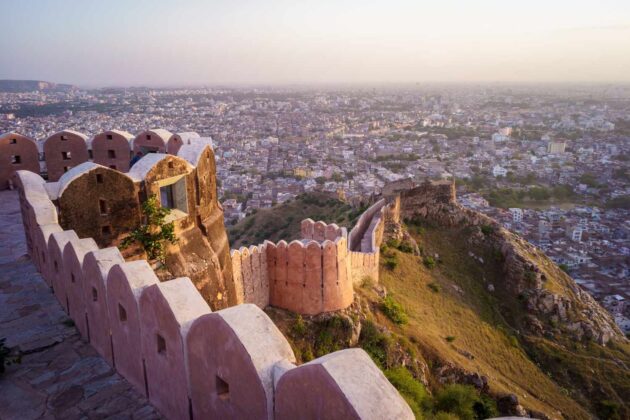
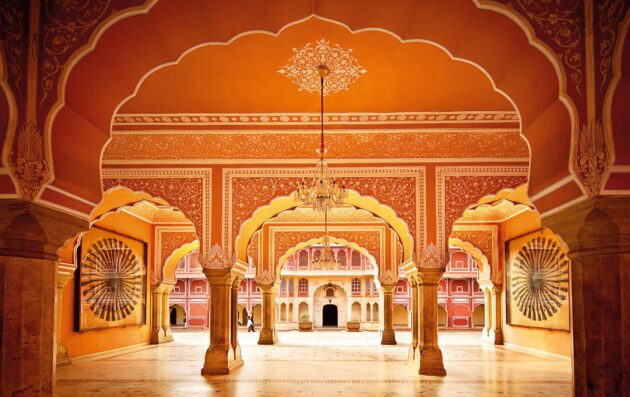
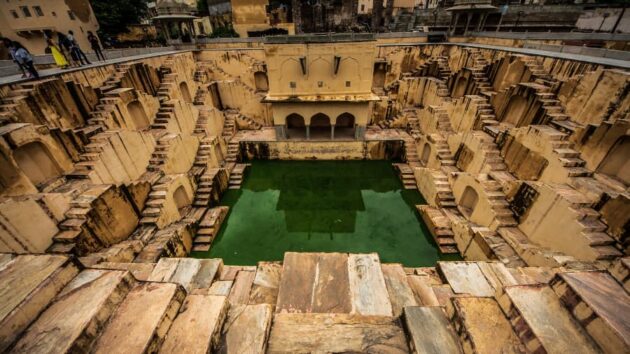
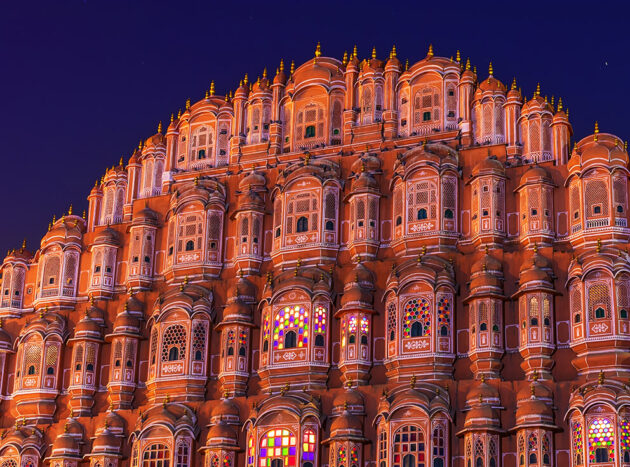
Classic starter route: Explore Delhi’s Red Fort, Qutub Minar, and bustling markets; marvel at the Taj Mahal at sunrise in Agra; wander pink-hued forts and palaces in Jaipur, Rajasthan.
Udaipur (City of Lakes)
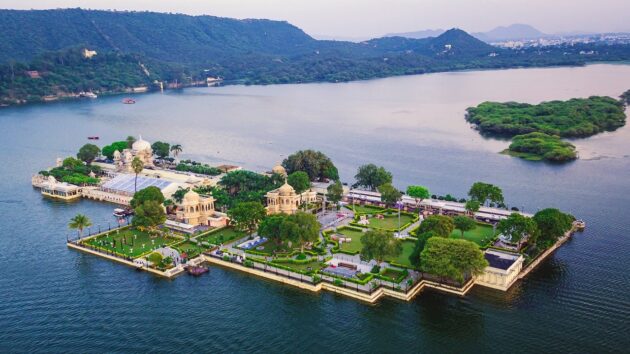
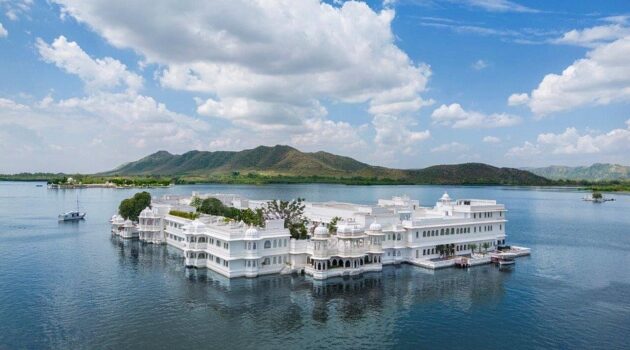
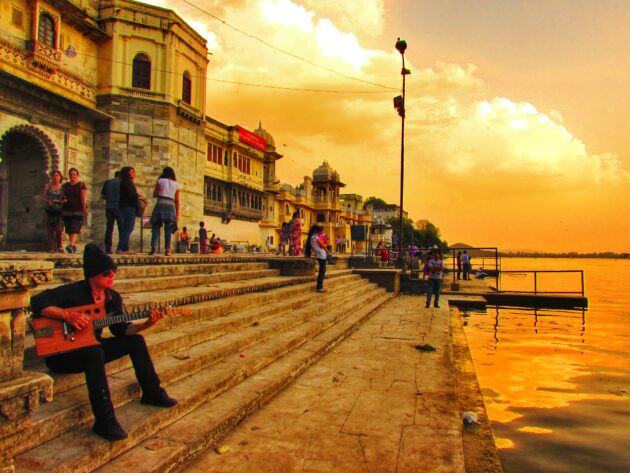
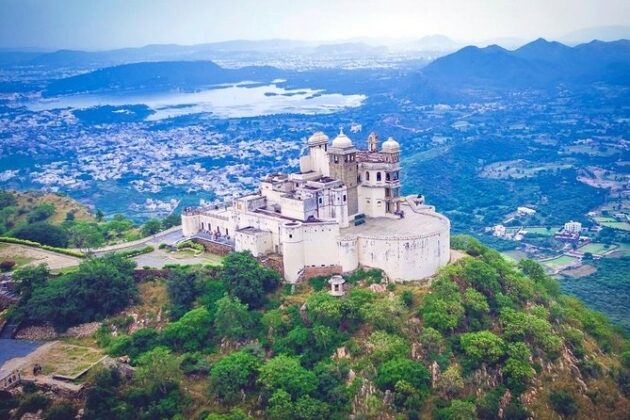
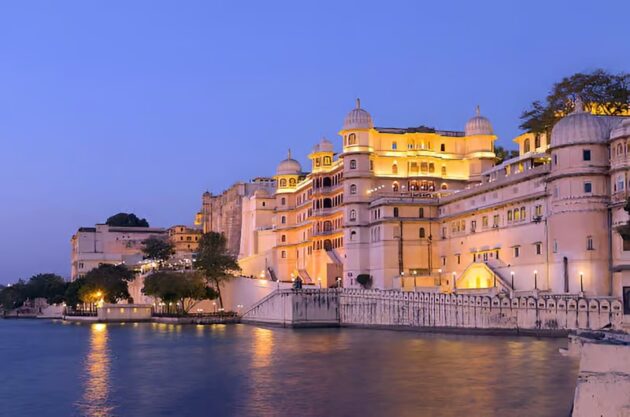
Udaipur, often called the “Venice of the East” or the “City of Lakes”, is one of India’s most romantic and picturesque destinations. Nestled in the Aravalli Hills of Rajasthan, this historic city is famous for its shimmering lakes, grand palaces, vibrant culture, and enchanting sunsets. Founded in 1559 by Maharana Udai Singh II, Udaipur offers a perfect blend of royal heritage, serene landscapes, and lively bazaars.
Jodhpur (Blue City)
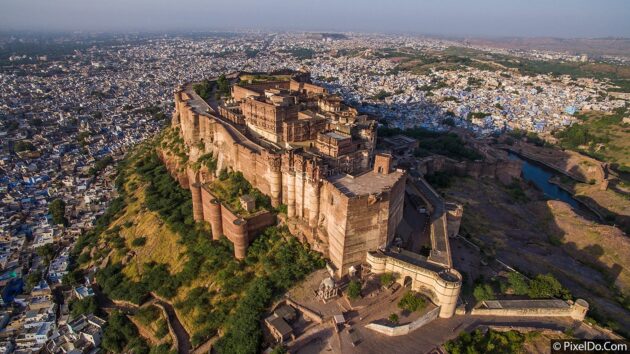
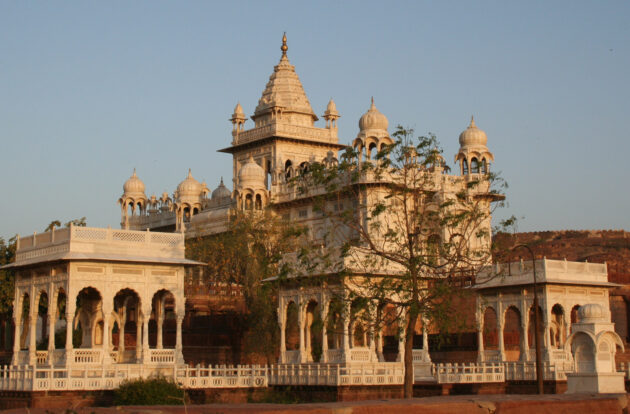
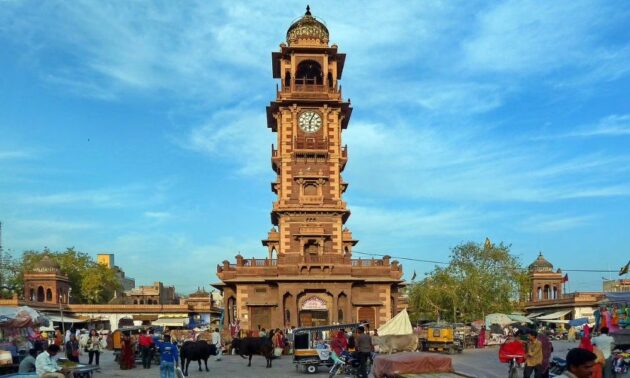
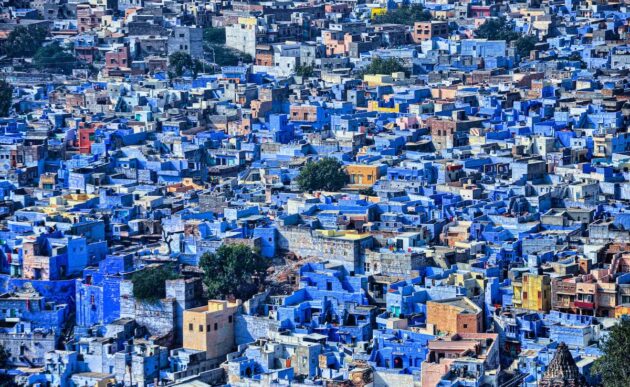
Jodhpur, known as the Blue City of Rajasthan, is a vibrant desert destination famous for its indigo-painted old city houses, imposing forts, and royal heritage. Nestled at the edge of the Thar Desert, this historic city offers a perfect blend of majestic architecture, bustling bazaars, and stunning sunsets over the blue-hued rooftops. As Rajasthan’s second-largest city, Jodhpur serves as an excellent base for exploring the region’s forts, palaces, and desert culture.
Jaisalmer (desert camel safaris)
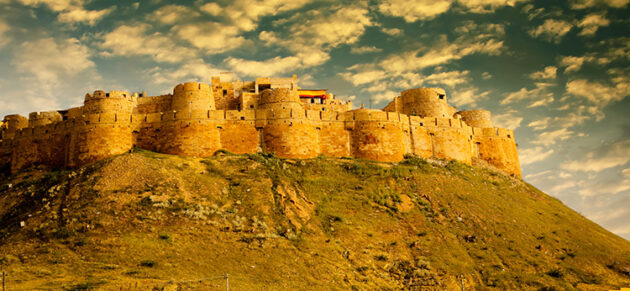
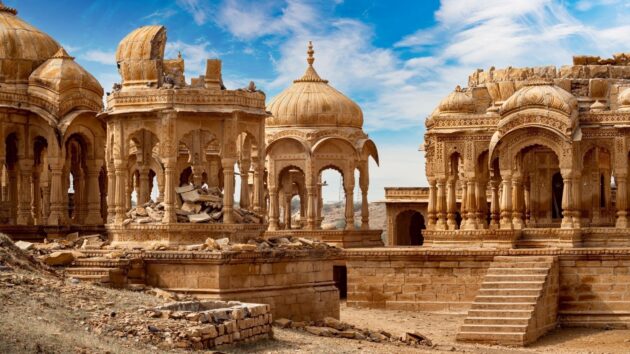
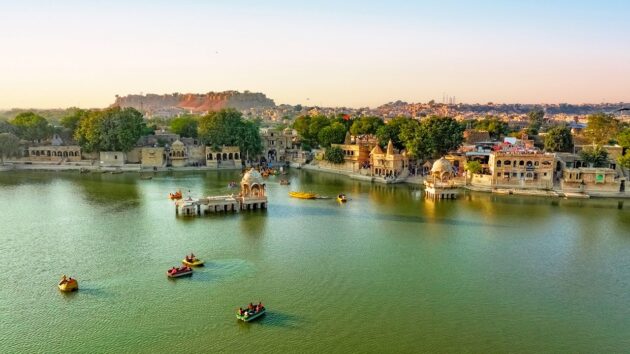
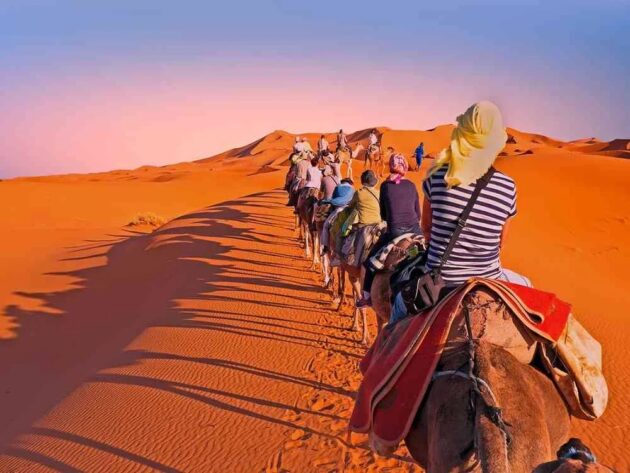
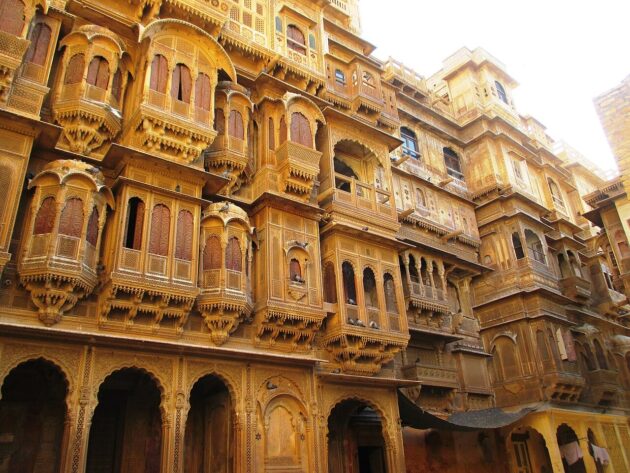
Jaisalmer, known as the Golden City, is a mesmerizing desert oasis in western Rajasthan, India. Built from warm golden sandstone, its majestic 12th-century fort rises like a mirage from the Thar Desert. Once a vital stop on ancient camel trade routes, today Jaisalmer enchants travelers with its ornate havelis (merchant mansions), living fort, stunning sand dunes, and unforgettable camel safaris under starlit skies. It offers a perfect blend of rich history, vibrant Rajasthani culture, and raw desert adventure.
Varanasi
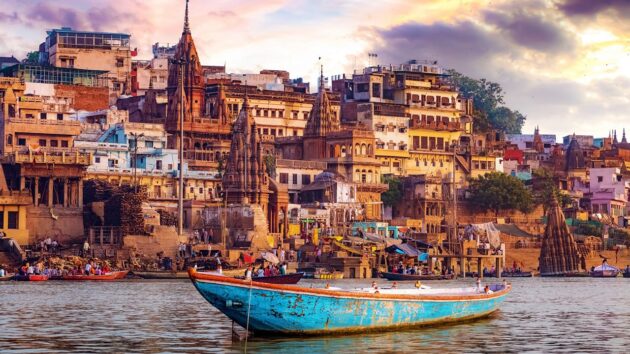
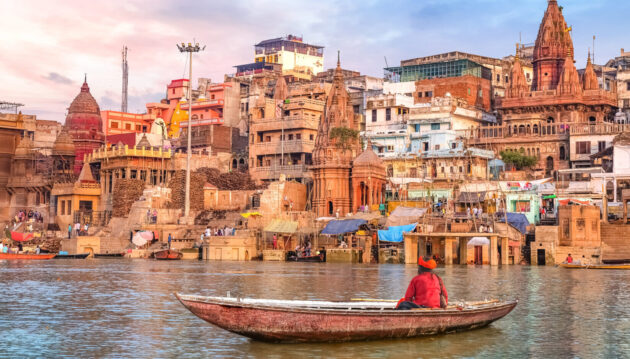
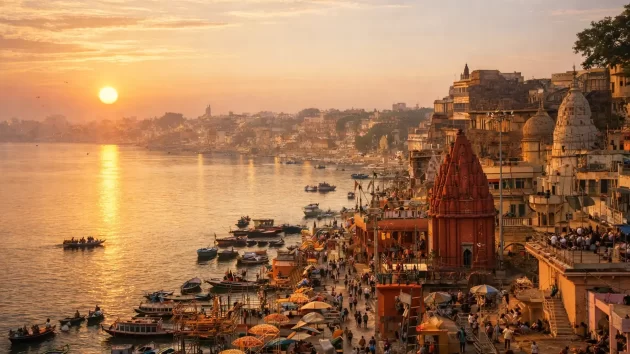
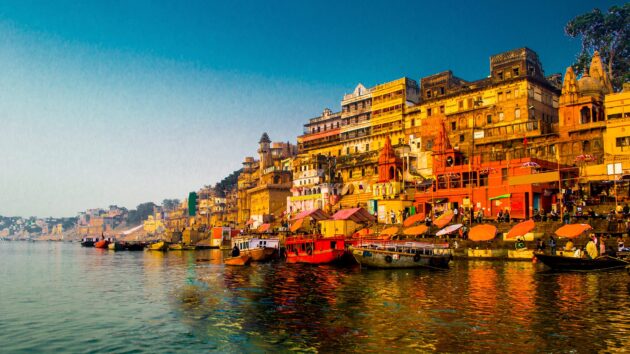
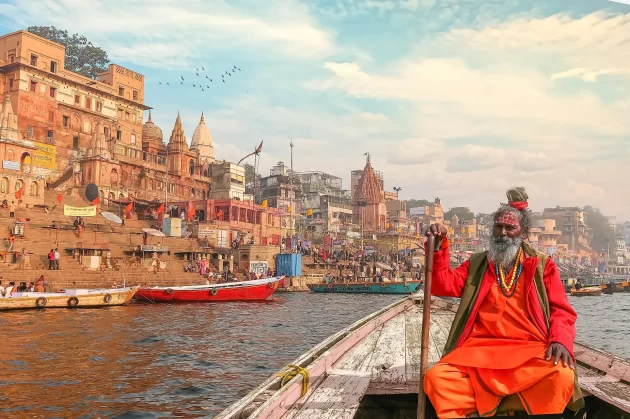
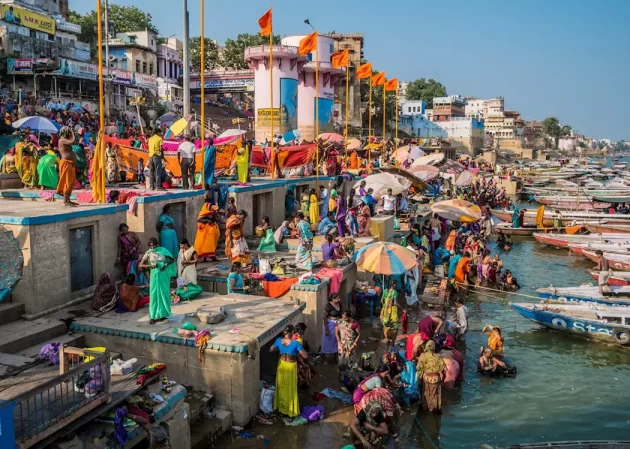
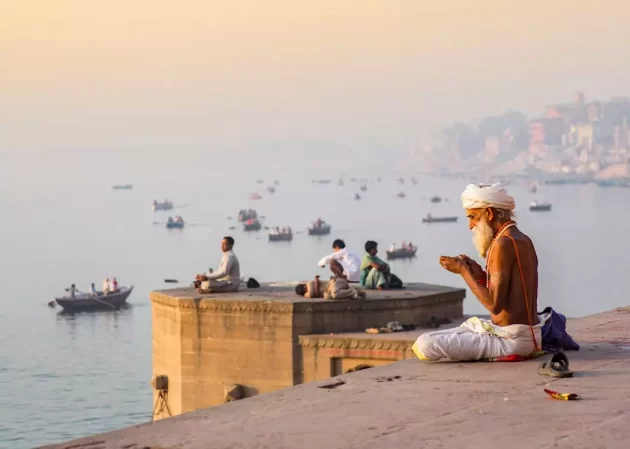
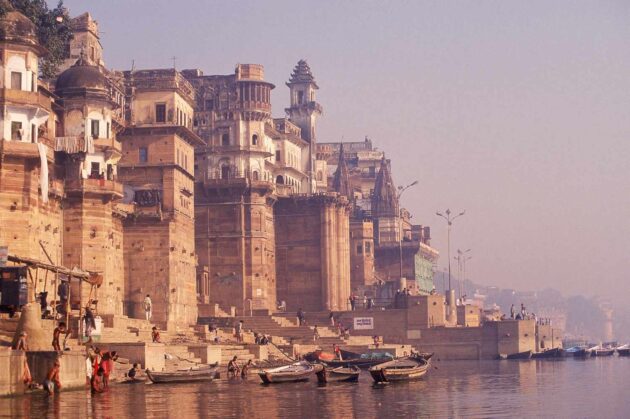
Varanasi is the spiritual heart of India, located on the banks of the sacred Ganges River. Believed to be one of the oldest continuously inhabited cities in the world, it attracts pilgrims, seekers, and travelers who come to witness life, death, and rebirth rituals along the ghats. The city blends intense chaos with profound serenity: vibrant temples, narrow winding alleys (galis), evening fire ceremonies, and sunrise boat rides that feel timeless.
Ranthambore National Park
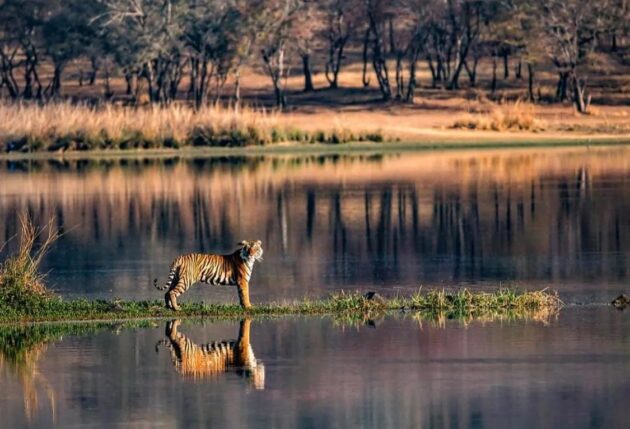
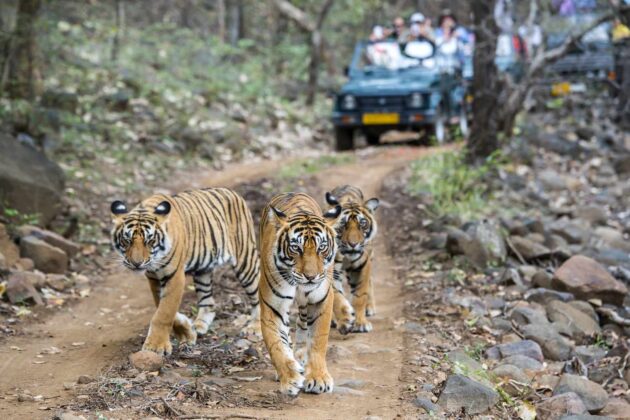
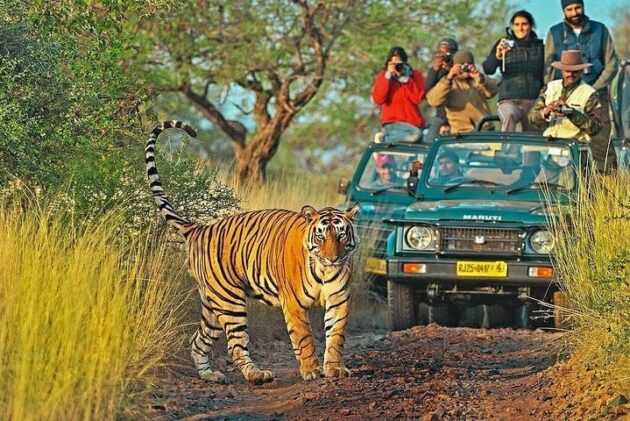
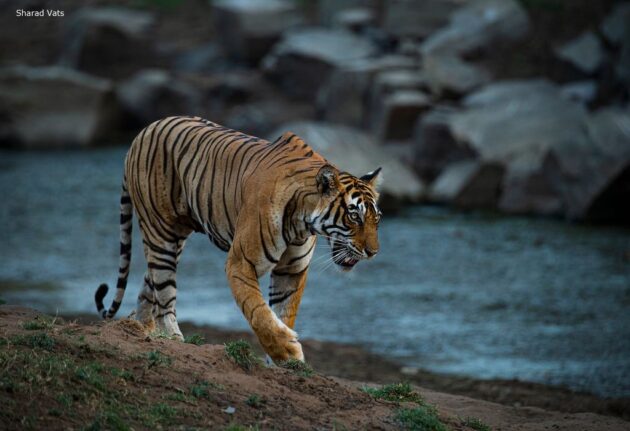
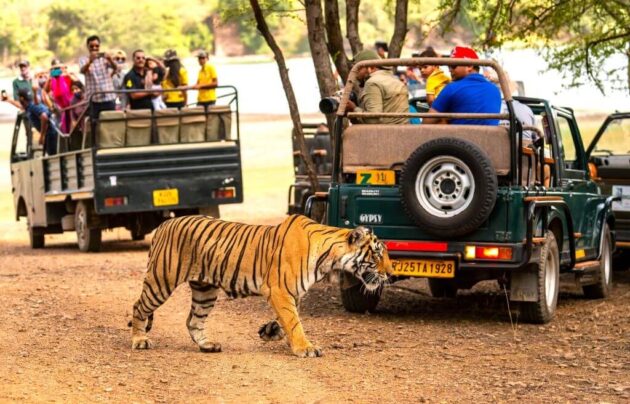
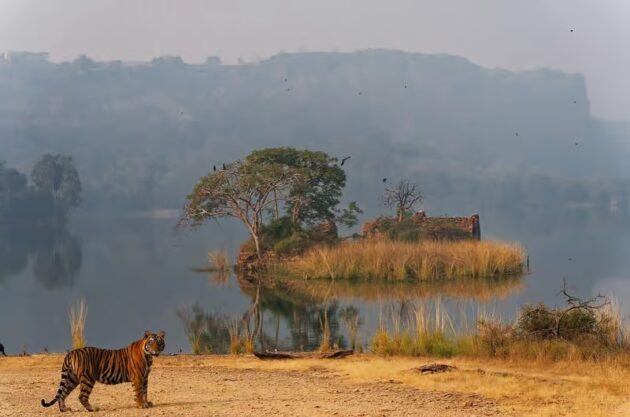
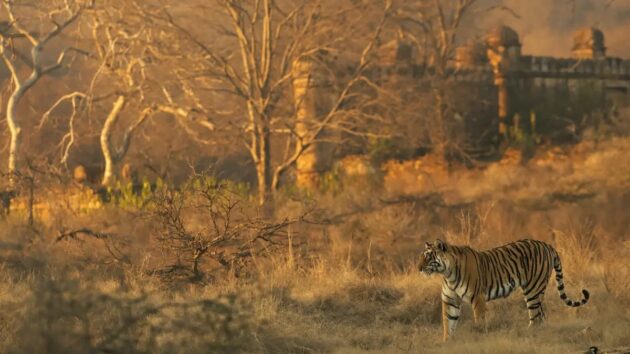
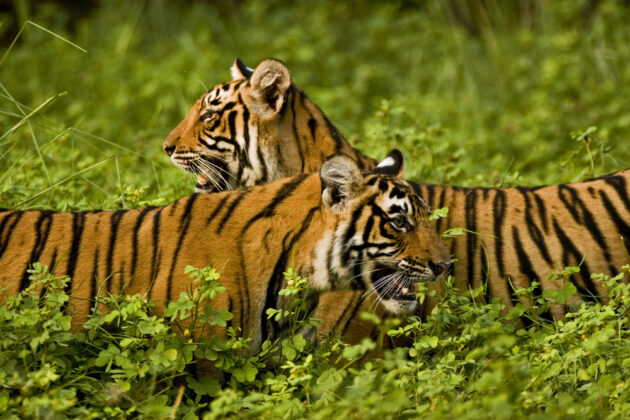
Ranthambore National Park, located in the eastern part of Rajasthan, is one of India’s most famous tiger reserves. Once a royal hunting ground of the Maharajas of Jaipur, it became a national park in 1980 and forms part of the larger Ranthambore Tiger Reserve. The park is renowned for its healthy population of Bengal tigers, with frequent sightings of these majestic big cats in the wild.
Mumbai
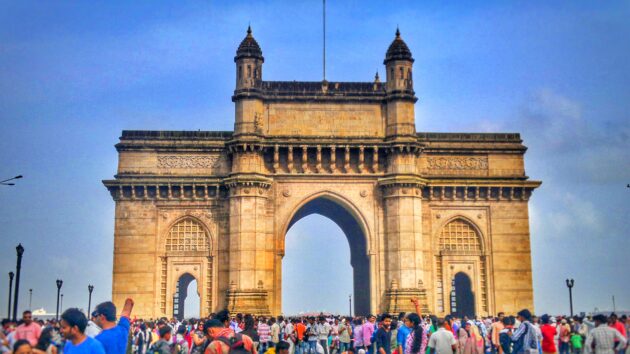
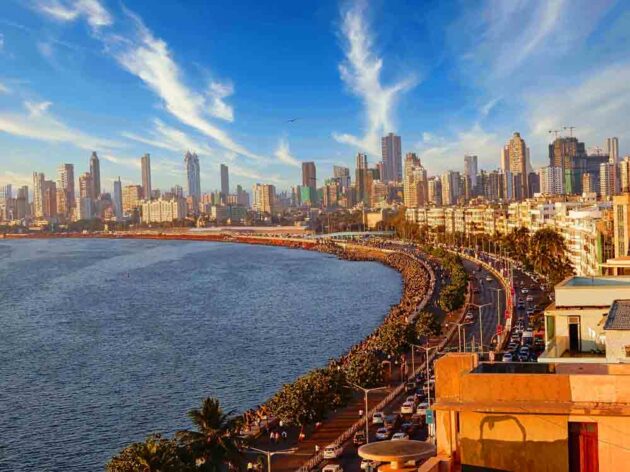
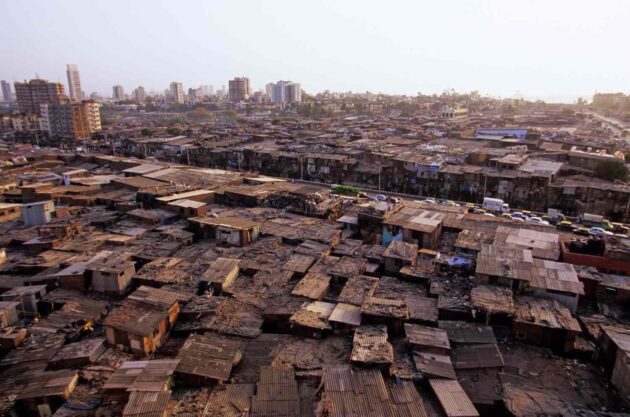
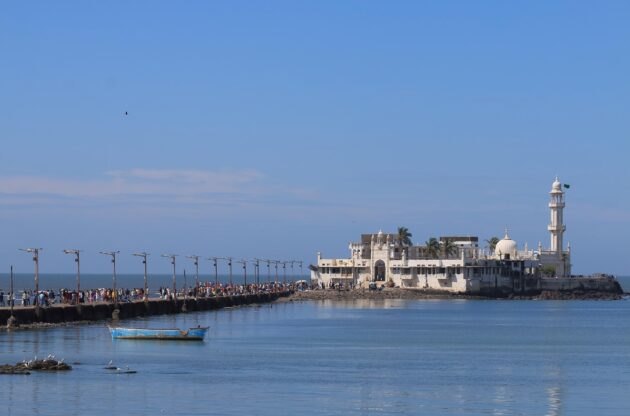
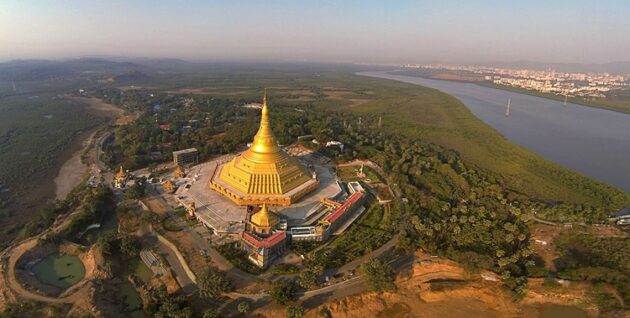
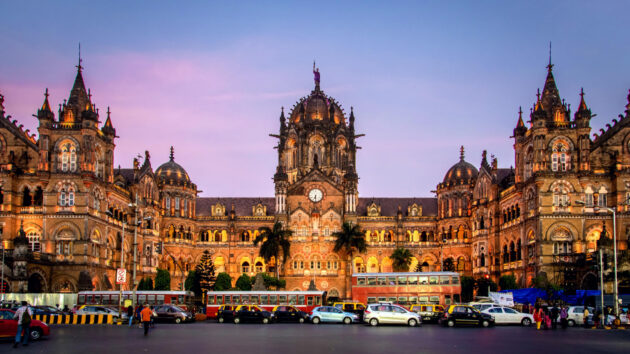
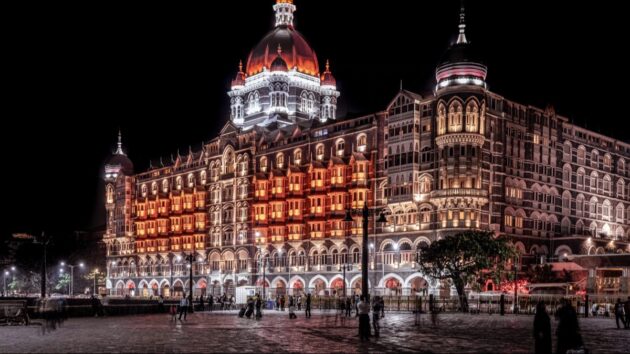
Mumbai, formerly known as Bombay, is India’s vibrant financial capital, Bollywood hub, and a melting pot of cultures, contrasts, and energy. This bustling coastal metropolis on the Arabian Sea blends colonial architecture, chaotic street life, world-class cuisine, and stunning waterfront views. From the iconic Gateway of India to the glittering Marine Drive, Mumbai offers an unforgettable mix of history, modernity, poverty, and glamour.
Darjeeling
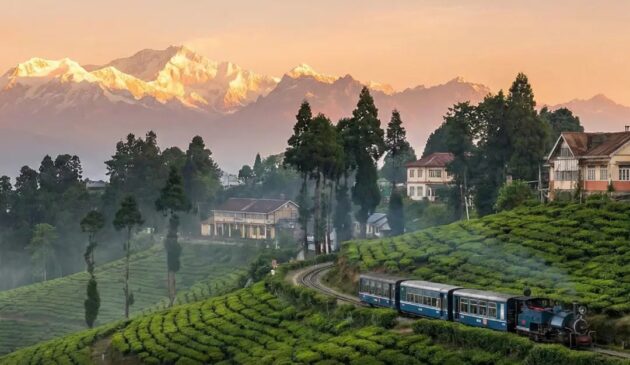
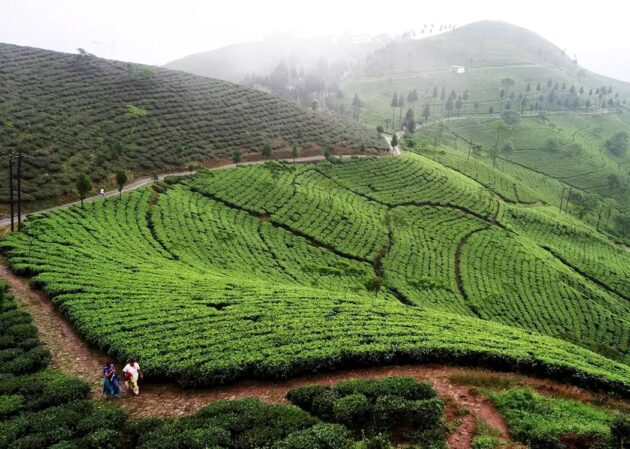
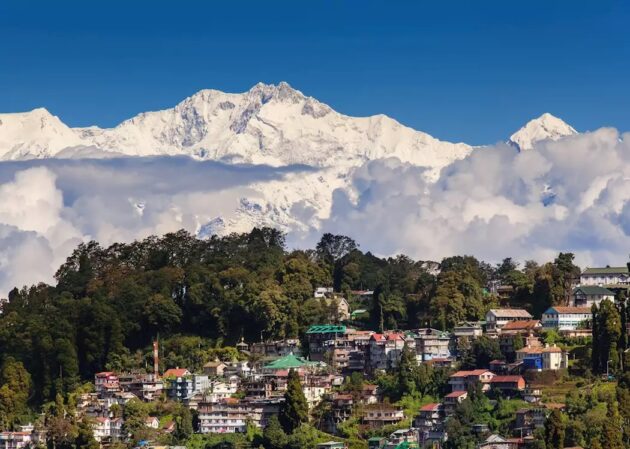
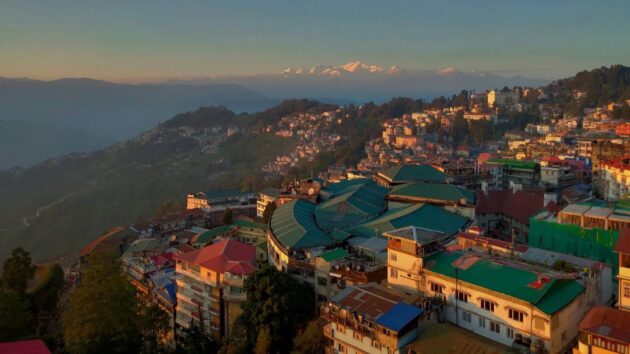
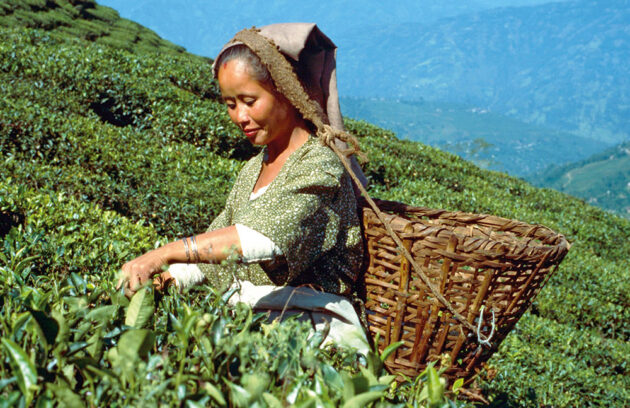
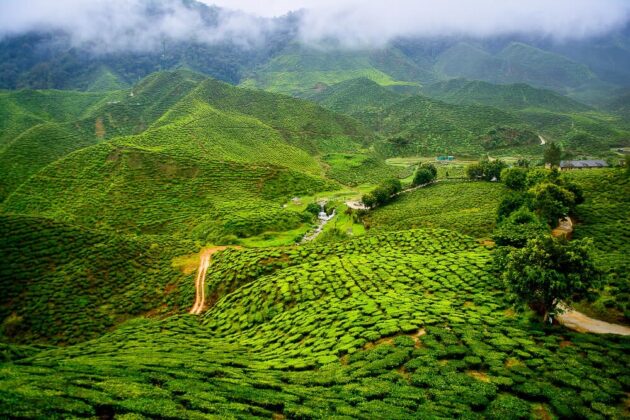
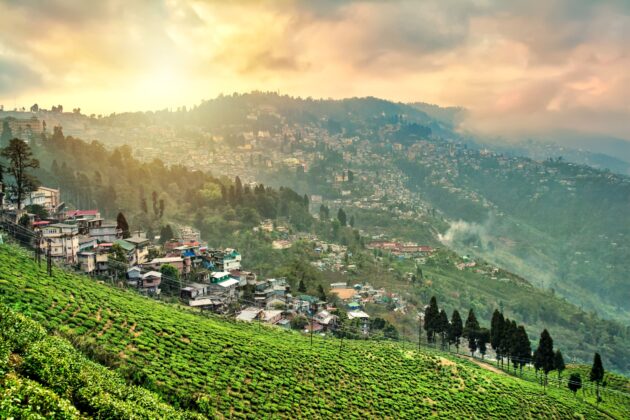
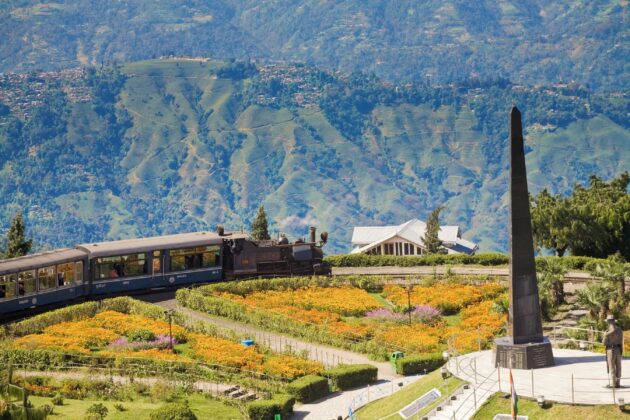
Darjeeling captivates visitors with its rolling emerald-green tea estates, breathtaking views of the world’s third-highest peak Kanchenjunga (8,586 m), colonial-era charm, and the UNESCO-listed Darjeeling Himalayan Railway (Toy Train). At an altitude of around 2,000 meters, the town offers a cool climate, vibrant Buddhist monasteries, and a unique blend of Nepali, Tibetan, and British influences.
Hyderabad
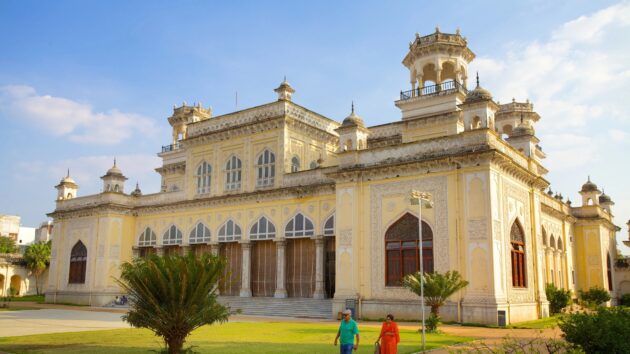
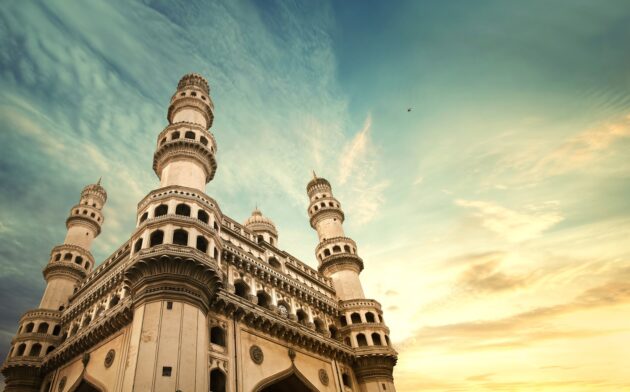
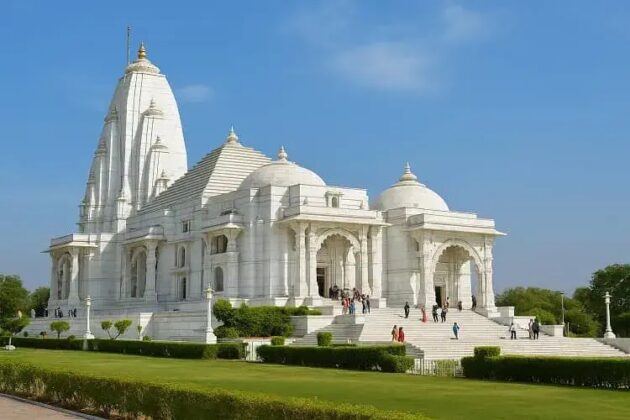
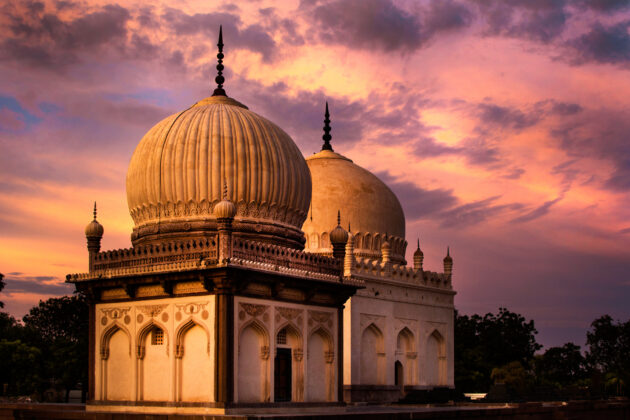
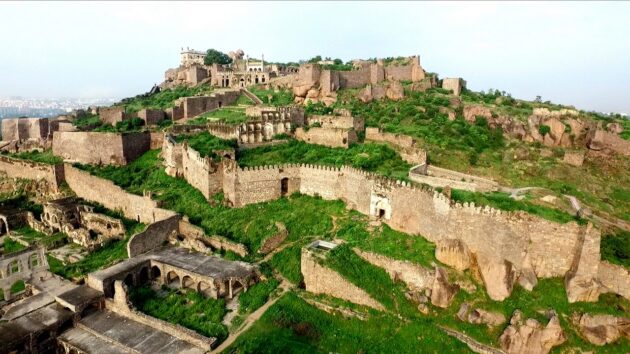
Hyderabad known as the “City of Pearls” and the capital of Telangana. This vibrant metropolis beautifully blends rich Islamic heritage from the Nizam era with modern tech hubs, earning it the nickname “Cyberabad.” Famous for its iconic monuments, world-renowned Hyderabadi biryani, and bustling bazaars, Hyderabad offers a perfect mix of history, culture, food, and contemporary attractions.
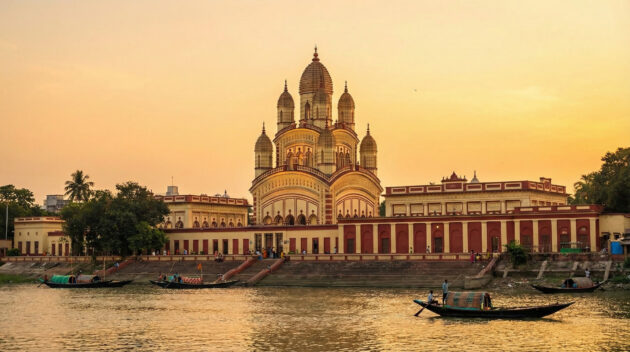
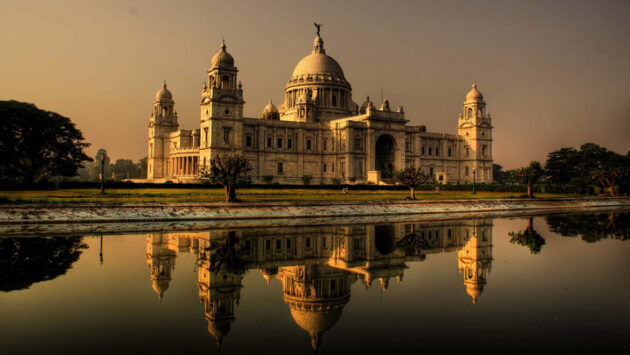
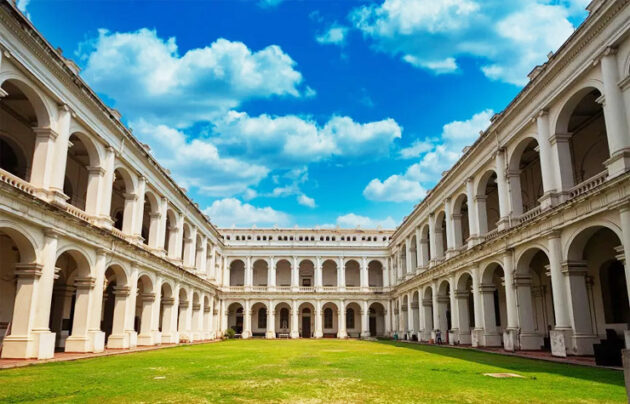
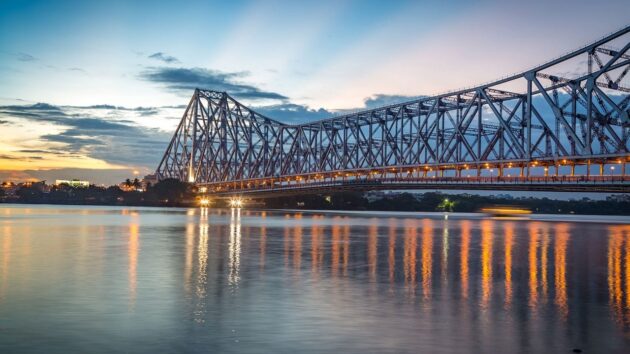
Kolkata
(formerly Calcutta), India — known as the “City of Joy.” This vibrant metropolis blends rich colonial history, intellectual heritage, Bengali culture, chaotic street life, and world-class food. As India’s cultural and artistic capital, Kolkata offers majestic architecture, bustling markets, sacred temples, and legendary street eats.

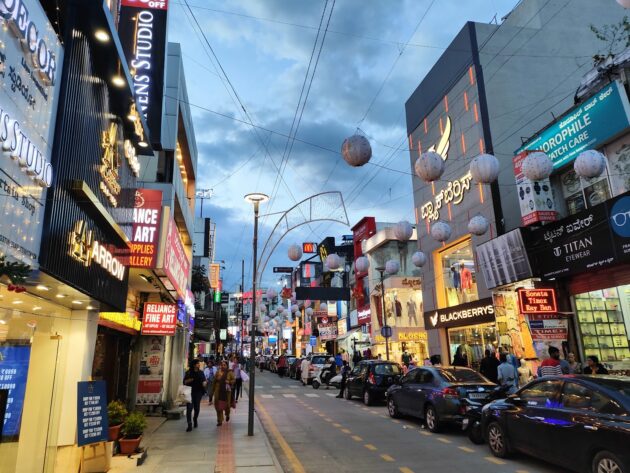
Bengaluru
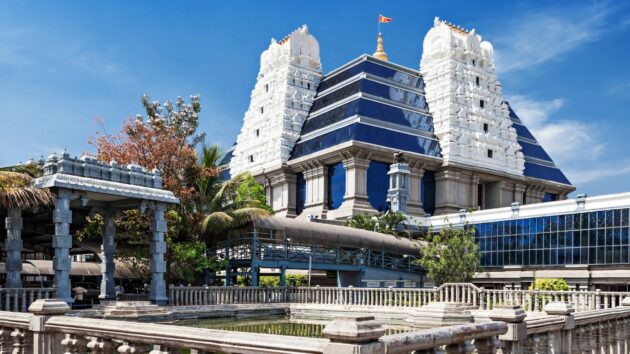
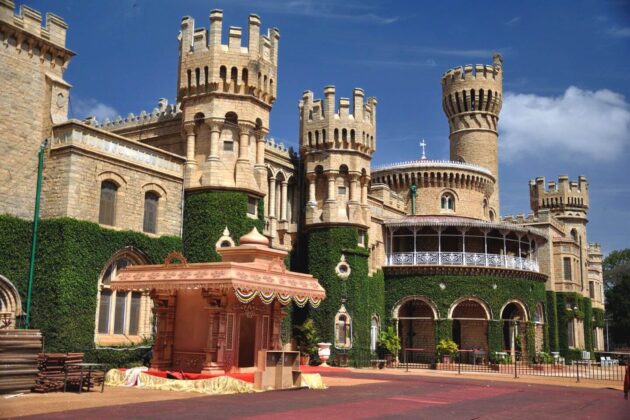
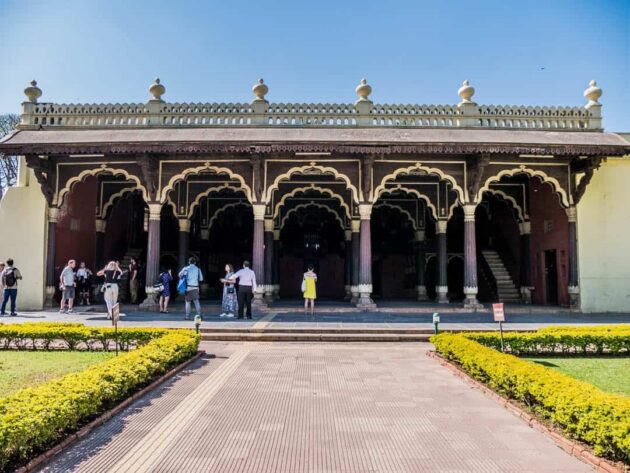
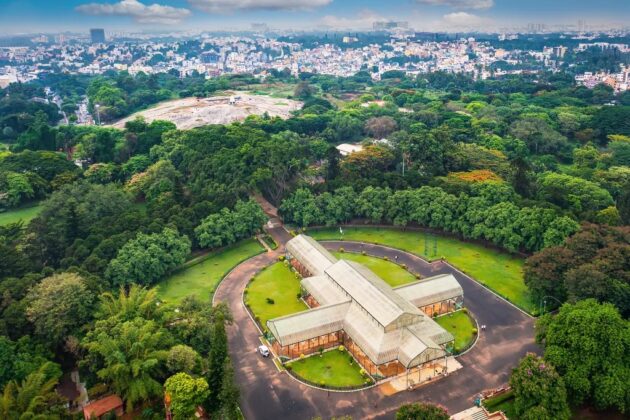
Bengaluru, officially known as Bangalore, is India’s “Garden City” and the vibrant “Silicon Valley of India.” Located in the southern state of Karnataka, it blends lush green spaces, colonial-era architecture, historic temples, and a dynamic modern tech scene. With pleasant weather for much of the year, excellent South Indian cuisine, bustling markets, and a cosmopolitan vibe, Bengaluru makes an ideal gateway to South India.
Where to Stay
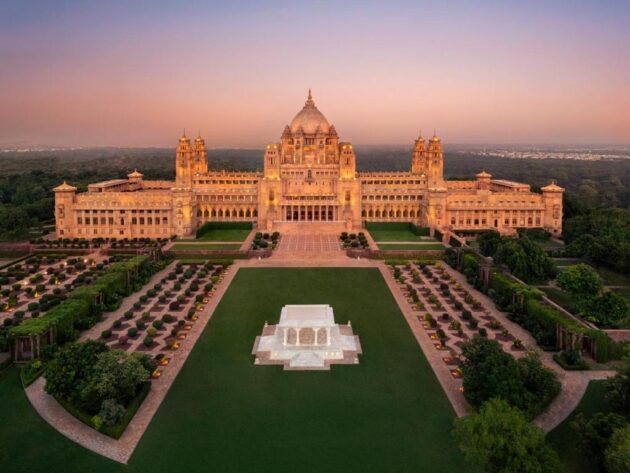
Luxury: Heritage palaces (e.g., in Rajasthan), Taj or Oberoi hotels.
Mid-Range: Boutique guesthouses or well-rated hotels in tourist areas.
Budget: Hostels, homestays, or Airbnb.
Unique Experiences: Houseboats in Kerala, desert camps in Rajasthan, or ashram stays.
Book in advance during peak season.
What to Eat
Indian cuisine is world-famous—try street food (with caution), thalis, butter chicken, dosas, and fresh seafood in coastal areas. Vegetarians are well-catered for. Drink bottled or filtered water; avoid ice in drinks if unsure. Be adventurous but start slow to avoid stomach issues.
Practical Tips
Health & Safety: India is generally safe for tourists in popular areas, but exercise increased caution (per US State Dept Level 2 advisory). Get recommended vaccinations (Hepatitis A, Typhoid, etc.) and consult a doctor. Use mosquito repellent; drink only bottled water. Petty scams and overcharging happen—use official apps for transport and negotiate upfront.
What to Pack: Modest clothing (cover shoulders/knees at religious sites), comfortable shoes, scarf, sunscreen, power adapter, and medications. Respect local customs—no PDA in public; remove shoes in temples.
Money & Connectivity: ATMs are widespread; carry cash for small vendors. Get a local SIM or eSIM for data. Download offline maps.
Cultural Etiquette: India is diverse—be respectful of religions and traditions. Bargaining is expected in markets.
Slow Down: Traffic, crowds, and “Indian time” can be chaotic. Embrace flexibility and patience.
Final Thoughts
India rewards those who approach it with an open mind. It’s not always easy, but the warmth of its people, depth of its history, and beauty of its landscapes make it profoundly memorable.
Safe travels and namaste! Plan ahead, stay curious, and let India surprise you.