
Vietnam Travel Guide (2026)
Vietnam is a long, narrow Southeast Asian country offering incredible diversity: bustling cities with rich history, stunning karst landscapes and bays, ancient towns, mountainous highlands, tropical beaches, and world-renowned cuisine. It’s affordable, culturally vibrant, and relatively easy to navigate for travelers, making it ideal for first-timers and repeat visitors alike.
Best Time to Visit
Vietnam’s weather varies significantly by region due to its length:
Overall best period: November to April (cooler and drier in most areas).
Northern Vietnam (Hanoi, Ha Long Bay, Sapa): Cool and dry from November to April (can be chilly in December–January, down to ~10°C/50°F in highlands). Avoid May–October (hot, humid, rainy).
Central Vietnam (Hoi An, Hue, Da Nang): Best January–August (hot and dry). Heavy rains possible September–November.
Southern Vietnam (Ho Chi Minh City, Mekong Delta, Phu Quoc): Dry and pleasant November–April; rainy season May–October (afternoon showers common but not constant).
March–May or September–November often provide a good compromise for countrywide travel. There’s no single “perfect” time—plan around your main destinations.
Major Cities
Ho Chi Minh City (Saigon)
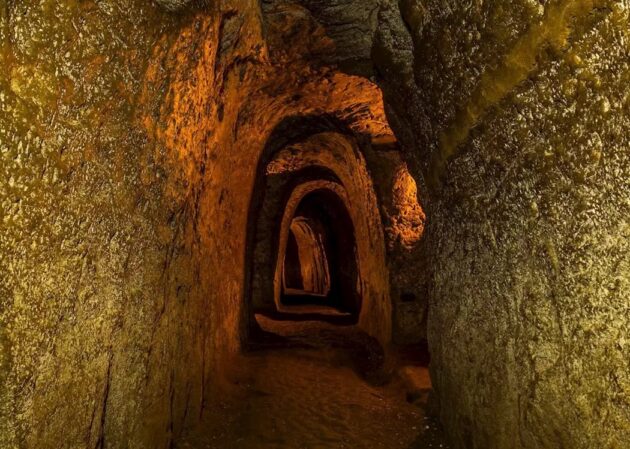
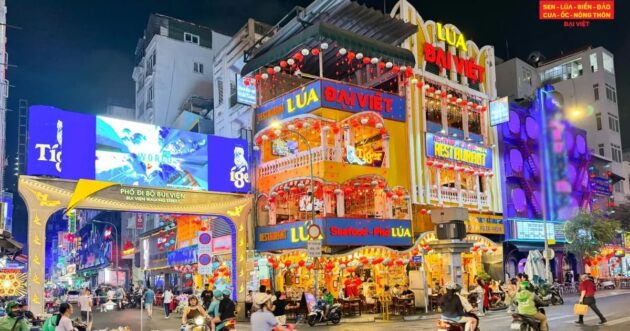
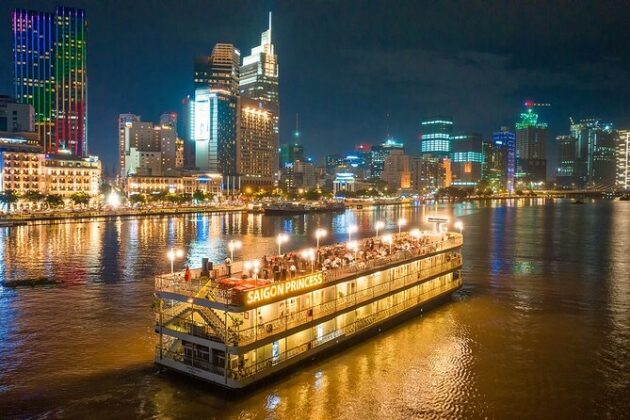
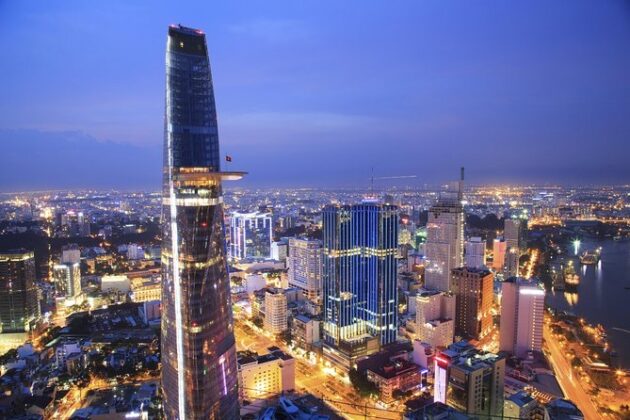
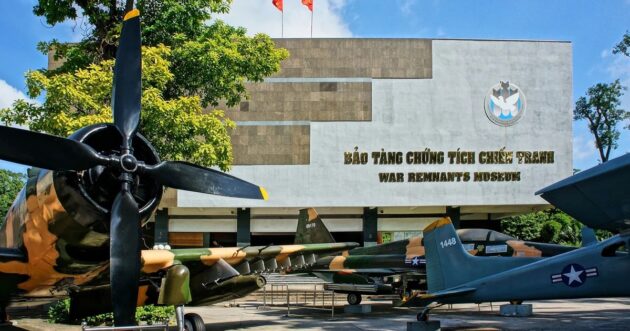
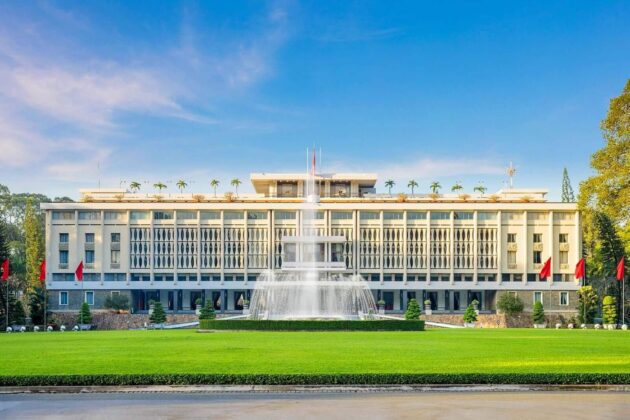
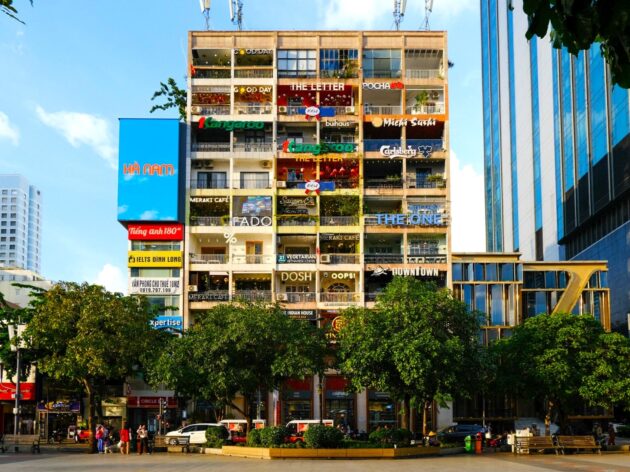
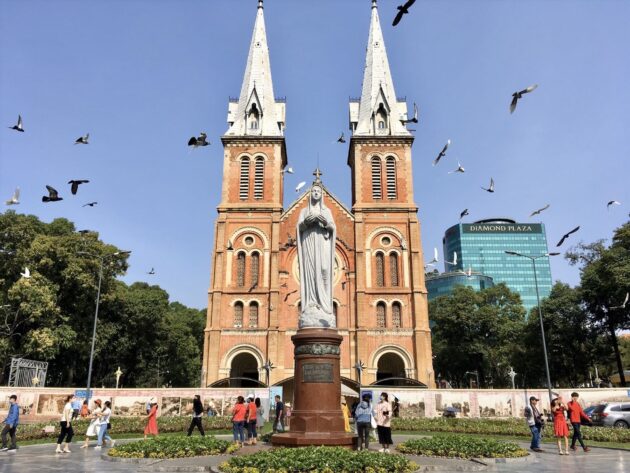
Ho Chi Minh City (still widely called Saigon by locals) is Vietnam’s largest, most dynamic metropolis—a chaotic, energetic blend of French colonial architecture, wartime history, vibrant street life, and incredible food. It’s a hub for first-time visitors to Vietnam, digital nomads, and food lovers, with endless motorbike traffic, bustling markets, and a mix of old and new that feels alive 24/7.
Hanoi
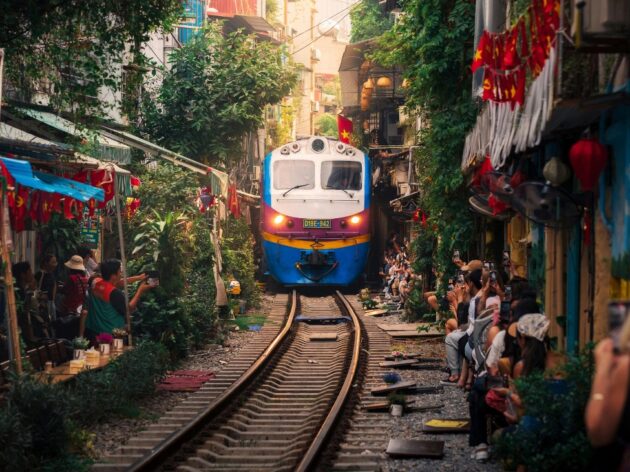
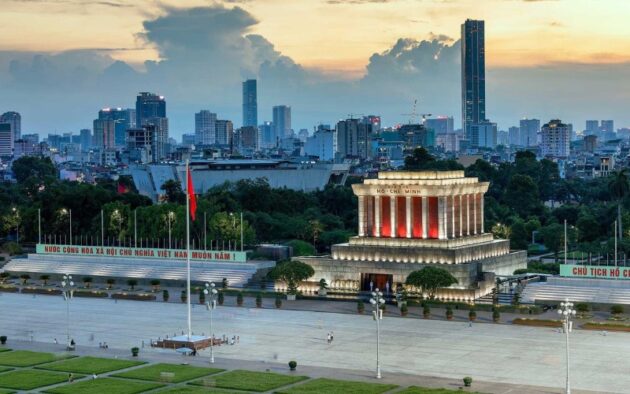
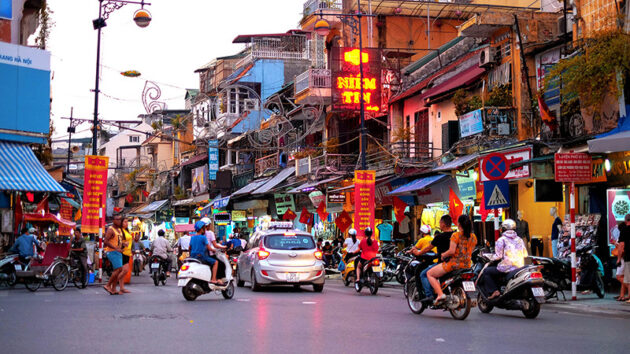
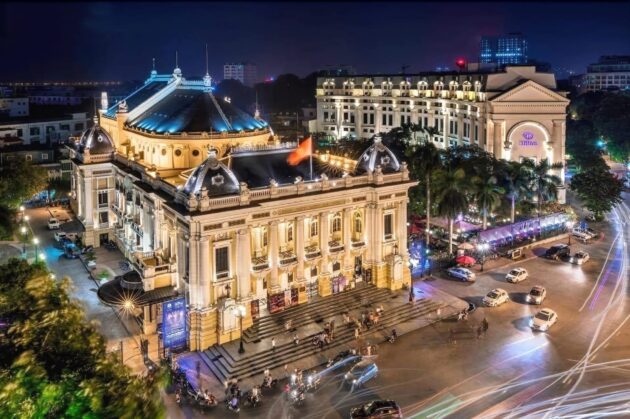
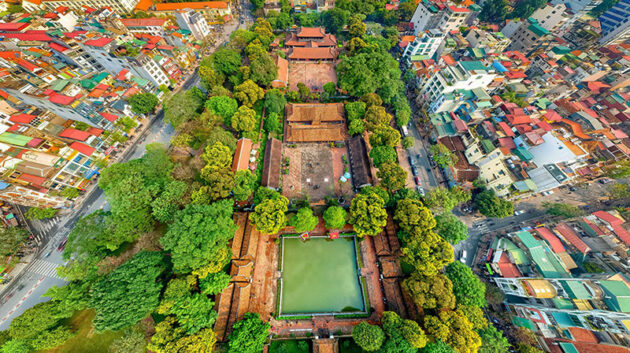
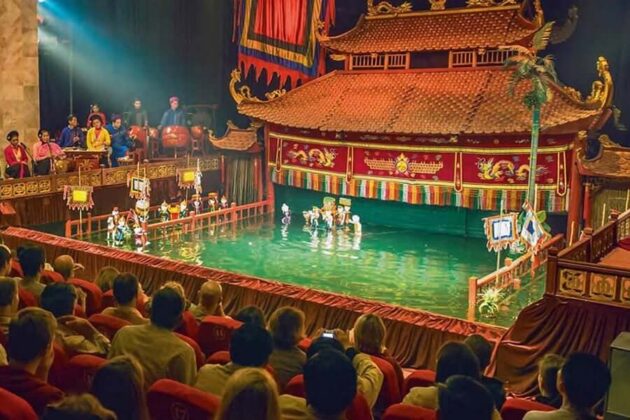
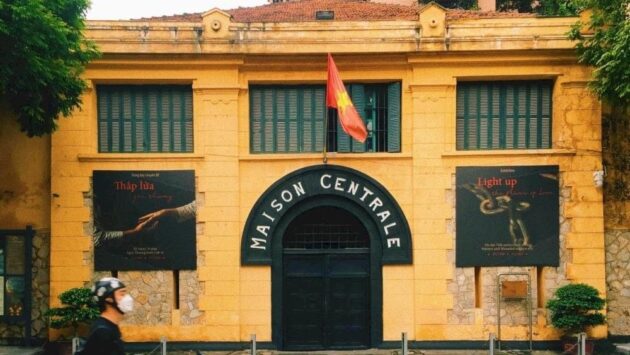
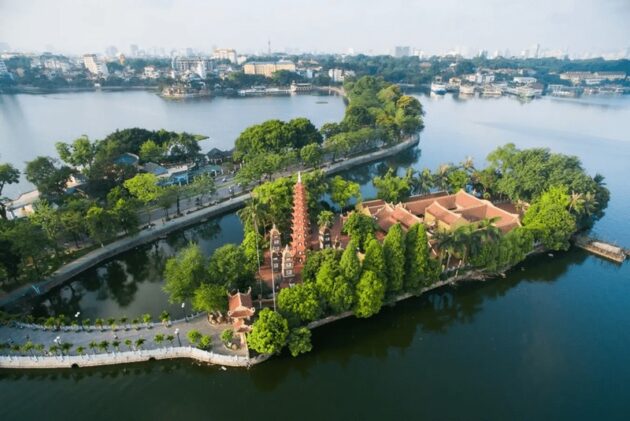
Hanoi, Vietnam’s capital, blends centuries-old history, chaotic energy, French colonial architecture, and one of Southeast Asia’s best street-food scenes. The city rewards slow exploration: wander narrow alleys in the Old Quarter, sip egg coffee by a lake, and watch the rhythm of scooters and street vendors. It serves as an ideal base for northern Vietnam adventures like Ha Long Bay or Ninh Binh.
Da Nang
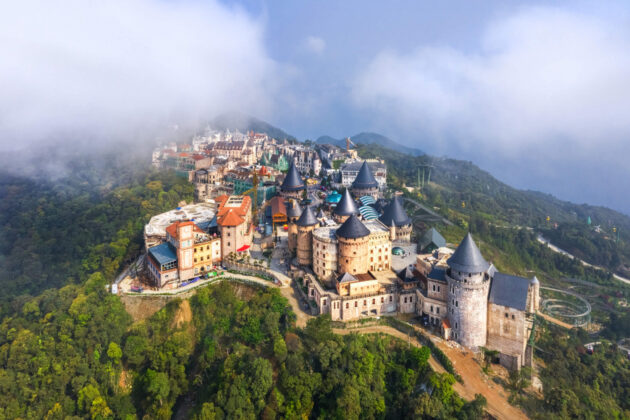
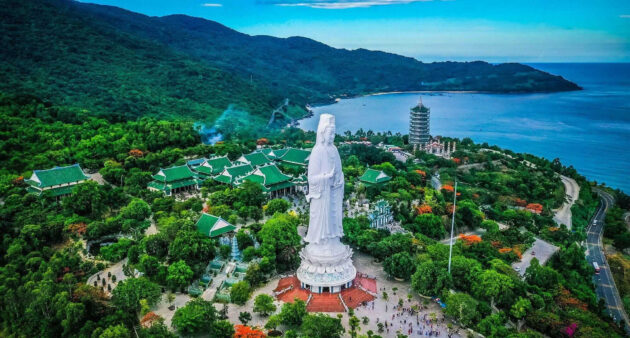
Da Nang is a vibrant coastal city that blends modern infrastructure, stunning beaches, and easy access to cultural and natural highlights in central Vietnam. It’s often used as a practical base for exploring the region, thanks to its international airport, growing skyline, and relaxed vibe compared to busier spots like Hanoi or Ho Chi Minh City.
Nha Trang
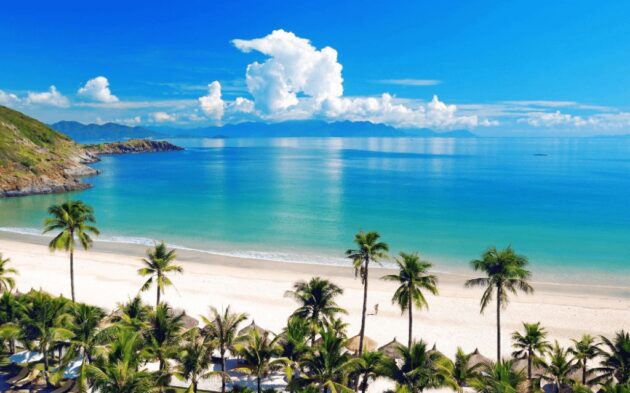
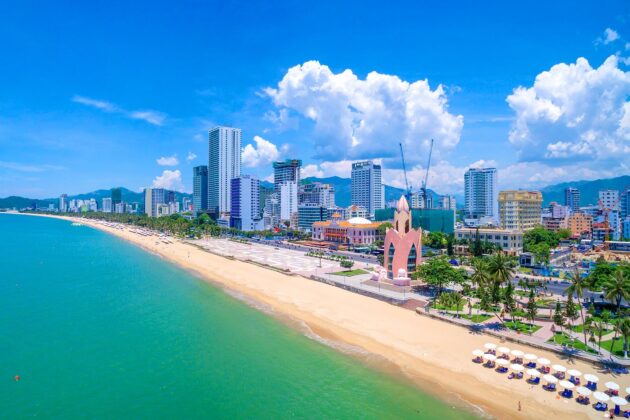
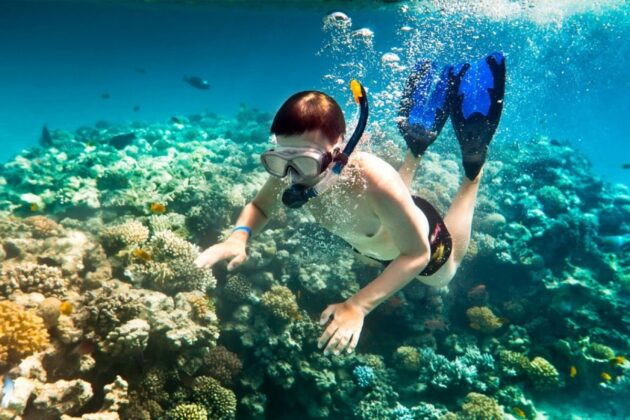
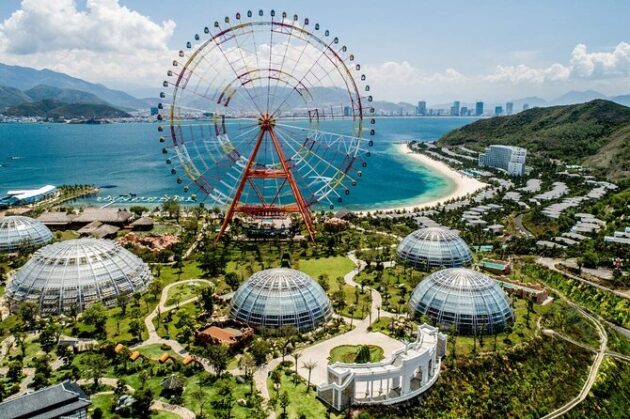
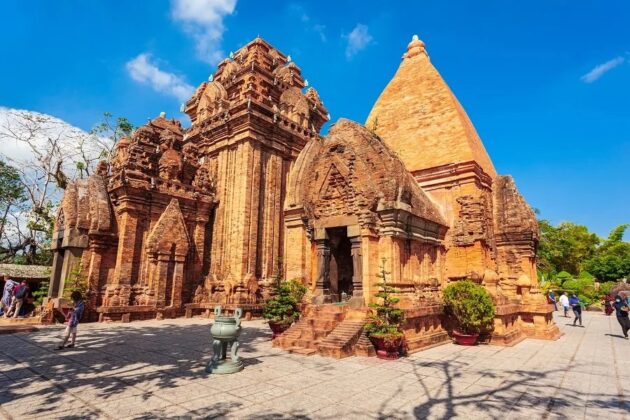
Nha Trang is a vibrant beach city on Vietnam’s south-central coast in Khánh Hòa Province, often called the “Pearl of the East Sea.” It features a long crescent-shaped sandy beach, clear turquoise waters, a scenic bay dotted with about 19 islands, excellent fresh seafood, and a mix of relaxation, adventure, and culture. It appeals to beach lovers, families, divers, and those seeking a lively yet affordable coastal escape, with a blend of Vietnamese, Cham heritage, and modern resort vibes.
Top Attractions
Ha Long Bay
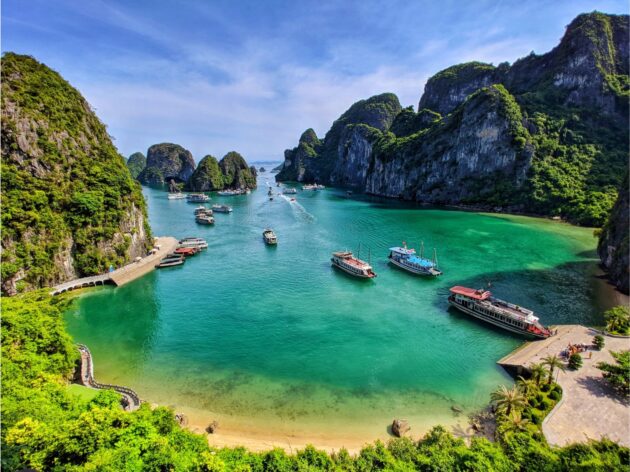
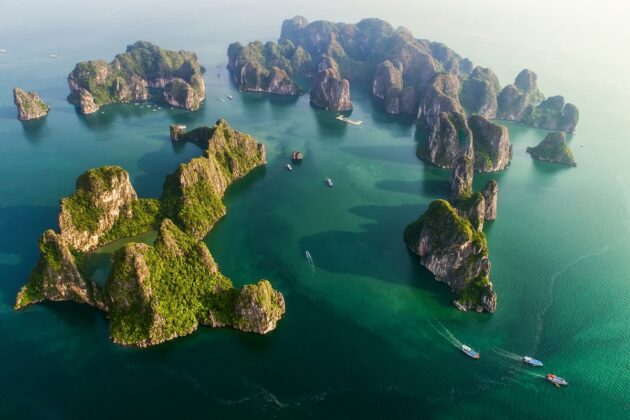
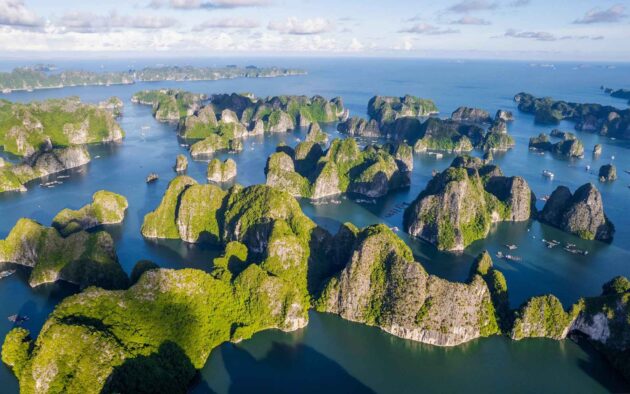
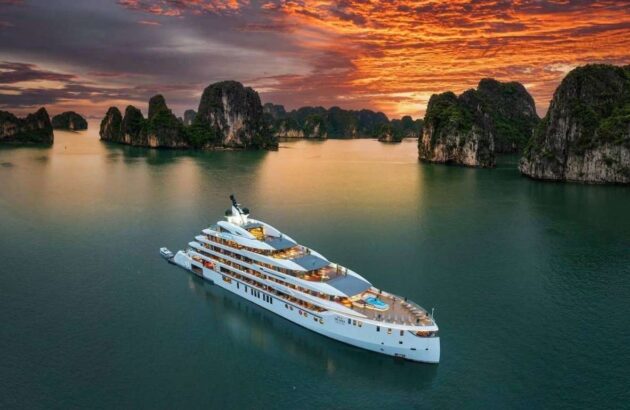
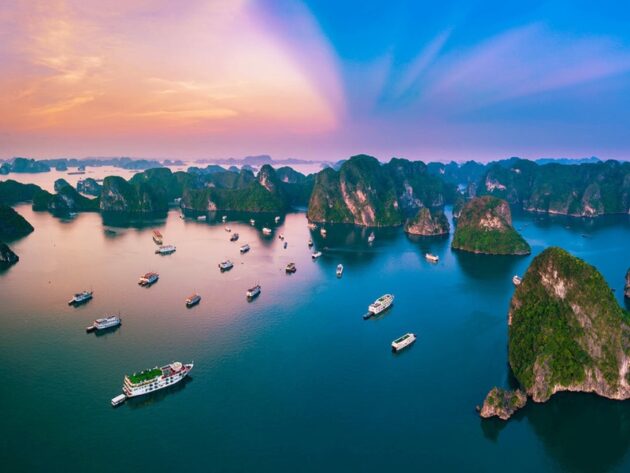
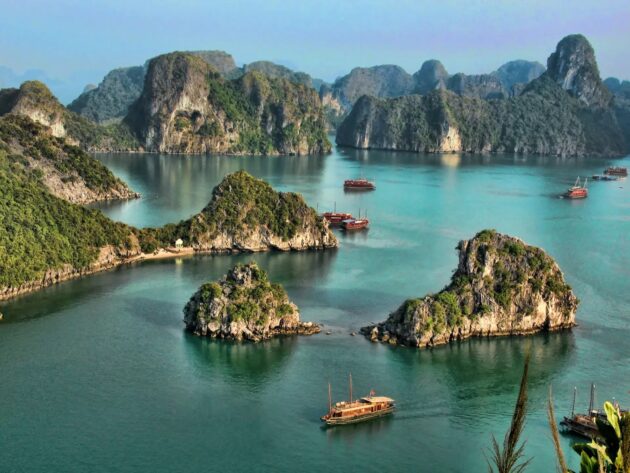
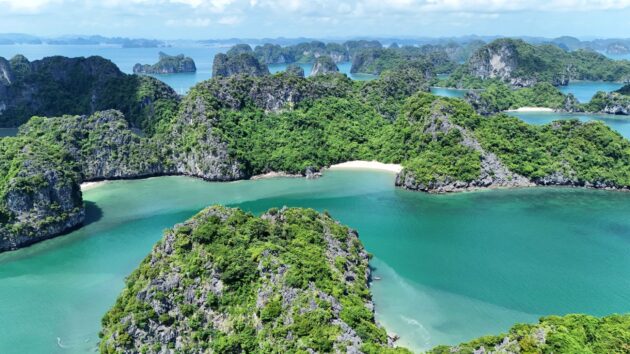
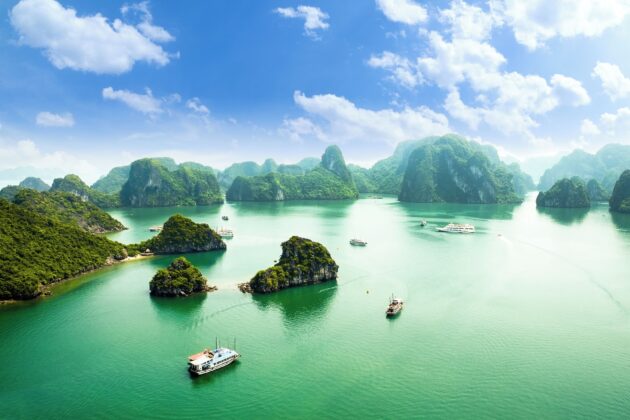
Ha Long Bay (Vịnh Hạ Long) in northeastern Vietnam is a UNESCO World Heritage Site renowned for its dramatic limestone karsts and emerald waters. The bay covers about 1,500–1,553 km² with roughly 1,600–2,000 islands and islets formed over millions of years. Its name means “descending dragon,” tied to a legend of a dragon plunging into the sea and creating the islands with its tail.
Ninh Binh
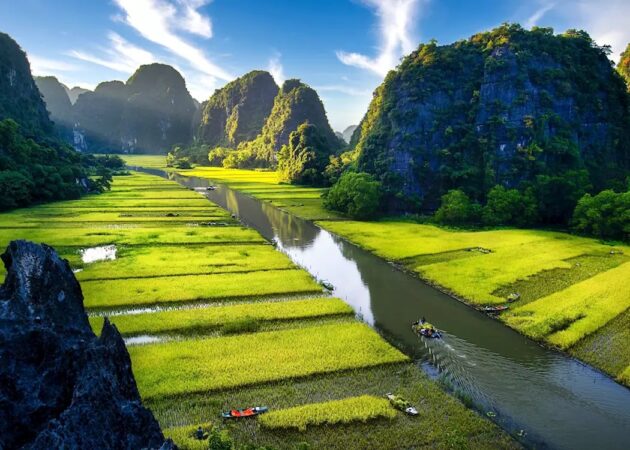
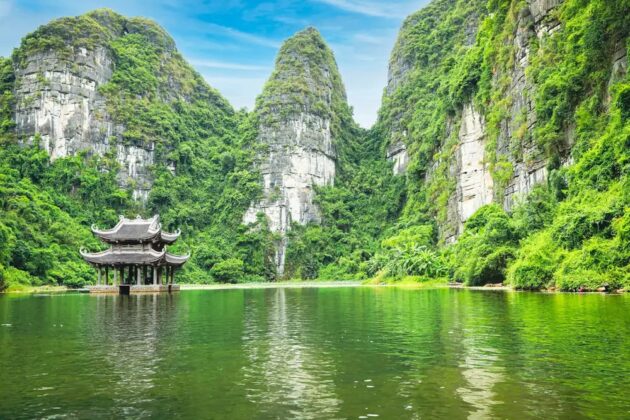
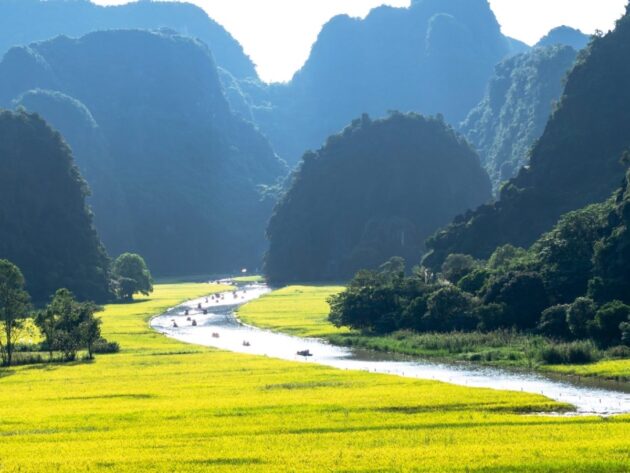
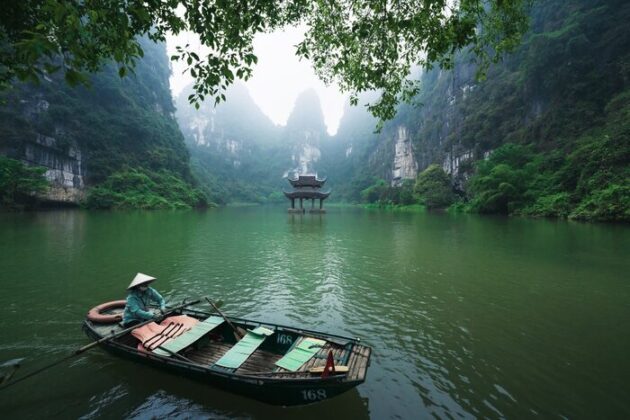
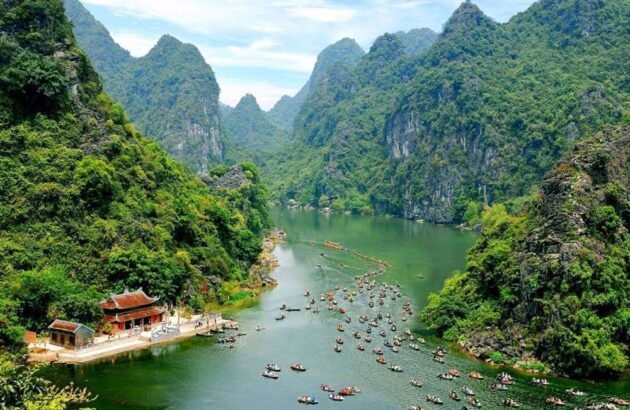
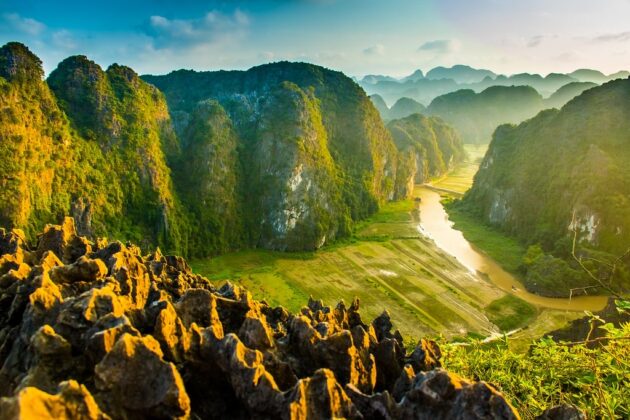
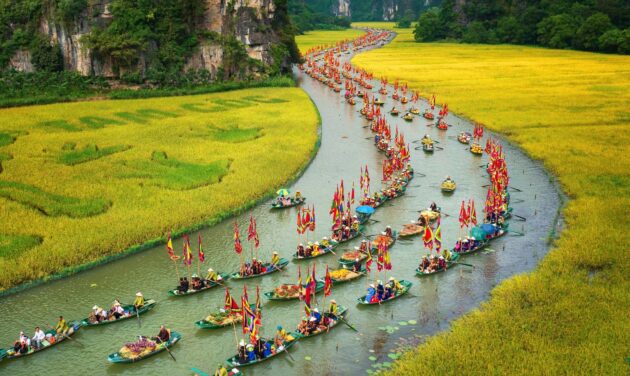
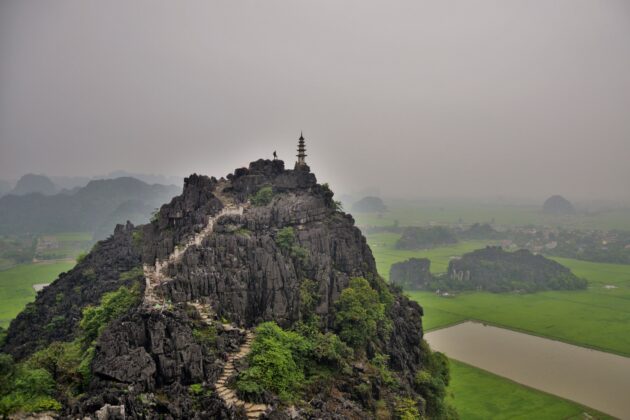
Ninh Binh, often called “Halong Bay on Land,” is a stunning province in northern Vietnam known for its dramatic limestone karst mountains rising from emerald rice paddies, winding rivers, caves, and ancient historical sites. Located about 90-100 km south of Hanoi, it’s an easy and rewarding addition to any Vietnam itinerary—perfect for nature lovers, history buffs, and those seeking a peaceful escape from big cities.
Sapa
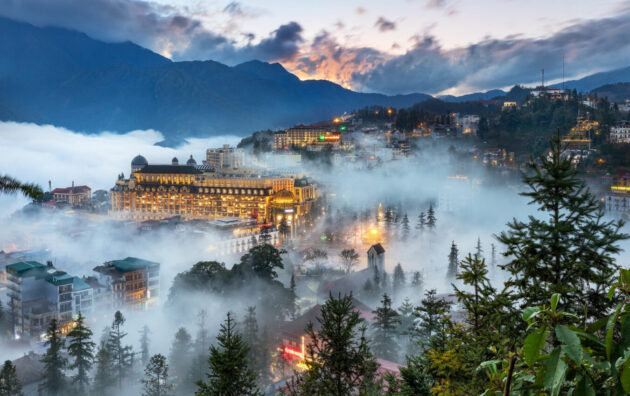
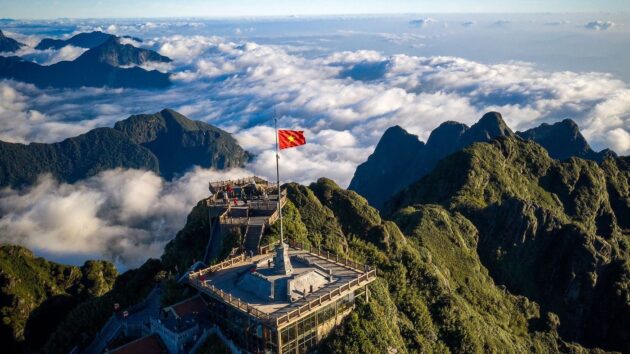
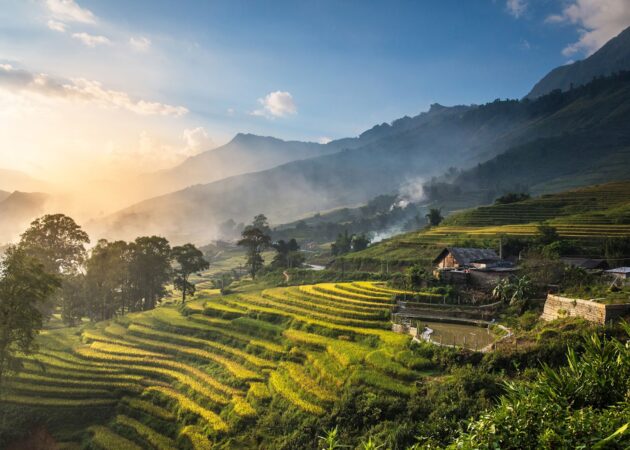
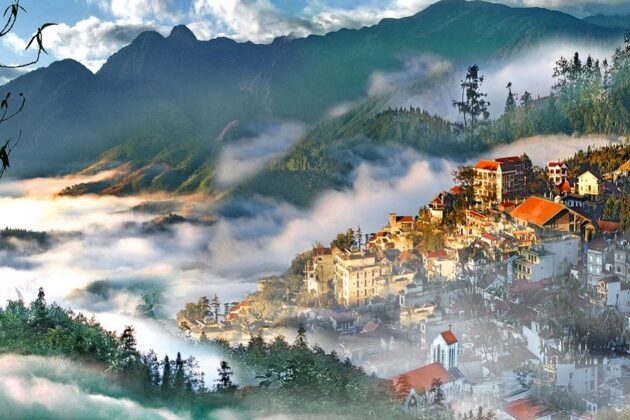
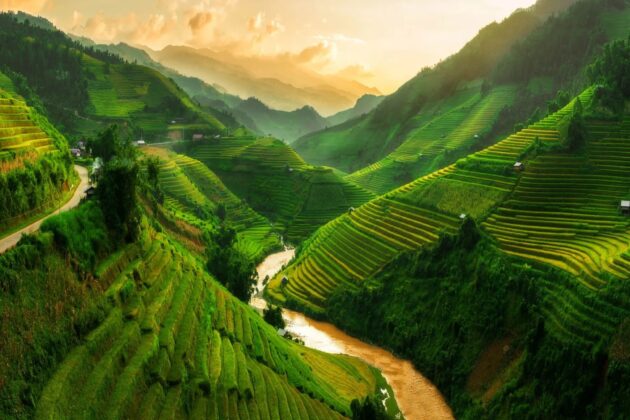
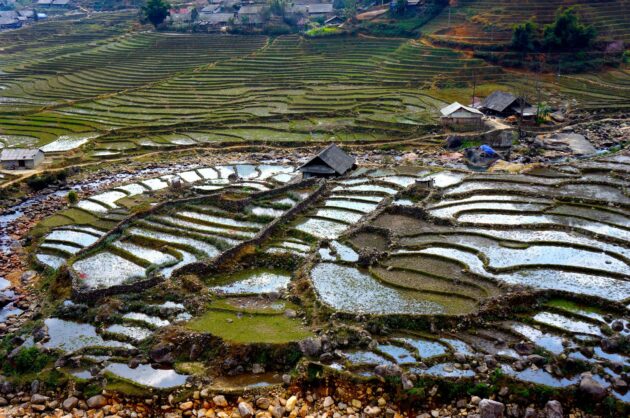
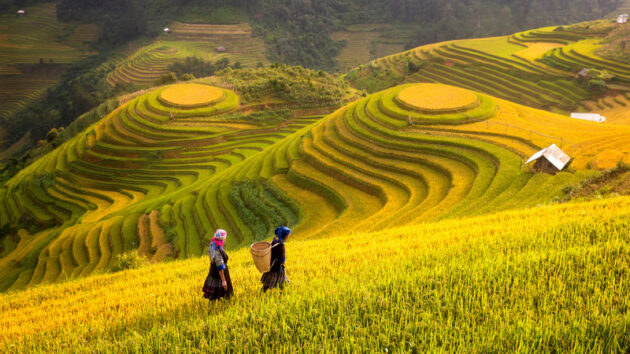
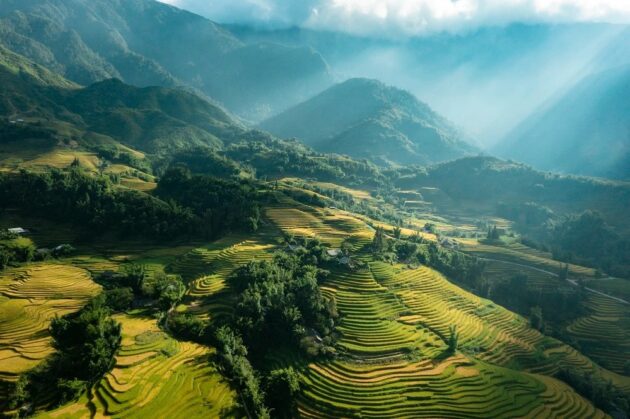
Sapa (Sa Pa) is a stunning mountain town in northern Vietnam’s Lao Cai Province, famous for its dramatic rice terraces, misty valleys, ethnic minority villages (primarily Hmong, Dao, Tay, and others), and cool highland climate. Perched at about 1,500 meters, it offers a refreshing escape from Vietnam’s tropical heat, with opportunities for trekking, cultural immersion, and views of Mount Fansipan (the “Roof of Indochina” at 3,143m).
Hoi An
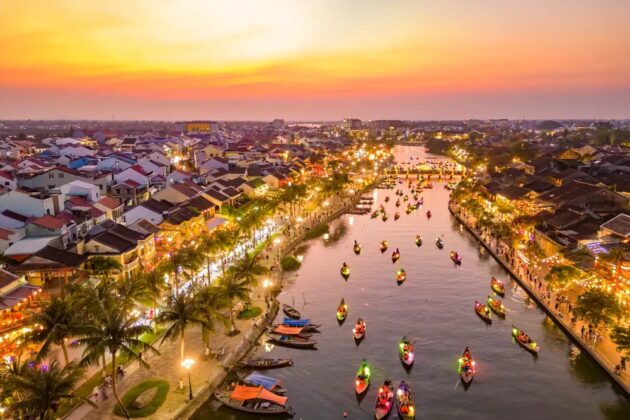
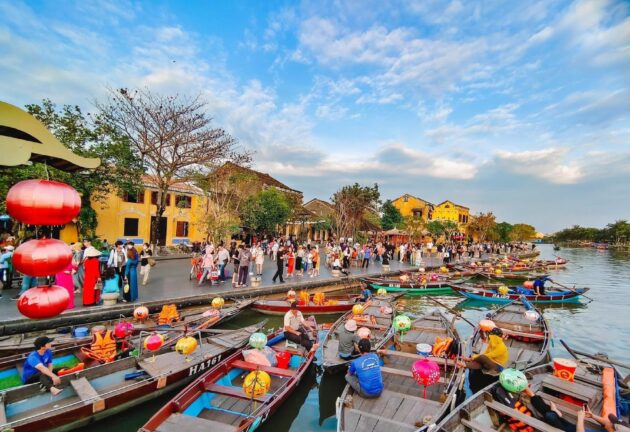
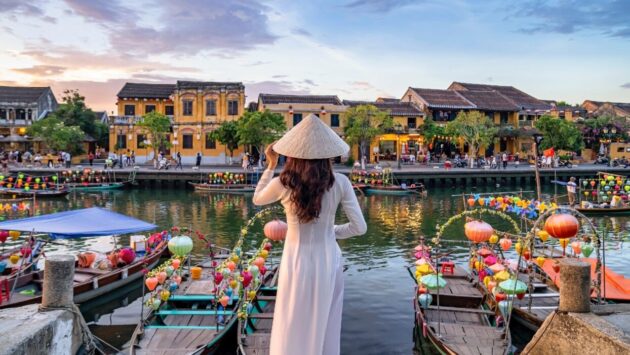
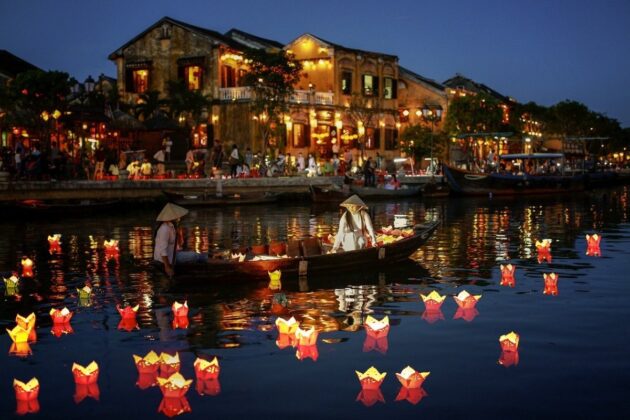
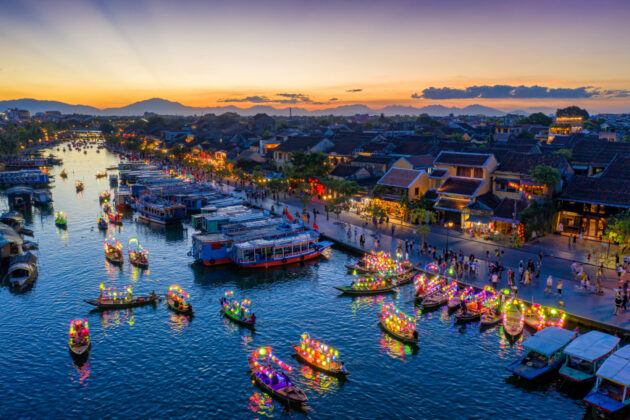
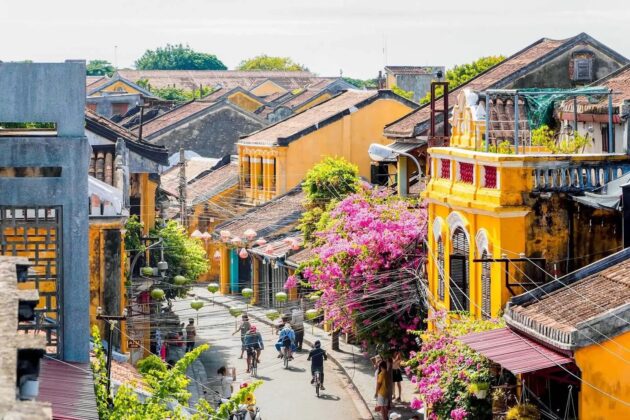
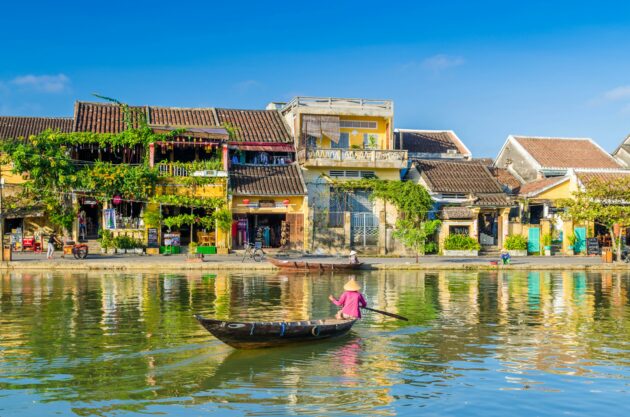
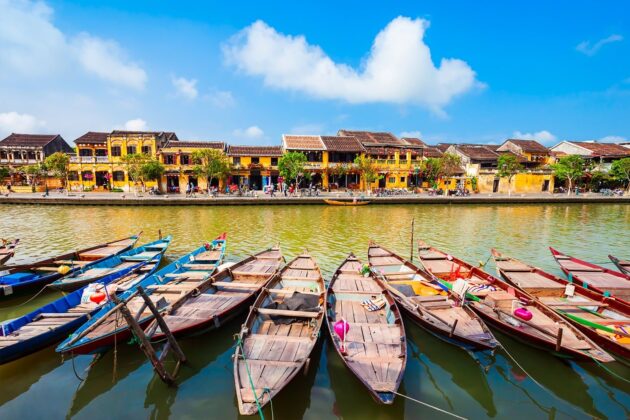
Hoi An is a UNESCO World Heritage Site renowned for its beautifully preserved ancient town, colorful silk lanterns, historic trading-port architecture, and charming riverside vibe. Once a bustling 15th–19th century port, it now offers a magical mix of cultural heritage, delicious local cuisine, tailoring shops, and nearby beaches and countryside.
My Khe Beach
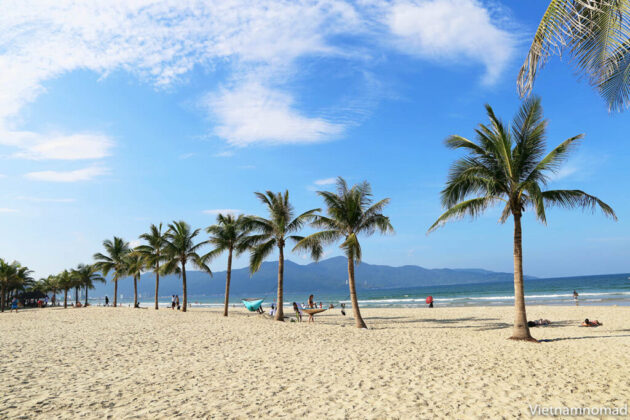
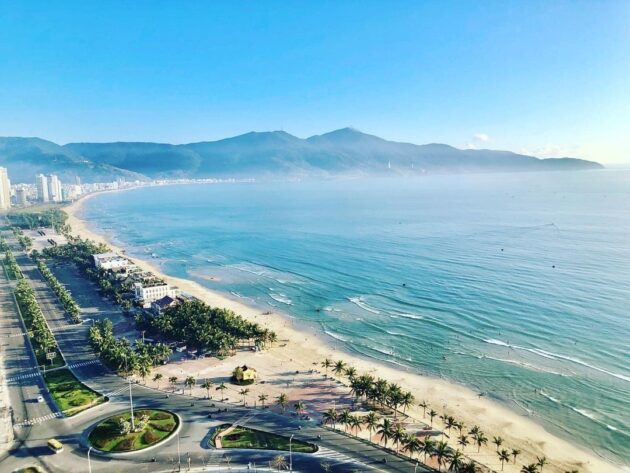
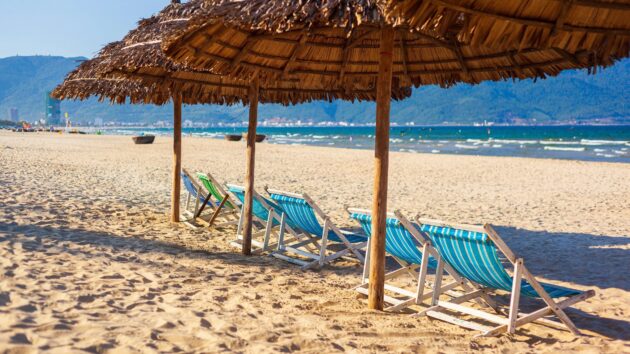
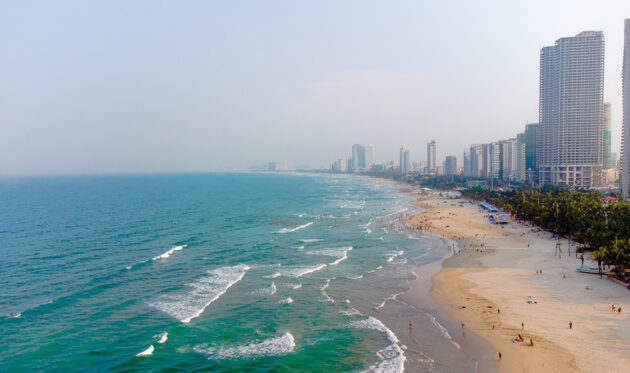
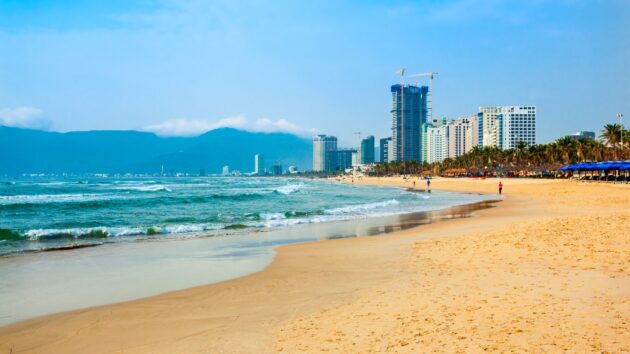
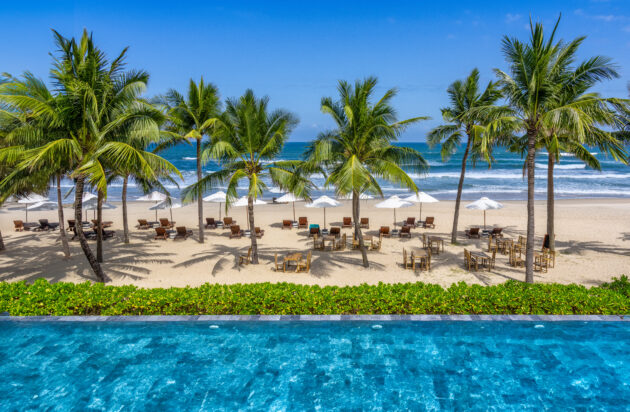
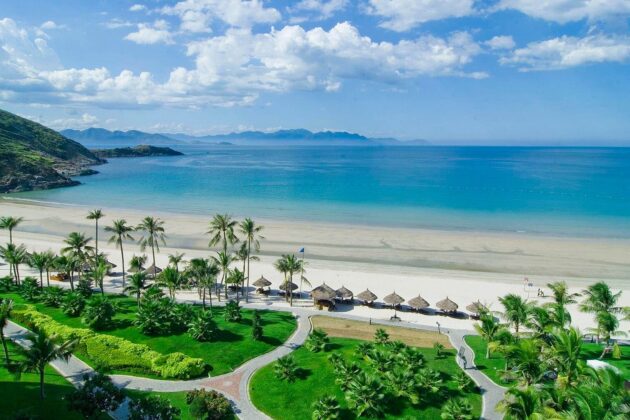
My Khe Beach (Bãi Mỹ Khê) in Da Nang, Vietnam, is one of the country’s most famous and accessible urban beaches. It boasts soft white (or golden) sand, calm turquoise waters with gentle waves, and a long stretch ideal for swimming, walking, and relaxation. Often ranked among Asia’s top beaches, it’s conveniently located right next to Da Nang city center, making it easy to combine beach time with city vibes, nearby attractions, and great food.
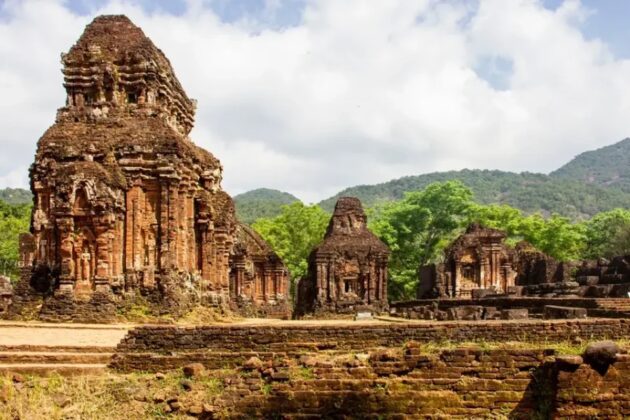
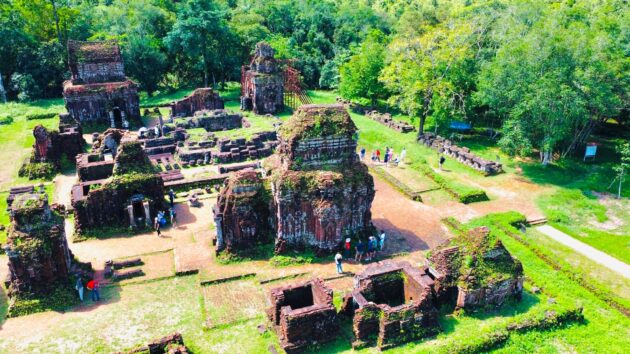
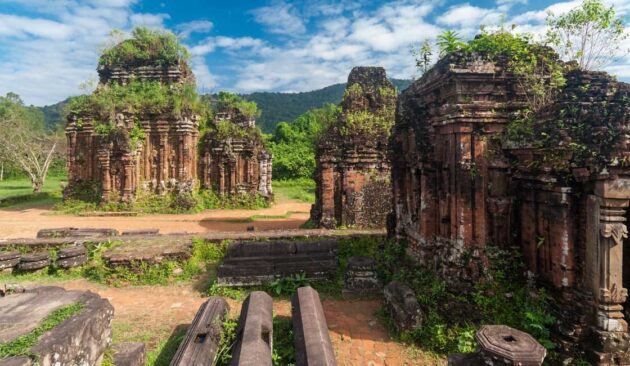
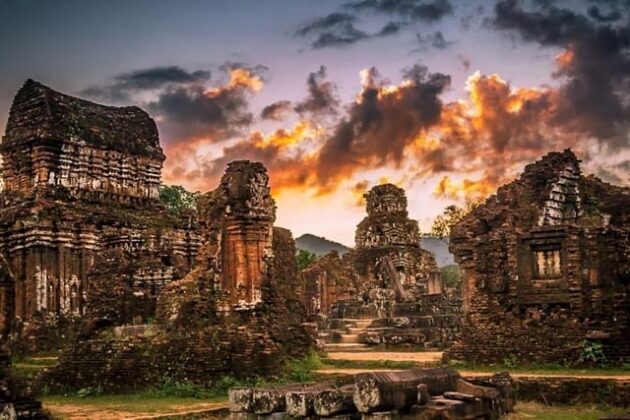
My Son Sanctuary
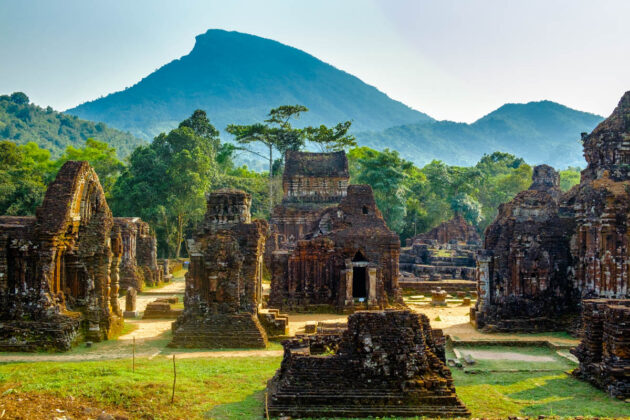
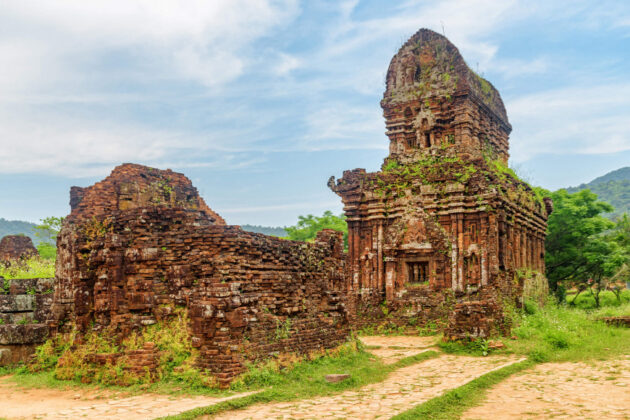
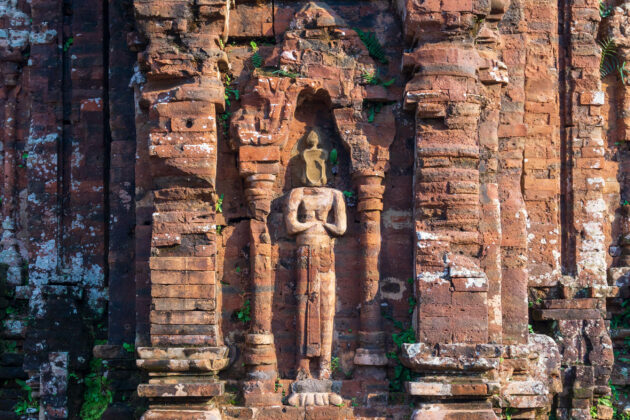
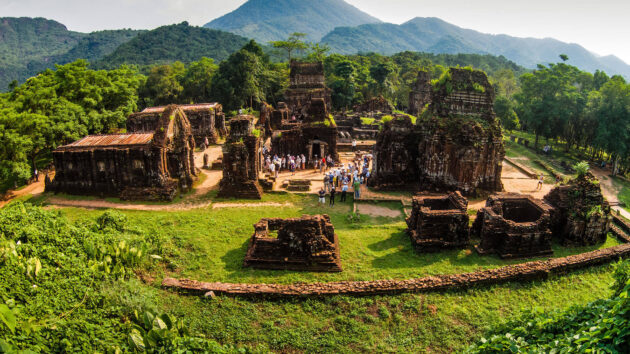
My Son Sanctuary (Mỹ Sơn) is a UNESCO World Heritage Site and one of Vietnam’s most important archaeological treasures. It features ancient Hindu temple ruins built by the Champa Kingdom between the 4th and 13th centuries. Located in a scenic valley surrounded by mountains and jungle in Duy Xuyen District, Quang Nam Province, it’s an easy half-day trip from Da Nang or Hoi An.
Mekong Delta
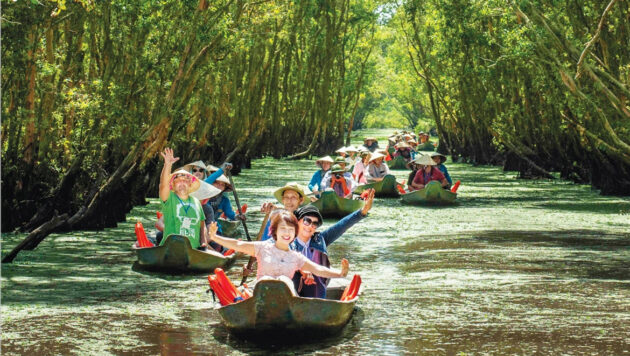
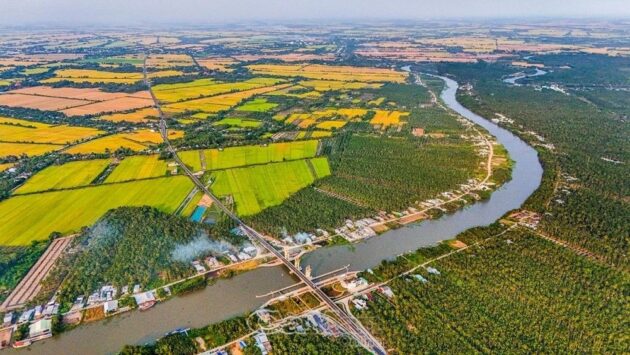
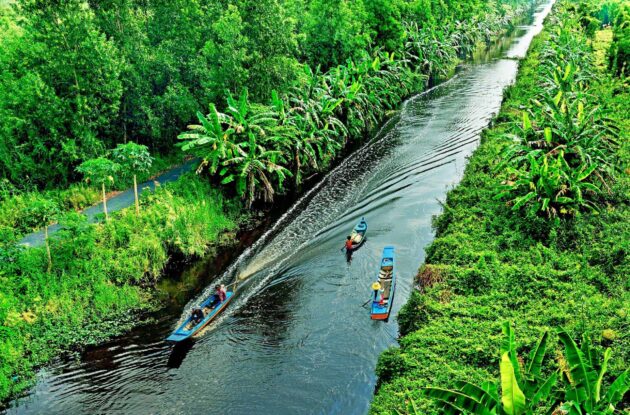
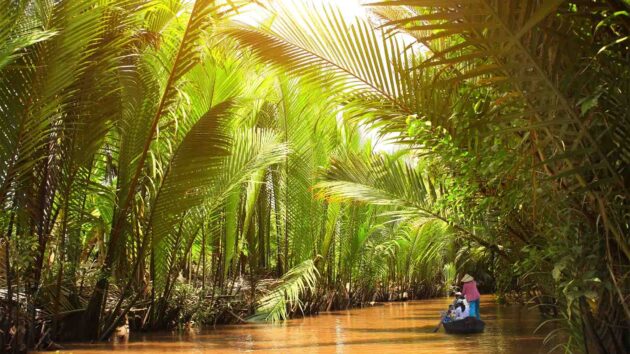
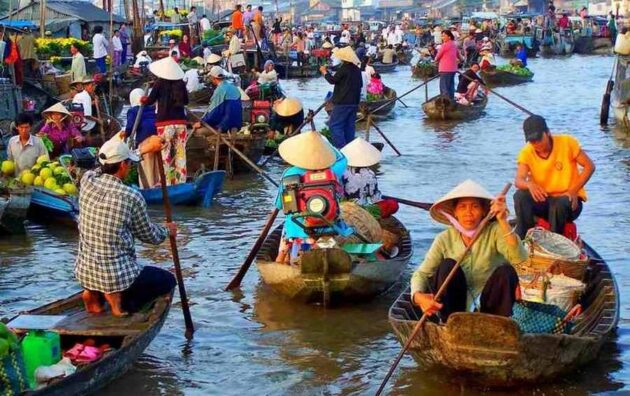
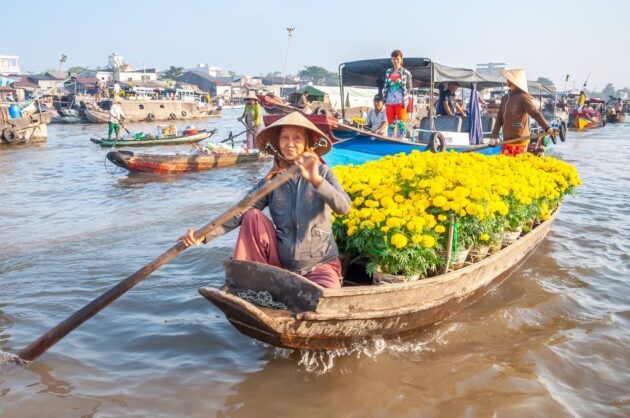
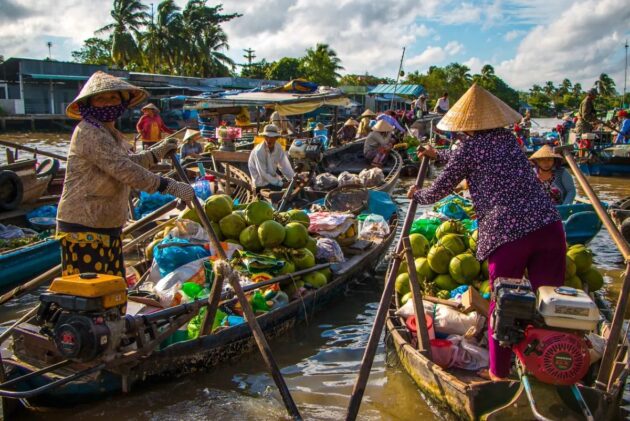
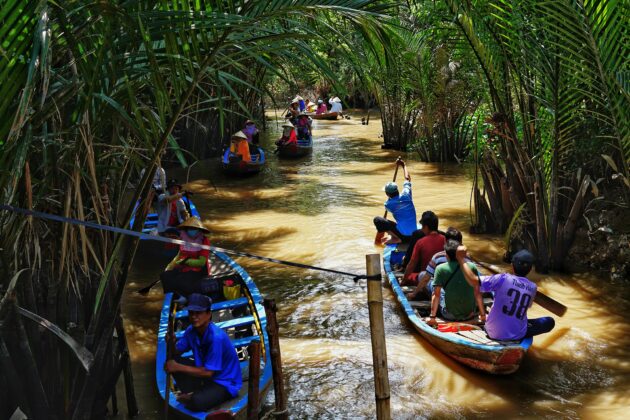
The Mekong Delta (known locally as Đồng Bằng Sông Cửu Long or “Nine Dragon River Delta”) is Vietnam’s fertile southwestern region, often called the country’s “rice bowl.” It spans over 40,000 km² across 13 provinces, featuring a vast network of rivers, canals, rice paddies, fruit orchards, mangrove forests, and vibrant floating markets.
Phu Quoc
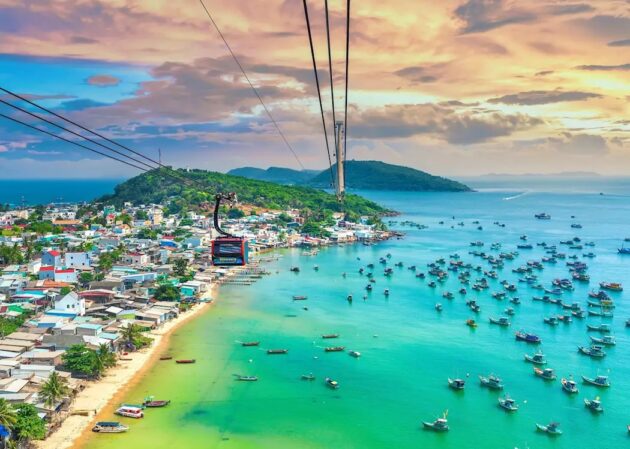
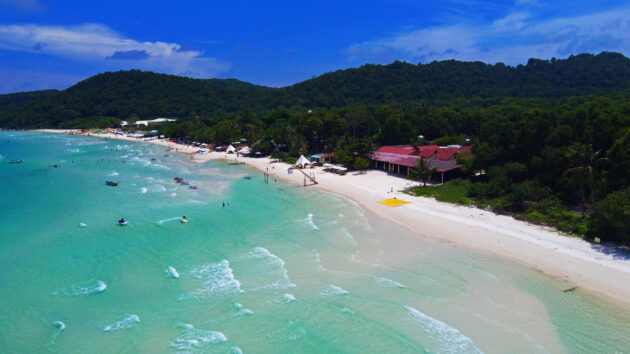
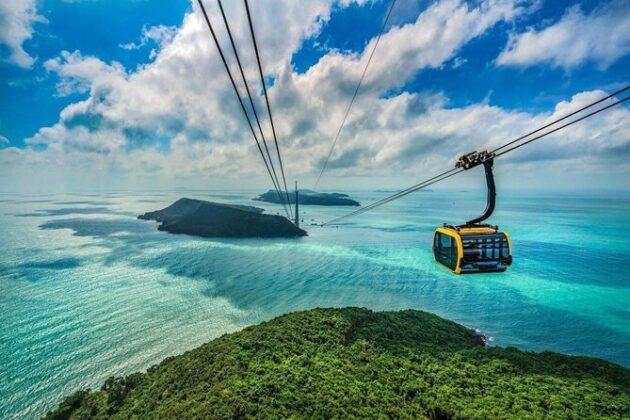
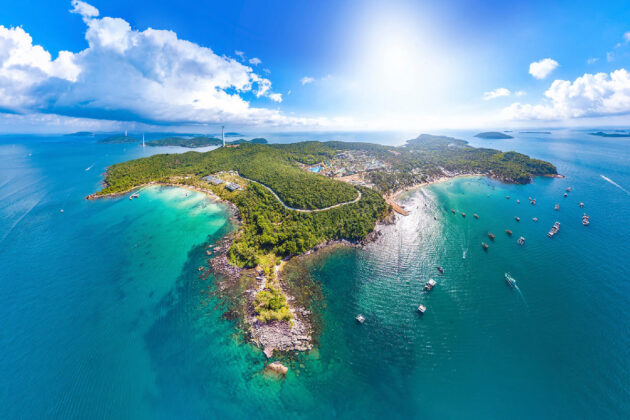
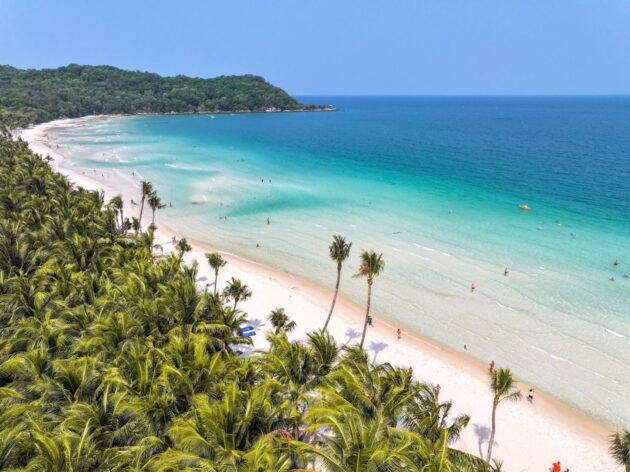
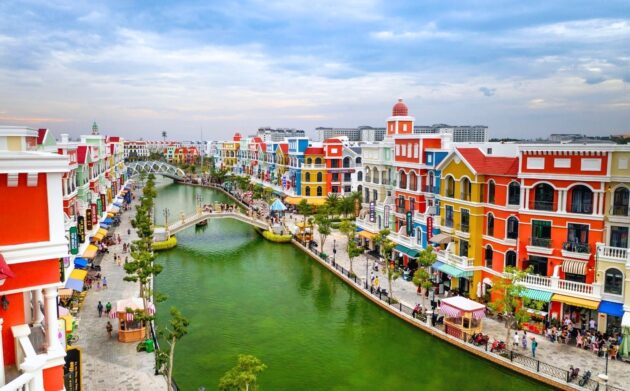
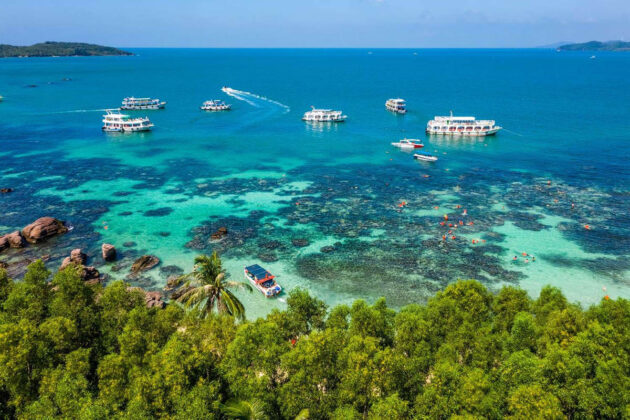
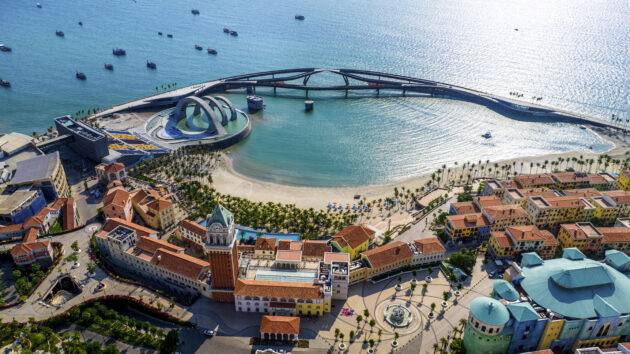
Phu Quoc (Phú Quốc), Vietnam’s largest island in the Gulf of Thailand, is a tropical paradise known for its white-sand beaches, crystal-clear turquoise waters, lush rainforests, and relaxed vibe. Often called the “Pearl Island,” it offers a mix of pristine nature, water activities, and growing resort infrastructure while remaining more laid-back than places like Phuket or Bali.
Phong Nha-Ke Bang National Park
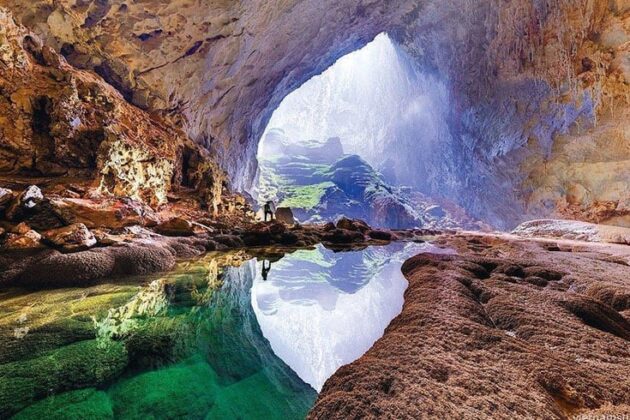
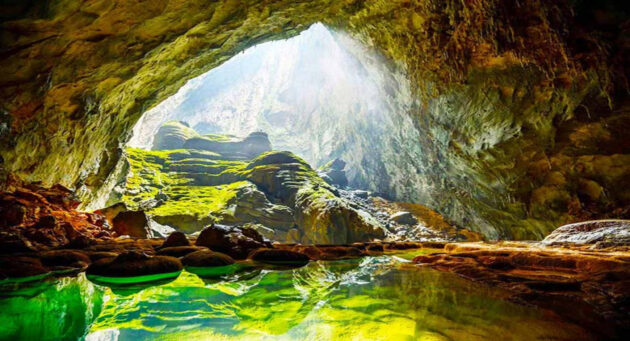
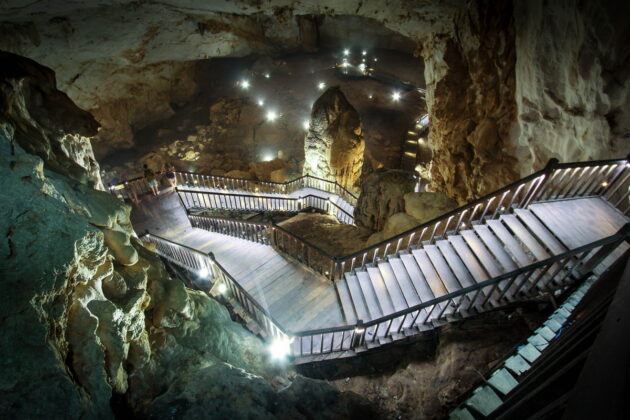
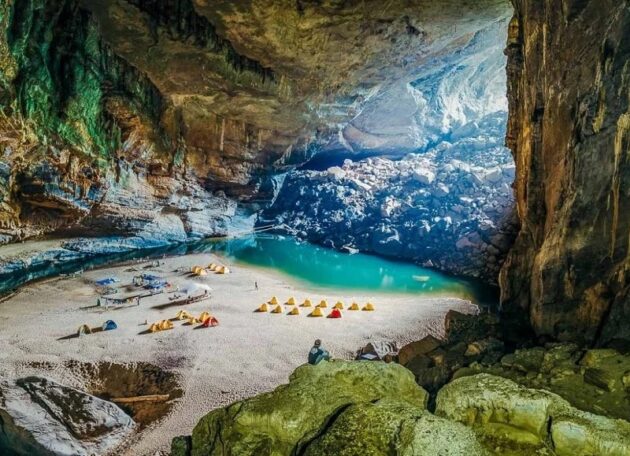
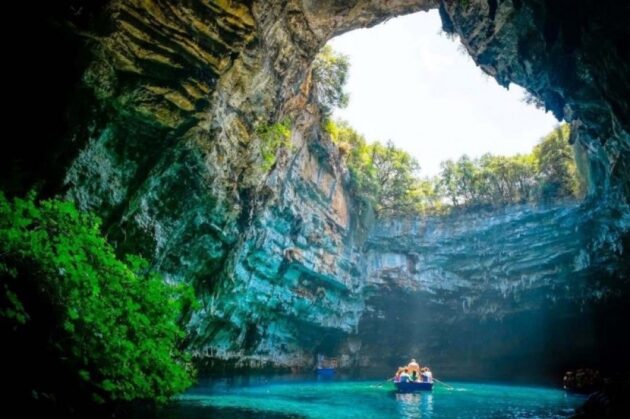
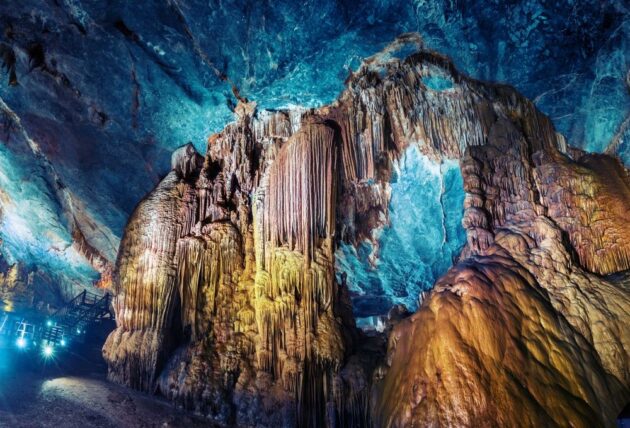
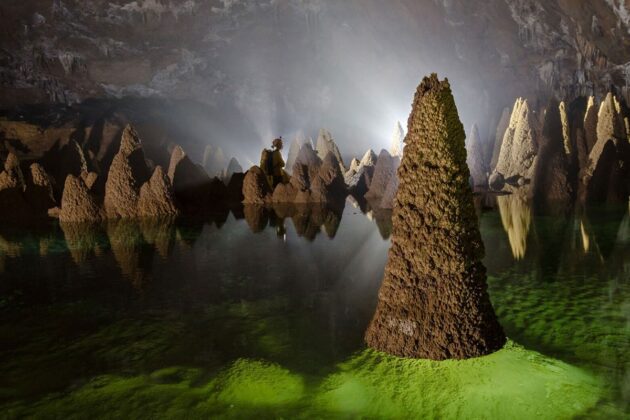
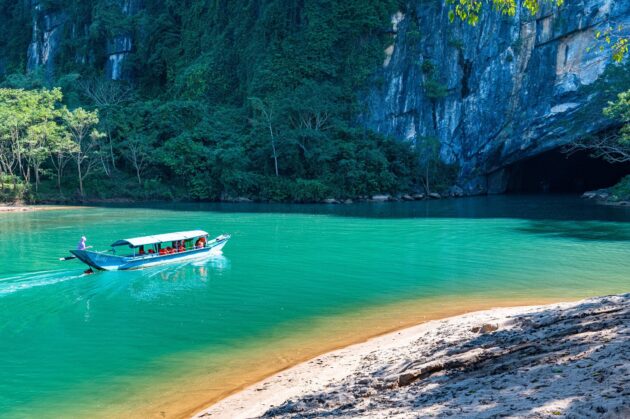
Phong Nha-Ke Bang National Park in Quang Binh Province, central Vietnam, is a UNESCO World Heritage Site renowned for its spectacular limestone karst landscape, one of the oldest and most complex in Southeast Asia, and an extensive cave system—home to some of the world’s largest caves.
Ban Gioc Waterfall
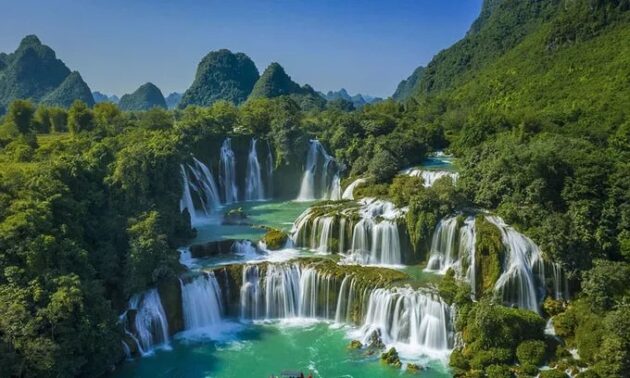
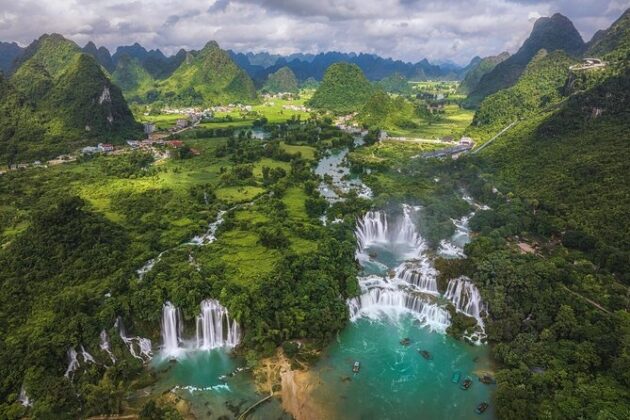
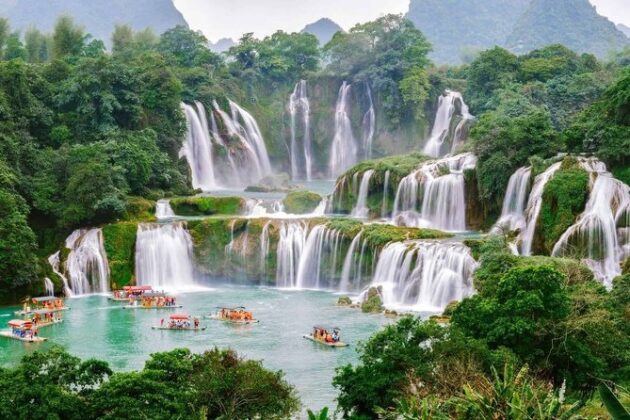
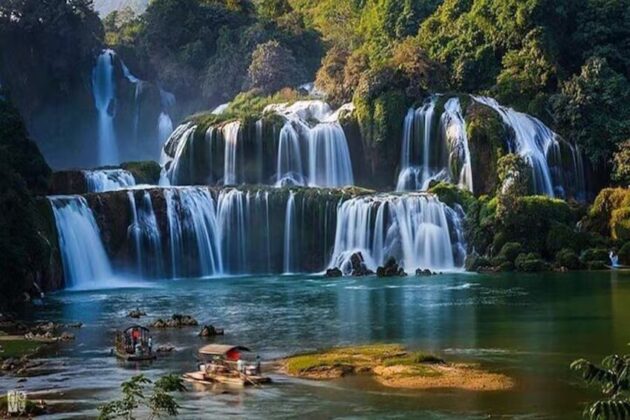
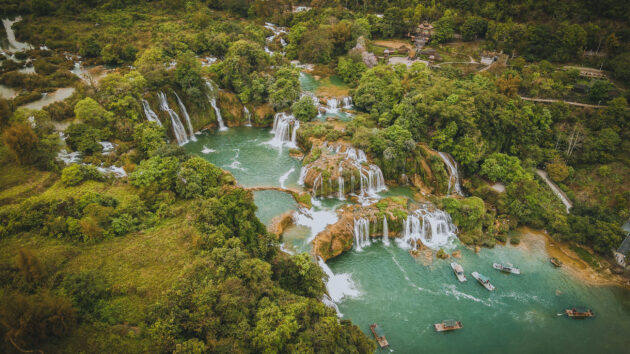
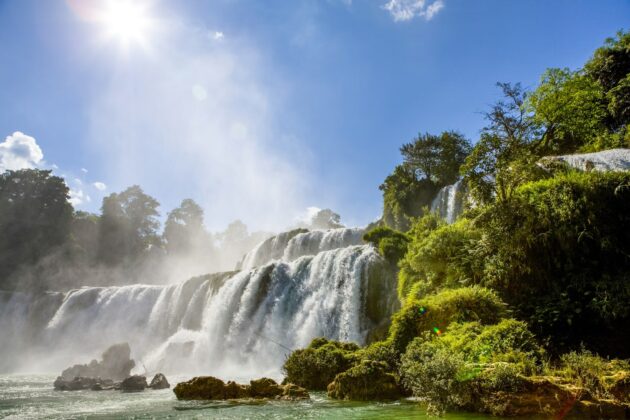
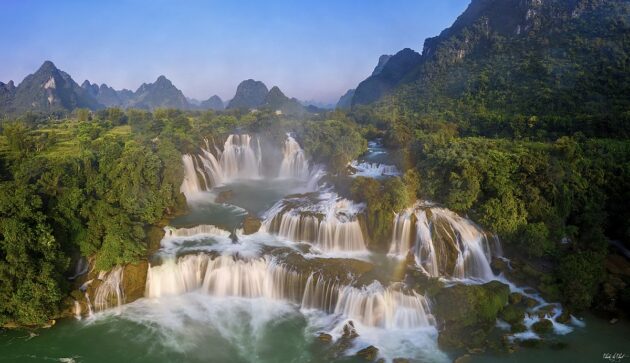
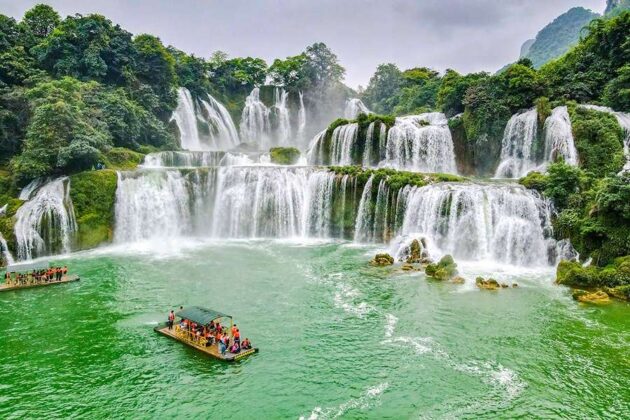
Ban Gioc Waterfall (Thác Bản Giốc), also known as Detian Falls on the Chinese side, is one of Vietnam’s most spectacular natural attractions. It ranks as the widest waterfall in the country (around 300 meters across) and one of the largest transnational waterfalls in the world (fourth-largest border waterfall globally).
Getting There and Around
Flights: Major international airports in Hanoi (HAN), Ho Chi Minh City (SGN), and Da Nang (DAD). Internal flights via Vietnam Airlines, VietJet, or Bamboo Airways are cheap and fast.
Domestic travel: Trains: Scenic but slower (e.g., overnight Hanoi to Hue or Saigon). Comfortable sleeper options available. Buses/Sleeper buses: Affordable for longer distances; use reputable companies. Ride-hailing: Grab app is essential for taxis/motorbikes (safer and cheaper than street hails). Motorbike rental or tours: Common but requires caution due to chaotic traffic—only if experienced. Domestic flights: Best for covering the country’s length quickly.
Roads are busy and driving standards can be unpredictable—use official taxis like Mai Linh or Vinasun to avoid scams.
Food and Drink
Vietnamese cuisine is a highlight: fresh, flavorful, and diverse by region. Must-tries include pho (noodle soup), banh mi (baguette sandwich), banh xeo (savory crepe), fresh spring rolls, and regional specialties like cao lau in Hoi An or bun cha in Hanoi. Street food is abundant and delicious.
Safety tips: Stick to busy stalls where food is cooked fresh and hot in front of you. Drink bottled water (avoid ice if concerned). Wash hands frequently. Most travelers eat street food without issues if they use common sense—busy = better turnover and freshness.
Costs (Estimates)
Vietnam remains very budget-friendly:
Budget traveler: $20–45 per day (hostels ~$5–15/night, street meals $1–5, local transport).
Mid-range: $45–95 per day (comfortable hotels, some tours, nicer meals, occasional flights).
Luxury: Higher for private tours, cruises, and resorts.
A 2-week trip might cost $600–1,500+ per person excluding international flights, depending on style. Prices are rising slightly in tourist areas but remain low compared to many destinations.
Practical Tips and Safety
Health: No special vaccines required beyond routine ones; consider hepatitis A and typhoid. Use mosquito repellent (dengue risk in some areas). Pharmacies are widespread.
Safety: Exercise normal precautions. Bag snatching on motorbikes occurs in cities—keep valuables secure. Traffic is the biggest hazard; look both ways and cross with locals. Use reputable operators for tours/cruises.
Money: ATMs widespread; carry some cash (VND) for small vendors. Cards accepted in tourist spots.
Language: English is common in tourist areas; a translation app helps elsewhere. Learn basic phrases like “xin chào” (hello) and “cảm ơn” (thank you).
Etiquette: Dress modestly at temples/pagodas (cover shoulders/knees). Remove shoes indoors when asked. Bargain politely at markets.
Connectivity: Buy a local SIM or eSIM on arrival for data/Grab app.
Sustainability: Support eco-friendly tours, avoid single-use plastics, and choose responsible cruise operators on Ha Long Bay.
Final Thoughts
Vietnam is generally welcoming and safe for solo travelers, couples, and families. Start planning with a rough north-to-south route, book key experiences (like Ha Long cruises or trains) in advance during peak season, and leave flexibility for spontaneous street food stops and detours.
For the latest official info, check vietnam.travel or your government’s travel advisory. Safe travels—Vietnam’s mix of chaos, beauty, and warmth is unforgettable! If you have specifics (budget, duration, interests like beaches vs. trekking), I can refine this further.